
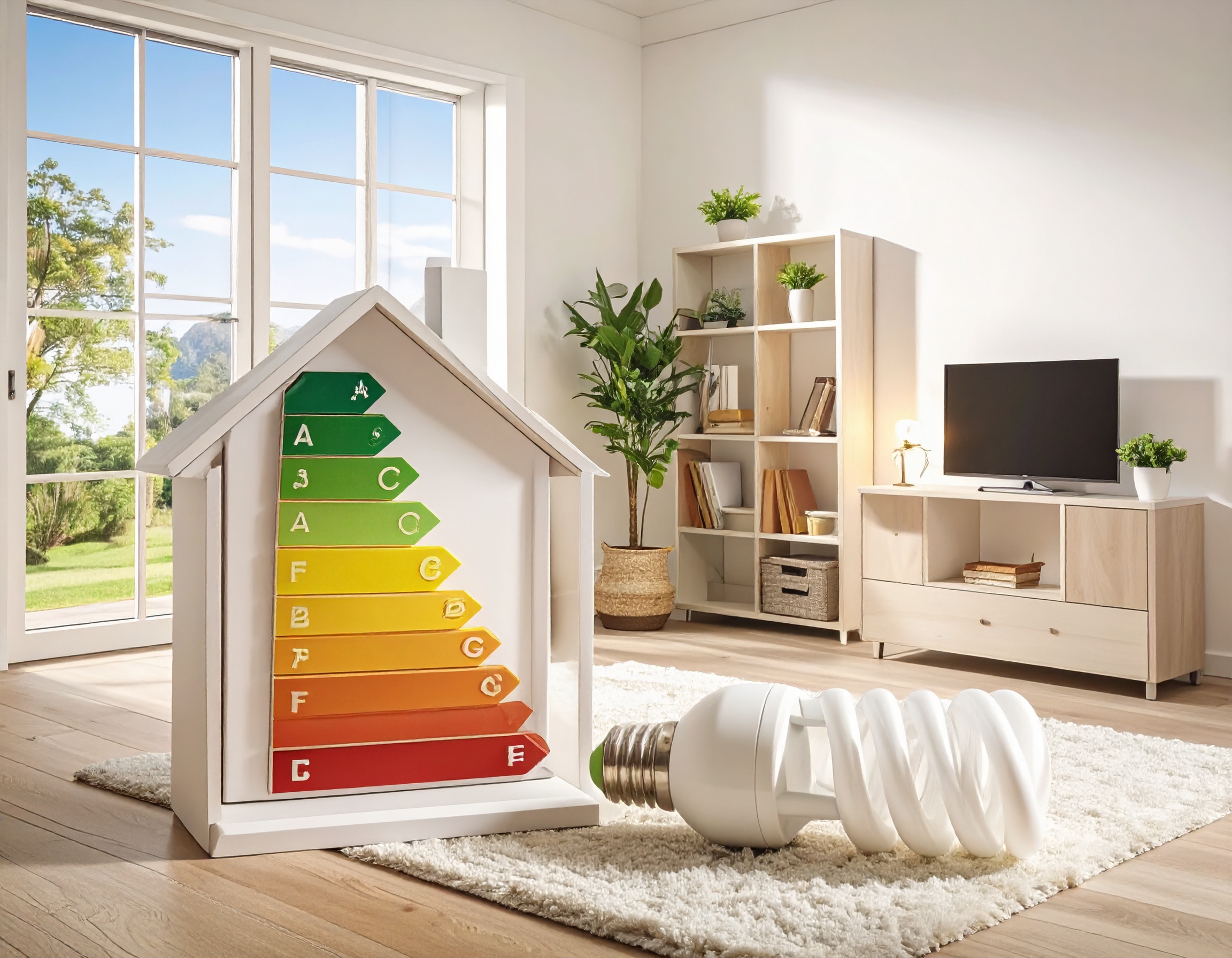
8 Amazing Ways to Track Your Energy in Real Time
8 Amazing Ways to Track Your Energy in Real Time.
As Australian households continue to embrace modern technology, energy tracking has become more important than ever. Rising electricity costs and the push toward sustainability mean homeowners are looking for smarter ways to monitor and manage their power use. Fortunately, there are now plenty of tools and systems available that allow you to track energy in real time, giving you more control over your home and helping you make decisions that save money and reduce your environmental footprint.
Here are 8 amazing ways to track your energy in real time—explained in detail so you can decide what’s right for your home.
1. Smart Energy Meters
In many parts of Australia, electricity providers have rolled out smart meters that replace traditional analogue ones. Unlike old meters that require manual readings, smart meters send real-time data directly to your energy provider and can also be accessed by homeowners.
With a smart meter, you can log into your energy retailer’s app or online portal and see exactly how much power your household is using by the hour, day, or month. This allows you to identify spikes in usage, understand which times of day cost more, and even set alerts when your consumption goes above average. For busy Australian families, this kind of visibility is a game-changer—it means no more nasty bill surprises.
2. In-Home Energy Displays (IHDs)
Some smart meters pair with an in-home display device, a small screen that sits on your counter or wall. It shows live information about how much electricity you’re using, how much it costs, and sometimes even your carbon footprint.
The benefit of having an IHD is immediacy—you flick on the air conditioner, and you can instantly see how much your consumption jumps. This creates awareness for everyone in the household, including kids, and makes it easier to form energy-saving habits. It’s like having a speedometer for your power use right in the living room.
3. Smart Plugs and Socket Monitors
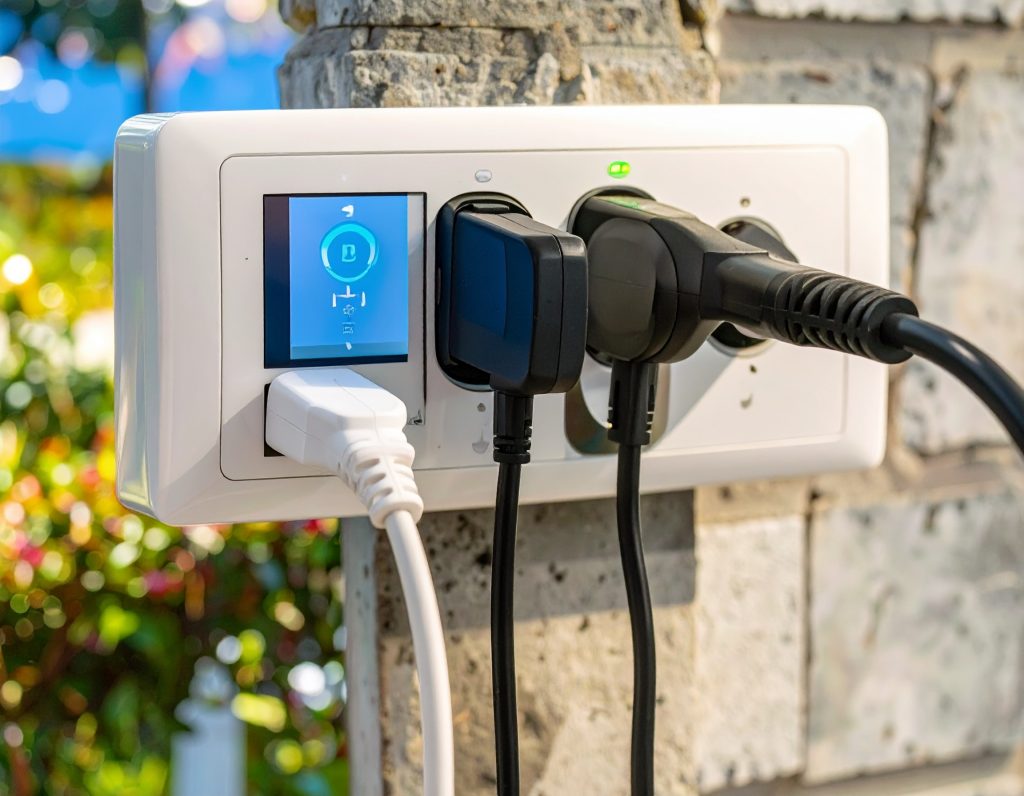
If you’ve ever wondered which appliances are secretly chewing through electricity, smart plugs are the answer. These Wi-Fi-enabled plugs fit into your regular outlets and allow you to monitor the energy usage of whatever device you connect.
From your phone, you can track how much electricity your TV, computer, or kitchen appliances use in real time. Even better, most smart plugs let you schedule on/off times, so you can automatically shut off devices at night or when no one is home. For Australian households with high standby power consumption, smart plugs can lead to significant savings while also giving you better insights into your energy habits.
4. Solar Monitoring Systems
With more than 3 million Australian homes already using rooftop solar, monitoring your solar production and usage in real time is essential. Solar monitoring systems track how much energy your panels are generating, how much you’re exporting back to the grid, and how much of your own solar energy you’re actually using.
These systems often connect to an app that shows you live graphs of your energy flow. This means you can shift big electricity tasks—like running the washing machine or charging an EV—into the middle of the day when your solar panels are at their peak. By doing this, you reduce reliance on grid electricity and make the most of your investment.
5. Energy Tracking Apps from Retailers
Most major energy retailers in Australia now offer mobile apps that let you view your usage data in near real time. These apps are typically free and are updated directly from your smart meter.
For example, you can see your daily usage patterns, compare current consumption with previous months, and even receive tips personalized to your household. Some apps also allow you to track energy costs against your budget, giving you more control over how and when you use power.
6. Home Energy Management Systems (HEMS)
A HEMS is like a central brain for your home’s electricity. These systems integrate with your smart meter, solar panels, batteries, and even smart appliances to provide a complete overview of your energy flow.
With a HEMS, you can monitor energy in real time, set preferences for when appliances run, and even prioritise renewable power over grid usage. For households that have solar and battery storage, a HEMS is invaluable—it helps you maximise self-consumption, reduce peak demand charges, and automate energy use for efficiency. While these systems may require a larger upfront investment, they’re perfect for homeowners who want total control and long-term savings.
7. Smart Appliances
More and more household appliances in Australia are now “smart”—meaning they can connect to Wi-Fi and provide live data about their energy usage. From air conditioners to refrigerators and washing machines, many brands now include apps that allow you to track performance and energy demand in real time.
This is particularly useful for identifying which appliances are your biggest energy users. For example, if you notice your old fridge is drawing far more power than expected, you can make an informed decision about upgrading to a more efficient model. Smart appliances not only make life easier but also give homeowners the data they need to cut waste and reduce costs.
8. Real-Time Energy Dashboards
For tech-savvy Australians, setting up a real-time energy dashboard can take tracking to the next level. Using a combination of sensors, smart plugs, and software, you can create a customized dashboard (accessible on your phone or computer) that shows a live breakdown of your household’s energy use.
This dashboard can include total consumption, solar production, battery storage, and even specific appliance usage. The visualisation makes it easy to spot unusual spikes—like when a faulty device starts consuming excess power—and quickly address the issue. Some homeowners even display their dashboard on a wall-mounted tablet so the whole family can see and participate in energy saving.
Why Real-Time Tracking Matters for Australian Homes
The biggest benefit of tracking your energy in real time is awareness. When you can actually see where your electricity is going, you’re more likely to change habits and make smarter choices. In Australia, where electricity prices can fluctuate and summer heat waves put extra demand on the grid, having this visibility can help households stay on top of bills and reduce unnecessary strain on the system.
It also makes it easier to transition toward a more sustainable lifestyle. By pairing real-time tracking with solar, batteries, or smart automation, you can dramatically reduce your reliance on the grid while enjoying peace of mind that your home is running efficiently.
Final Thoughts
From smart plugs to solar monitoring and advanced home management systems, Australians have more options than ever to track and control their household energy use in real time. Each tool offers a different level of insight, but all share the same purpose: giving you the knowledge to save money, cut waste, and make your home more sustainable.
By choosing the methods that best suit your household, you’ll not only reduce your power bills but also enjoy the satisfaction of running a smarter, more energy-efficient home. And in today’s world, that’s a win for both your wallet and the planet. Reach out to Spectra Electrical today, if you are in need of any electrical and energy upgrades.