
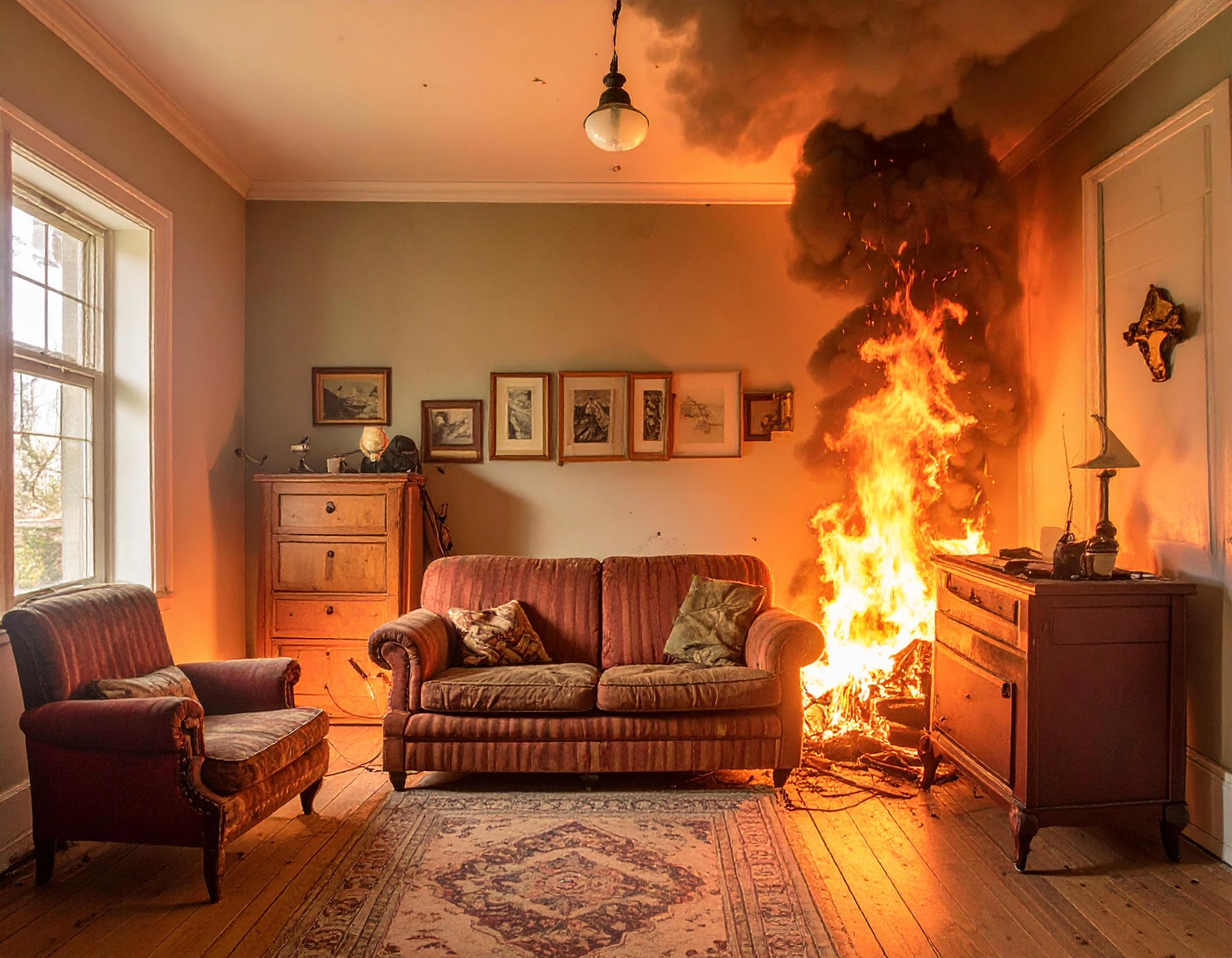
9 Positive Ways to Reduce Fire Risks in Older Homes
Older homes have charm, character, and history — but they also come with electrical systems that may not match today’s safety standards. Many Australian properties built before the 1980s still contain outdated wiring, old switchboards, ageing appliances, and installations that were never designed for the modern electrical load we use daily. While this doesn’t mean older homes are unsafe, it does mean proactive fire-prevention steps are essential. Here are 9 positive ways to reduce fire risks in older homes — and keep your space safe, modern, and worry-free.
1. Upgrade Old or Faulty Wiring
One of the biggest fire risks in older homes is outdated wiring. Many properties still contain:
- Cloth-insulated wiring
- VIR wiring (Vulcanised Indian Rubber)
- Aluminium wiring
- Brittle or cracked insulation
These materials deteriorate over time, increasing the chance of overheating, arcing, and sparking — all leading causes of electrical fires.
A professional rewiring upgrades your home to modern PVC-insulated cables, improving safety, performance, and long-term energy efficiency. This alone dramatically reduces fire risk.
2. Modernise Your Switchboard
Switchboards from decades past were not built to handle air conditioners, smart appliances, and high-power devices. Many older boards contain:
- Ceramic fuses
- No RCD (safety switch) protection
- Overloaded circuits
Modern switchboards include circuit breakers, RCDs, surge protection, and better load management. These features detect faults instantly and cut power before a fire can start.
A switchboard upgrade is one of the most positive investments a homeowner can make.
3. Install Safety Switches (RCDs) on Every Circuit
Safety switches are life-saving devices that protect against electric shock and electrical fires. Most older homes either lack RCDs or only have one installed.
Today’s electrical standards recommend one RCD per circuit, including:
- Power circuits
- Lighting circuits
- Appliance circuits
- Outdoor circuits
This ensures faults are isolated immediately, stopping overheating and preventing electrical fires before they ignite.
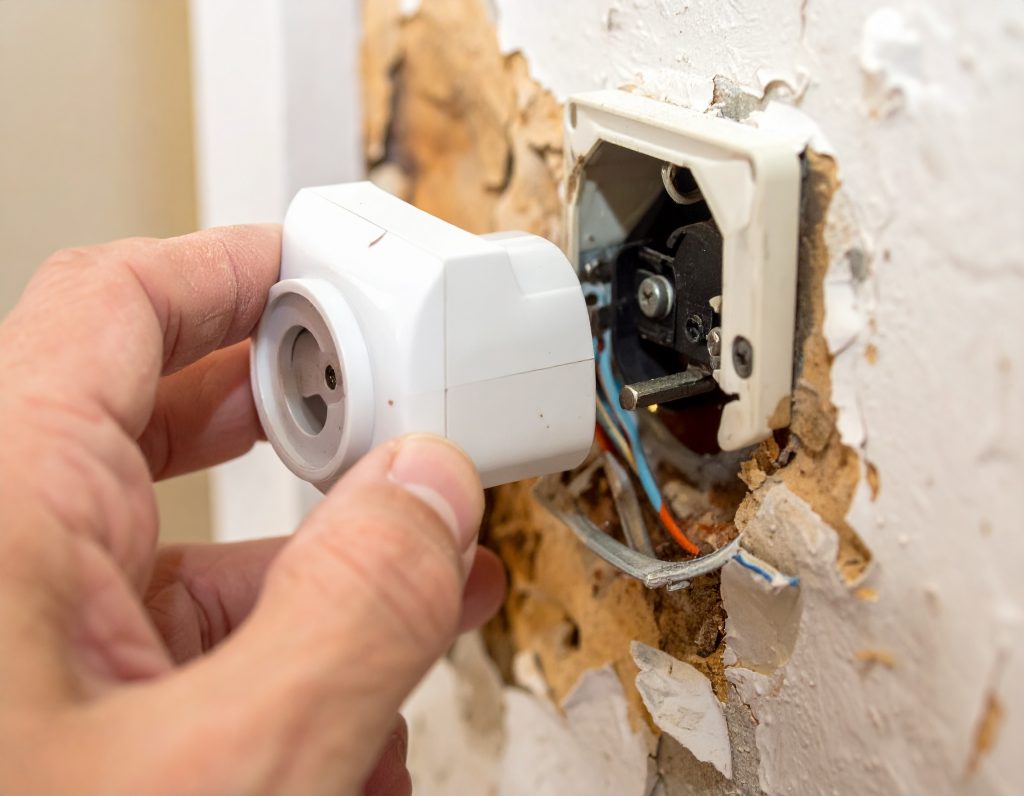
4. Replace Old or Damaged Power Points and Light Switches
Over time, outlets and switches wear out. Loose contacts, discolouration, cracking, and warm surfaces are warning signs of a fire risk.
Replacing old outlets with modern, safe, and properly earthed fittings is a simple upgrade that reduces hazards. Many homeowners also upgrade to power points with:
- Built-in USB
- Touch-safe shutters
- Surge protection
This improves both safety and convenience.
5. Avoid Overloading Circuits
Older homes often have fewer circuits than modern ones, meaning the load is shared across fewer electrical paths. This results in:
- Breakers tripping
- Fuses blowing
- Outlets overheating
Running too many high-power appliances on the same circuit can cause wires behind the wall to overheat — a major fire risk.
Simple fixes include:
- Spreading appliances across circuits
- Using fewer power boards
- Adding dedicated circuits for large appliances
- Getting a load assessment from a licensed electrician
Better load management = safer home.
6. Inspect and Upgrade Older Appliances
Vintage homes often include vintage appliances — heaters, lamps, fans, toasters, or ovens with worn wiring and loose internal components. These appliances can spark, overheat, or short out.
A quick inspection can determine whether your appliances are safe or need replacement. Modern appliances are more energy-efficient, safer, and contain thermal protection features older models do not.
7. Install Smoke Alarms in Every Key Area
While smoke alarms don’t prevent electrical fires, they provide life-saving early detection. In older homes, placement and age of alarms is a major issue:
- Alarms must be replaced every 10 years
- Batteries should be changed yearly
- Alarms should be located in hallways, bedrooms, and living areas
Upgrading to hardwired, interconnected smoke alarms ensures that if one alarm activates, they all sound together — providing crucial extra time to escape.
Many Australian states now recommend or require interconnected alarms for improved safety.
8. Add Surge Protection to Your Home
Power surges — especially common during summer storms — can cause wiring, outlets, and appliances to overheat. Older homes are particularly vulnerable due to:
- Weaker insulation
- Ageing switchboards
- Older electrical components
Installing surge protection:
- Extends the life of appliances
- Reduces voltage spikes
- Prevents fires caused by electrical surges
You can install whole-home surge protection at the switchboard, or use safe surge-protected power boards for smaller devices.
9. Book a Professional Electrical Safety Inspection
One of the most positive and proactive steps you can take is a professional inspection, especially if your home is more than 30 years old. During an inspection, a licensed electrician will check for:
- Faulty wiring
- Overheating circuits
- Switchboard defects
- Unsafe power points
- Hidden electrical damage
- Overloaded circuits
- Non-compliant installations
This provides a clear picture of your home’s electrical health and helps prioritise upgrades before issues become dangerous.
Electrical inspections help homeowners:
- Prevent fires
- Reduce breakdowns
- Improve energy efficiency
- Increase property value
- Gain peace of mind
Final Thoughts
Older homes deserve care — and electrical fire safety is one of the most important ways to protect your family, your property, and your peace of mind. By upgrading wiring, modernising switchboards, installing RCDs, managing electrical load, and conducting regular inspections, you can significantly reduce fire risks.
If your home is aging or you’re unsure about its electrical safety, Spectra Electrical can help. Our licensed and Level 2 Accredited electricians specialise in keeping older properties safe, compliant, and future-ready.