
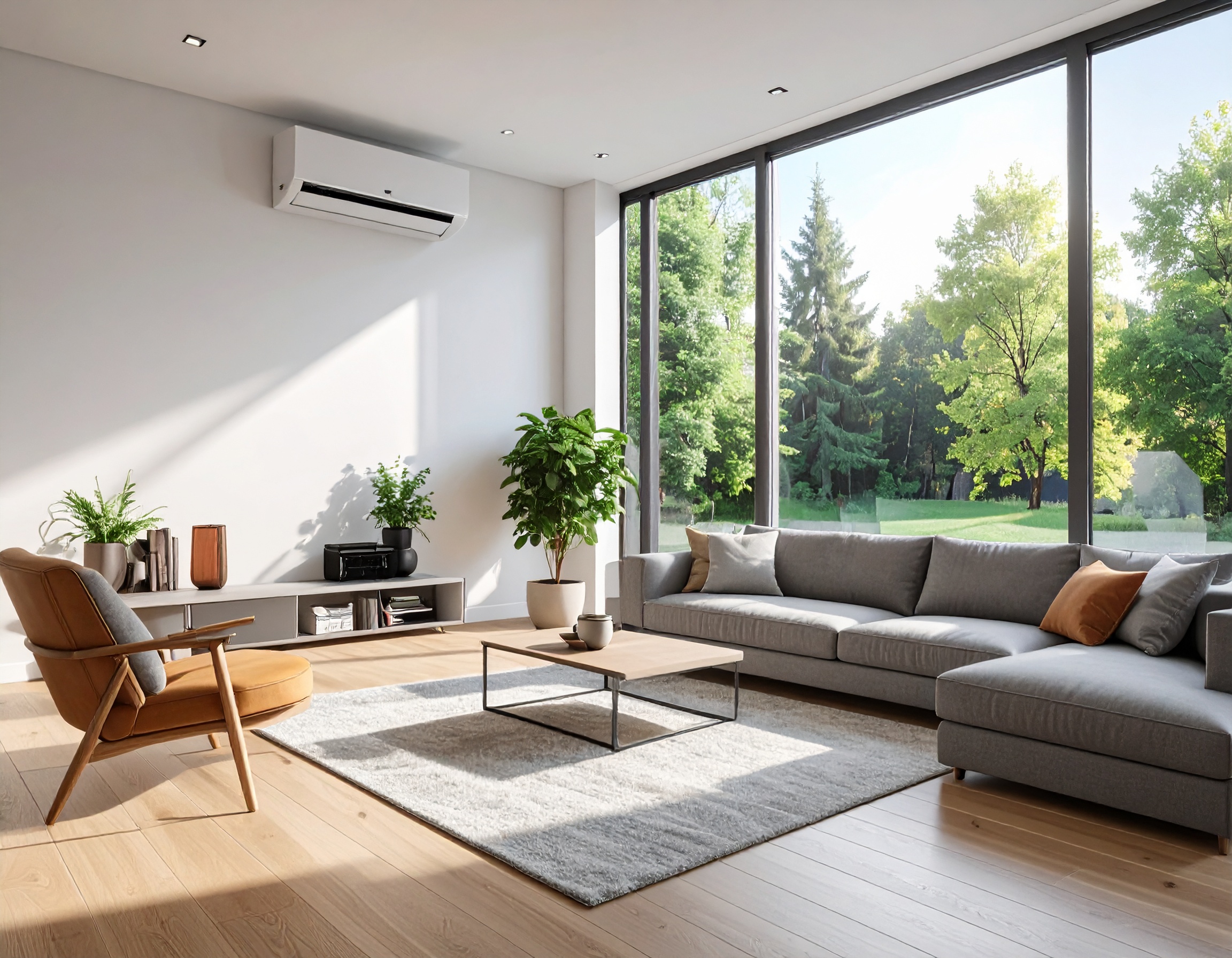
13 High-Impact Strategies to Save on Cooling Costs
As temperatures rise, cooling costs can quickly become one of the biggest contributors to household energy bills. In Australia, air conditioning and cooling systems work harder than almost any other appliance during warmer months, and without the right strategies in place, that demand can place unnecessary strain on both your wallet and your home’s electrical system.
The good news is that reducing cooling costs doesn’t mean sacrificing comfort. With the right combination of smart habits, electrical upgrades, and system optimization, you can keep your home cool while significantly lowering energy usage.
Below are 13 high-impact strategies to save on cooling costs that can help you take control, while maintaining a comfortable, energy-efficient home.
1. Optimise Your Thermostat Settings
One of the simplest yet most effective strategies is setting your thermostat correctly. Even small temperature adjustments can result in noticeable savings. Cooling systems don’t need to work as hard when the set temperature is reasonable, and consistent settings prevent unnecessary energy spikes caused by constant changes.
Maintaining a steady indoor temperature improves efficiency and reduces wear on your cooling system over time.
2. Use Ceiling Fans to Support Cooling
Ceiling fans don’t cool the air itself, but they create airflow that helps your body feel cooler. This allows you to rely less on air conditioning or run it at a higher temperature without discomfort. Fans consume a fraction of the electricity used by air conditioners, making them a highly cost-effective support tool.
Used together, fans and air conditioning can dramatically reduce overall cooling demand.
3. Keep Doors and Windows Sealed
Cool air escaping through gaps around doors and windows forces your cooling system to work overtime. Even small air leaks can result in significant energy loss during hot weather.
Sealing these gaps improves temperature stability, reduces cooling cycles, and prevents warm air from entering the home. This simple improvement has an immediate impact on energy efficiency.
4. Block Out Direct Sunlight
Direct sunlight streaming through windows can rapidly increase indoor temperatures. Using blinds, curtains, or reflective window treatments during peak heat hours helps prevent heat from entering the home.
By limiting solar heat gain, your cooling system doesn’t need to compensate as aggressively, reducing both energy use and system strain.
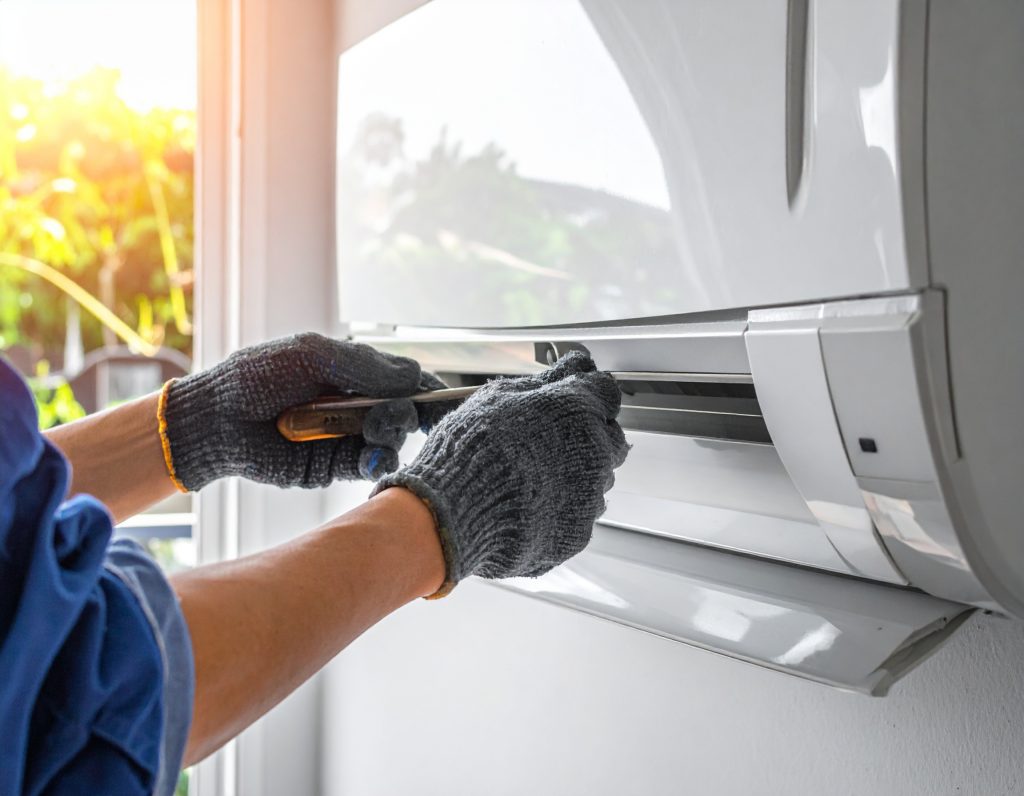
5. Maintain Your Cooling System Regularly
A poorly maintained air conditioning system can consume far more energy than necessary. Dusty filters, blocked vents, and aging components reduce airflow and efficiency, forcing the system to run longer.
Routine maintenance ensures optimal performance, improves airflow, and extends the lifespan of your cooling equipment — all while lowering energy consumption.
6. Upgrade to Energy-Efficient Cooling Equipment
Older cooling systems often lack the efficiency of modern models. Advances in technology have produced air conditioners that cool faster, use less power, and regulate temperatures more accurately.
Upgrading to energy-efficient systems can significantly reduce electricity usage, especially during extended periods of high demand.
7. Improve Insulation Throughout the Home
Insulation plays a critical role in maintaining indoor temperatures. Without it, cool air escapes and heat seeps in, making cooling systems far less effective.
Well-insulated ceilings, walls, and floors help retain cool air longer, reducing how often cooling systems need to cycle on and off.
8. Reduce Internal Heat Sources
Appliances, lighting, and electronics generate heat during operation. Minimising their use during the hottest parts of the day can help keep indoor temperatures lower.
Switching to energy-efficient lighting and being mindful of appliance usage reduces heat buildup and eases the load on cooling systems.
9. Use Zoning or Smart Controls
Zoning systems and smart thermostats allow you to cool only the areas of your home that are in use. This prevents wasted energy in unoccupied rooms and gives you more precise control over temperature settings.
Smart controls can also adjust cooling automatically based on usage patterns, reducing unnecessary energy use without compromising comfort.
10. Schedule Cooling for Off-Peak Periods
Running cooling systems during off-peak times reduces strain on the electrical grid and can lower electricity costs, depending on your energy plan.
Pre-cooling your home earlier in the day can help maintain comfortable temperatures later without continuous operation during peak demand hours.
11. Ensure Proper Electrical Capacity
Cooling systems draw significant electrical load, especially during startup. Homes with outdated wiring or overloaded circuits may experience inefficiencies, power interruptions, or system strain.
Ensuring your electrical infrastructure can safely support modern cooling demands helps maintain reliable performance and prevents costly issues.
12. Monitor Energy Usage in Real Time
Energy monitoring systems provide insights into how much electricity your cooling system uses and when it’s most active. This data helps identify inefficiencies, peak usage periods, and opportunities for improvement.
Being informed allows you to make targeted changes that have a meaningful impact on your cooling costs.
13. Plan for Long-Term Electrical Efficiency
Cooling costs aren’t just a seasonal issue — they’re part of your home’s overall energy performance. Long-term planning, including electrical upgrades, system optimisation, and smart technology integration, helps ensure ongoing efficiency year after year.
Investing in your home’s electrical health reduces costs, improves comfort, and supports sustainable energy use.
Final Thoughts
Cooling costs don’t have to skyrocket every summer. By combining smart habits, efficient equipment, and a well-maintained electrical system, you can significantly reduce energy consumption while keeping your home comfortable through the hottest months.
Many of the most effective strategies start with understanding how your home uses electricity and ensuring your systems are set up to support modern cooling demands safely and efficiently.
If you’re looking to optimize your cooling setup, improve efficiency, or ensure your electrical system can handle summer loads, Spectra Electrical is here to help with expert advice, inspections, and tailored solutions.