

10 Smart Electrical Precautions That Prevent Emergency Call-Outs
Electrical emergencies are stressful, costly, and disruptive. From sudden power outages to tripped circuits or faulty wiring, unexpected issues can interrupt your home or business operations at the worst possible time. Fortunately, many of these emergencies are preventable with proactive planning and smart electrical precautions.
Whether you’re a homeowner in Sydney, a business in NSW, or a property manager overseeing multiple sites, implementing key precautions can dramatically reduce your risk of emergency call-outs. Here are 10 smart electrical precautions that prevent emergency call-outs, improve safety, and save time and money.
1. Schedule Regular Electrical Inspections
One of the most effective ways to prevent emergencies is to have a professional electrician inspect your system regularly. Electrical inspections can identify wear and tear, overloaded circuits, outdated switchboards, and faulty connections before they become serious problems.
By addressing minor issues early, you reduce the likelihood of sudden failures and emergency call-outs. In modern homes and commercial properties, yearly or biennial inspections are a best practice, especially for properties with older wiring.
2. Upgrade Outdated Switchboards
Switchboards are the heart of any electrical system. Old or undersized switchboards can overheat, trip frequently, or fail altogether. Upgrading to a modern switchboard ensures your circuits are properly distributed, RCDs are in place, and your home or business is protected from overloads.
A robust switchboard isn’t just about safety — it also supports additional electrical load from air conditioning, EV chargers, or smart systems, reducing the risk of emergency interventions.
3. Install RCDs (Safety Switches) on All Circuits
Safety switches, or RCDs, are essential for protecting people from electric shock. Properties that only meet minimum RCD requirements may technically pass inspection but leave many circuits unprotected.
Installing RCDs on all circuits ensures your home or business is safer, particularly in high-risk areas like kitchens, bathrooms, laundries, and outdoor spaces. Comprehensive RCD coverage can prevent emergencies caused by short circuits and reduce the risk of injury.
4. Protect Against Power Surges
Power surges can occur due to lightning, network fluctuations, or heavy equipment switching on and off. These surges can damage sensitive electronics, appliances, and even cause fires.
Installing whole-of-property surge protection safeguards your systems and prevents costly emergency call-outs for damaged equipment. Surge protection is especially important in properties with smart home systems, commercial electronics, or expensive appliances.
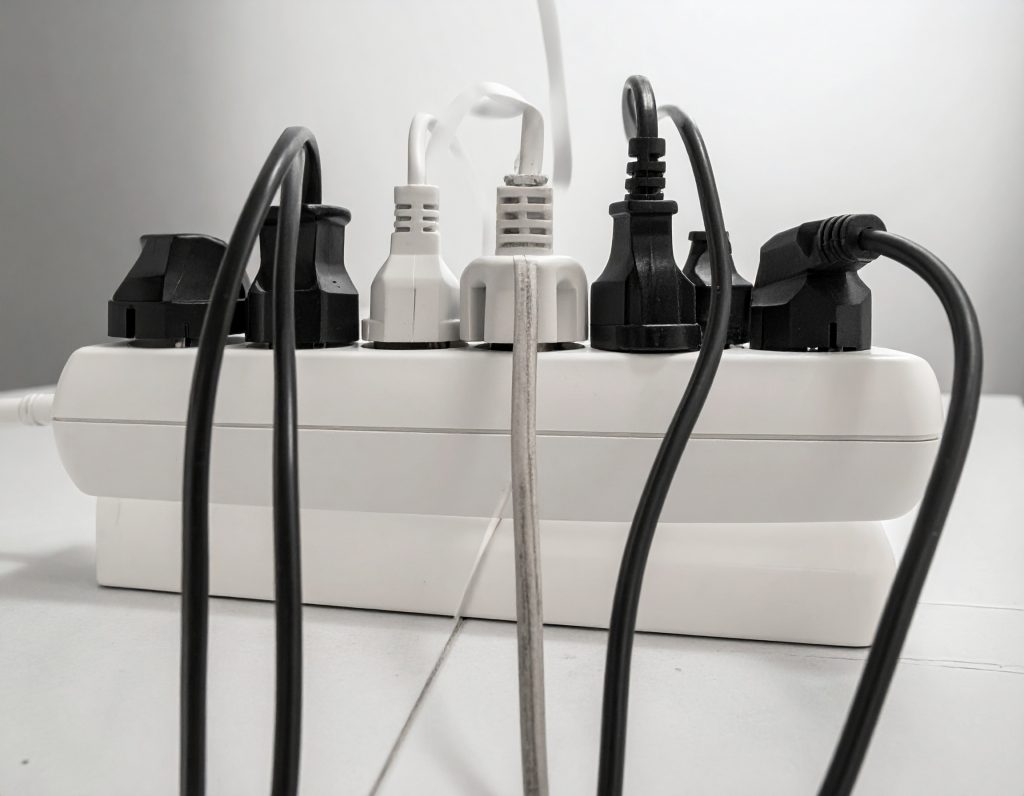
5. Avoid Overloading Power Points
Plugging too many devices into a single power point is a common cause of electrical faults. Overloading can cause overheating, melted plugs, or tripped circuits.
Distribute electrical loads appropriately across multiple circuits and install additional outlets where necessary. Using dedicated circuits for high-power appliances like ovens, air conditioners, and hot water systems is also crucial. Proper planning prevents sudden outages and reduces emergency interventions.
6. Regularly Test Smoke Alarms and Safety Devices
Electrical emergencies aren’t always about power loss — they can also involve fire hazards. Regularly testing smoke alarms, carbon monoxide detectors, and other safety devices ensures they function correctly when you need them most.
Replacing batteries and testing functionality regularly can prevent emergencies and save lives, making it a simple but powerful precaution.
7. Keep Wiring Accessible and Clear
Cabling that is hidden, overcrowded, or poorly installed can lead to faults that are difficult to detect. Over time, cables may become frayed, damaged, or disconnected, increasing the risk of electrical emergencies.
Ensuring wiring is well-organized, supported, and easily accessible allows for quicker maintenance and reduces the chances of unnoticed faults escalating into emergencies.
8. Monitor and Manage Electrical Load
Modern households and commercial sites use far more electricity than ever before. Smart management of electrical loads — including timed appliance use, circuit monitoring, and energy-efficient upgrades — can prevent system overloads.
Using energy monitoring devices or smart home systems allows you to see where electricity is being used most and proactively manage demand. Keeping your electrical load balanced prevents blown fuses, tripped circuits, and emergency call-outs.
9. Maintain Appliances and Equipment
Electrical faults are often linked to poorly maintained appliances. Regularly servicing ovens, air conditioners, hot water systems, and other large electrical equipment reduces the likelihood of failure.
Routine maintenance also helps identify early signs of electrical issues, such as unusual noises, flickering lights, or overheating, which can be addressed before escalating into emergencies.
10. Work With Accredited Electrical Professionals
Finally, working with licensed and accredited electricians, especially for upgrades, maintenance, or complex installations, is one of the smartest precautions you can take. Professionals understand compliance, safety, and load management, ensuring systems are installed and maintained correctly.
Level 2 electricians can also handle supply-side electrical work, which may be required for upgrades, new connections, or high-demand systems. Partnering with a reliable electrical service provider reduces emergency risks and ensures your property is future-ready.
Why These Precautions Matter
Electrical emergencies aren’t just inconvenient — they can be dangerous and expensive. By implementing these ten precautions, you:
- Reduce the risk of power outages
- Prevent equipment damage and property loss
- Protect residents, employees, and visitors
- Avoid costly emergency call-outs
- Increase long-term reliability and peace of mind
In Sydney and across NSW, property owners and managers increasingly recognise the value of proactive electrical management. Preventive strategies are not only safer but also more cost-effective than reactive repairs.
Final Thoughts
Electrical safety is about foresight. The smartest homeowners and businesses plan for emergencies before they happen. From modern switchboards to surge protection, RCD coverage, and smart load management, the right precautions can transform a reactive system into a safe, reliable, and low-risk environment.
If you’re looking to minimize the risk of electrical emergencies in 2026 and beyond, Spectra Electrical can provide expert guidance, maintenance, and upgrades tailored to your property. Our Level 2 accredited team specialises in proactive electrical solutions for homes, commercial properties, and industrial sites across Sydney and NSW, ensuring your systems are safe, compliant, and ready for the future.
By taking the right precautions now, you can enjoy the peace of mind that comes with knowing your electrical systems are prepared — and avoid costly emergency call-outs when you need your power most.