
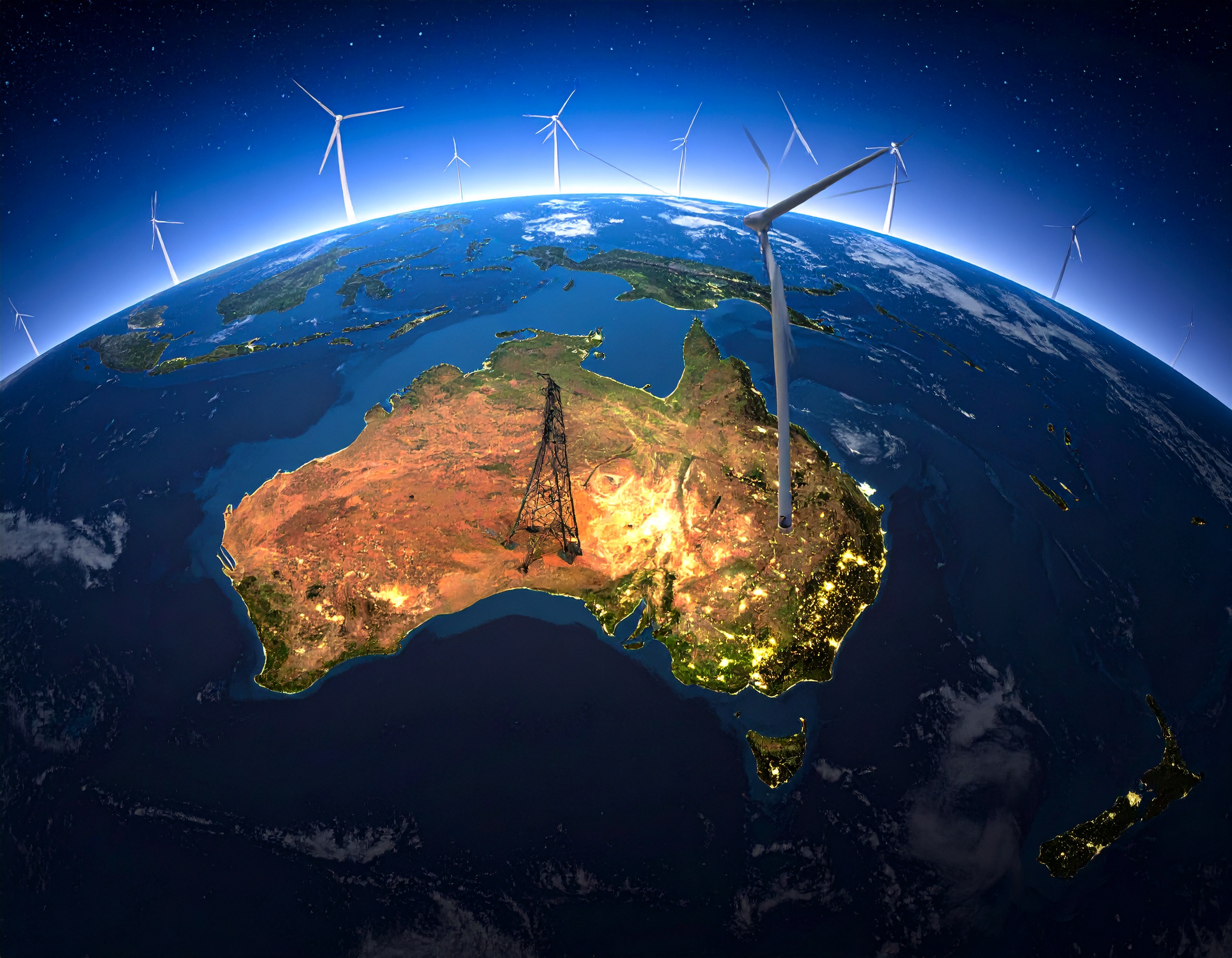
9 Powerful Electrical Shifts Shaping Australia’s Energy Future
Australia’s energy landscape is evolving at an unprecedented pace. With rising environmental awareness, technological breakthroughs, and changing consumer expectations, the electrical industry is experiencing shifts that are shaping how we generate, consume, and manage power. For businesses, homeowners, and communities alike, understanding these changes is crucial to staying ahead in a rapidly transforming energy market. Here are nine powerful electrical shifts that are redefining Australia’s energy future.
1. Renewable Energy Integration
Renewable energy sources, particularly solar and wind, are no longer niche options—they’re becoming central to Australia’s electricity mix. The expansion of solar farms and wind power projects across the country is reducing dependence on fossil fuels while lowering greenhouse gas emissions. Consumers and businesses are increasingly installing rooftop solar systems, contributing to a decentralised energy grid that is more resilient and sustainable.
The integration of renewables also introduces new challenges, such as intermittency and grid stability. This is driving innovation in energy storage solutions and smart grid technologies, ensuring that energy generated from renewable sources can be efficiently distributed when demand peaks.
2. Energy Storage Advancements
Battery storage technology is revolutionising how electricity is used and stored. Large-scale battery projects, like the Hornsdale Power Reserve in South Australia, demonstrate that energy storage can smooth out fluctuations in renewable generation and provide backup power during outages. On a smaller scale, home and business battery systems allow users to store excess solar energy for later use, reducing reliance on the grid and lowering electricity bills.
As storage technology improves and costs continue to decline, energy storage will play an increasingly vital role in creating a more flexible and reliable energy system, enabling Australia to meet its sustainability targets.
3. Smart Grid Expansion
Traditional electrical grids were designed for one-way energy flow—from power plants to consumers. Today, smart grids are transforming this model by enabling two-way communication between utilities and end-users. These grids use sensors, automation, and real-time data analytics to manage electricity more efficiently, detect faults quickly, and optimise energy distribution.
Smart grids also support the integration of distributed energy resources, such as rooftop solar and home batteries, allowing consumers to play an active role in energy management. By improving grid reliability and reducing wastage, smart grids are a cornerstone of Australia’s energy modernisation efforts.
4. Electric Vehicle (EV) Adoption
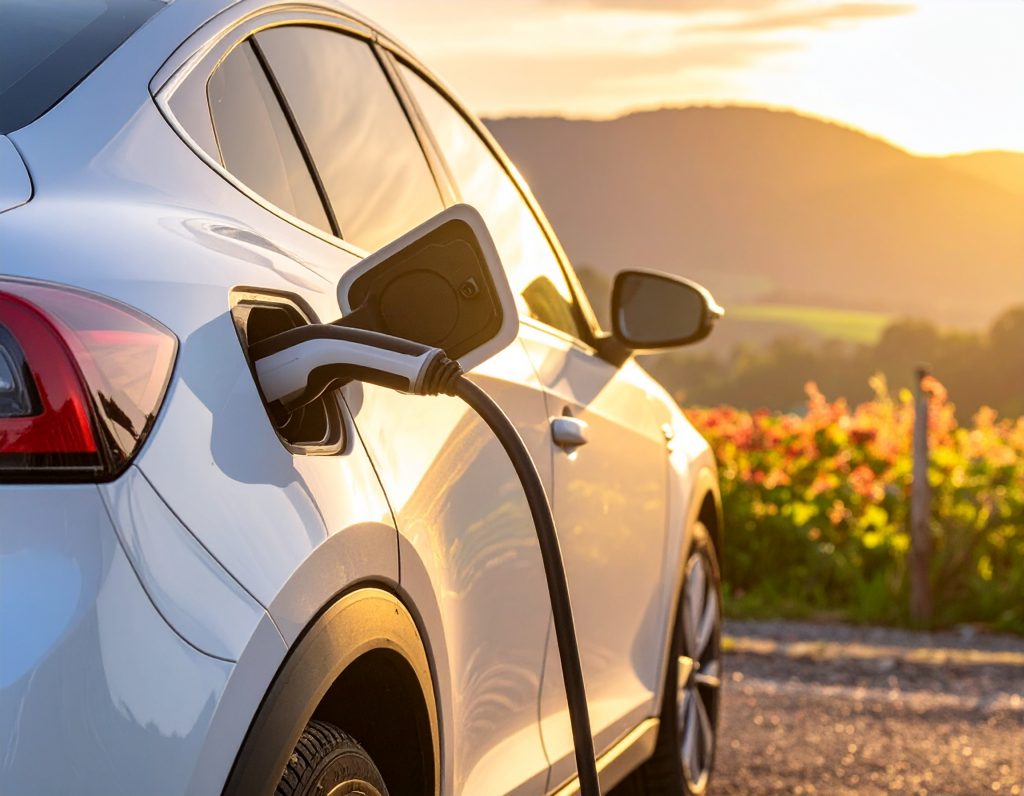
The rise of electric vehicles is reshaping both the transport and energy sectors. As Australians embrace EVs, demand for charging infrastructure and electricity supply is growing rapidly. EVs also have the potential to serve as mobile energy storage units, feeding electricity back into the grid during peak periods through vehicle-to-grid (V2G) technology.
Widespread EV adoption requires coordinated planning between governments, utilities, and businesses to ensure that charging networks are accessible and efficient. This shift not only reduces reliance on petrol and diesel but also aligns transportation with renewable energy integration.
5. Energy Efficiency Innovations
Energy efficiency is no longer just a cost-saving measure—it’s a critical component of sustainability. Advances in LED lighting, high-efficiency appliances, and building energy management systems are helping households and businesses reduce electricity consumption.
On a larger scale, industrial facilities are implementing energy monitoring and optimisation systems that identify inefficiencies and minimise wastage. These innovations are reducing overall energy demand, lowering emissions, and creating more sustainable operations across sectors.
6. Microgrids and Decentralized Power
Microgrids are localised energy networks that can operate independently or in conjunction with the main grid. They are especially valuable in remote areas and critical infrastructure, providing reliable power even when the central grid experiences outages.
Decentralised power generation also empowers communities to take control of their energy production and consumption. By incorporating solar, wind, and storage systems, microgrids enhance resilience, reduce transmission losses, and support a transition toward cleaner energy sources.
7. Demand Response Programs
Demand response programs are changing the way electricity is consumed. Instead of passively using energy, consumers can adjust their usage during peak periods in response to price signals or grid requirements. These programs reduce the strain on the electrical network, lower operational costs, and encourage more sustainable energy consumption patterns.
Businesses and homeowners participating in demand response schemes can benefit financially while contributing to a more stable and environmentally responsible energy system. This shift represents a move toward a more interactive, consumer-focused electricity market.
8. Advanced Metering and Data Analytics
The deployment of smart meters is transforming the relationship between consumers and electricity providers. These devices provide detailed insights into energy consumption patterns, allowing users to identify areas for efficiency improvements and cost savings.
Utilities also benefit from the data, using advanced analytics to predict demand, optimise supply, and prevent outages. As data-driven decision-making becomes more prevalent, the electrical sector is becoming increasingly proactive, efficient, and responsive to evolving energy needs.
9. Focus on Sustainability and Green Energy Policies
Government policies and corporate initiatives are accelerating the shift toward sustainable energy practices. Incentives for solar installations, renewable energy targets, and stricter emissions regulations are encouraging both individuals and businesses to adopt cleaner energy solutions.
Sustainability is no longer optional—it’s a strategic imperative. Companies that prioritise green energy not only reduce their environmental footprint but also enhance brand reputation and meet growing consumer expectations for responsible energy use.
Australia’s energy future is being shaped by a combination of technology, policy, and consumer demand. From renewable integration and energy storage to smart grids and electric vehicles, these nine shifts are driving a cleaner, more efficient, and resilient electrical system. Businesses, homeowners, and communities that embrace these changes will be well-positioned to benefit from the opportunities of a sustainable energy landscape.
At Spectra Electrical, we’re committed to helping clients navigate these transformations. From smart home automation and energy efficiency solutions to commercial electrical services, we provide expert guidance and installation to ensure you’re ready for the energy future of Australia.