
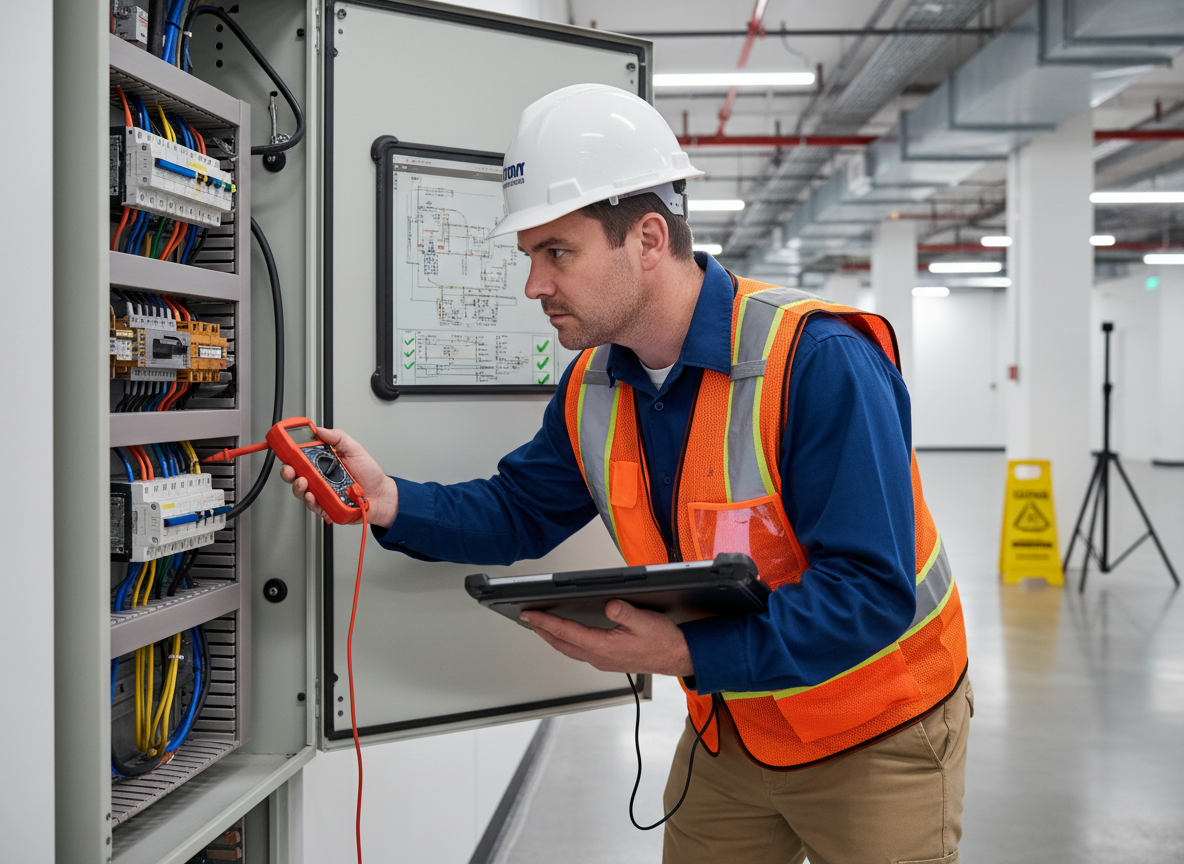
11 Critical Power Standards That Protect Legal Responsibility
Electrical systems power nearly every aspect of modern life, from lighting and climate control to security systems, commercial equipment, and smart technology. But behind the convenience and efficiency of electricity lies a serious responsibility for property owners, businesses, and facility managers: ensuring that electrical installations are safe, compliant, and maintained according to recognised standards.
Electrical compliance isn’t just about technical performance—it’s about legal protection, safety, and risk management. When electrical systems fail due to non-compliance or poor installation practices, the consequences can include property damage, operational disruption, insurance complications, and even legal liability.
Understanding and adhering to critical electrical power standards is essential for protecting both people and assets. Below are 11 critical power standards that protect legal responsibility and ensure electrical systems operate safely and reliably.
1. Compliance with National Electrical Safety Regulations
Electrical work must comply with nationally recognised safety regulations designed to protect people and property. These regulations govern everything from wiring installation methods to protective device requirements.
Failure to comply with electrical safety regulations can result in serious legal consequences if an incident occurs. Property owners and businesses may face liability if installations are found to be unsafe or non-compliant.
Ensuring all electrical work is completed according to recognised standards helps maintain safety while protecting against potential legal exposure.
2. Proper Installation of Residual Current Devices (RCDs)
Residual Current Devices are one of the most important safety protections in modern electrical systems. RCDs detect small electrical leaks and automatically disconnect power to prevent electric shock.
Many jurisdictions now require RCD protection in various areas of homes and commercial buildings, including power outlets and wet areas.
Ensuring RCDs are correctly installed and functioning properly significantly reduces the risk of serious injury and helps property owners meet modern electrical safety requirements.
3. Adequate Earthing and Bonding Systems
Earthing systems are designed to safely redirect fault currents into the ground, preventing electrical equipment from becoming dangerous during a fault.
Without proper earthing and bonding, electrical faults can energise metal surfaces, creating shock hazards and increasing fire risk.
Maintaining a properly installed and tested earthing system ensures electrical faults are safely managed while helping properties remain compliant with electrical safety standards.
4. Correct Circuit Protection and Load Management
Circuit breakers and protective devices prevent electrical circuits from carrying more current than they are designed to handle.
Overloaded circuits can overheat, damage wiring insulation, and significantly increase fire risk. Proper circuit protection ensures that faults or overloads trigger automatic disconnection before damage occurs.
Ensuring circuits are correctly rated and distributed is a critical compliance factor for modern electrical systems.
5. Switchboard Compliance and Accessibility
Switchboards are the central control point for electrical systems. Compliance standards require switchboards to be properly installed, clearly labelled, accessible for maintenance, and equipped with appropriate safety protection.
Outdated or overcrowded switchboards can create both safety risks and compliance issues. Upgrading switchboards to meet modern standards ensures safe operation and allows for future electrical expansion.
Maintaining compliant switchboard infrastructure also supports effective maintenance and troubleshooting when faults occur.
6. Surge Protection for Sensitive Equipment
Electrical surges can occur due to lightning strikes, power grid switching events, or large appliances cycling on and off.
Modern buildings rely heavily on sensitive electronic equipment, including computers, smart home devices, security systems, and automation controls. These systems are particularly vulnerable to voltage spikes.
Installing surge protection devices helps safeguard valuable equipment while reducing the risk of electrical damage that could lead to operational or financial losses.
7. Regular Electrical Testing and Inspection
Electrical systems should not be treated as “set and forget” infrastructure. Over time, connections can loosen, components age, and electrical demand can increase.
Regular inspections help identify issues such as overheating connections, deteriorating insulation, and circuit imbalance before they escalate into serious problems.
Routine testing supports compliance, improves system reliability, and demonstrates responsible property management.
8. Compliance with Emergency Lighting Requirements
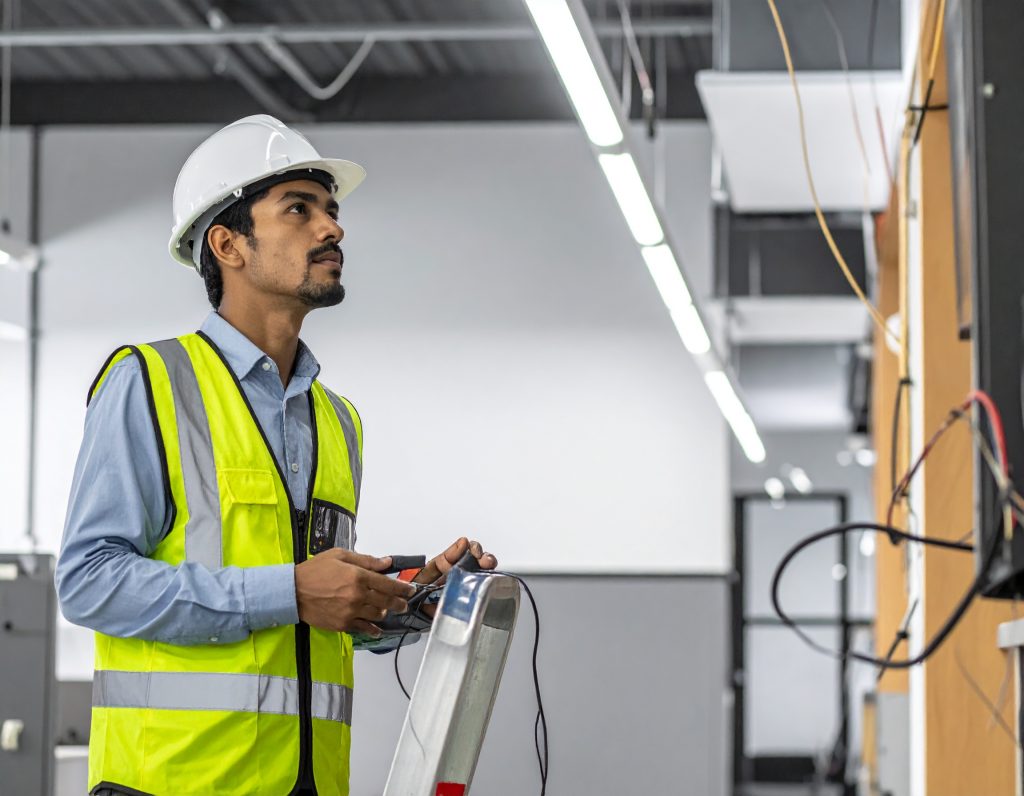
Emergency lighting is a crucial safety feature in many commercial and multi-residential buildings. In the event of a power outage or emergency evacuation, emergency lighting provides visibility and safe exit pathways.
Standards require these systems to be installed correctly and regularly tested to ensure they function when needed.
Failure to maintain emergency lighting can create legal exposure if occupants cannot safely evacuate during emergencies.
9. Safe Installation of High-Demand Equipment
Modern properties often include high-demand equipment such as air conditioning systems, EV chargers, commercial kitchen equipment, and industrial machinery.
These systems require dedicated circuits, appropriate wiring capacity, and carefully calculated load management.
Improper installation can overload existing infrastructure and increase the risk of faults or fire hazards. Ensuring high-demand equipment is installed according to electrical standards protects both safety and system performance.
10. Clear Electrical Documentation and Labelling
Proper documentation and labelling may seem like a minor detail, but it plays a critical role in electrical safety and compliance.
Accurate circuit identification allows electricians to safely isolate power during maintenance or emergency situations. Without clear labelling, troubleshooting becomes more difficult and mistakes become more likely.
Maintaining clear documentation helps ensure safe servicing and demonstrates professional electrical management practices.
11. Future-Proof Infrastructure Planning
Electrical standards are continuously evolving as technology advances and power demand increases.
Planning infrastructure with future capacity in mind helps ensure properties remain compliant as new technologies such as electric vehicle charging, solar systems, and smart automation become more common.
Future-proof planning reduces the need for disruptive upgrades and ensures electrical systems remain safe and reliable as demand grows.
Why Electrical Standards Matter for Legal Protection
Electrical incidents can have serious consequences. Fires caused by faulty wiring, electric shock incidents, or infrastructure failures can lead to property damage, injuries, or operational shutdowns.
When these events occur, investigations often focus on whether electrical installations met required safety standards. If non-compliance is discovered, property owners or businesses may face legal liability, insurance disputes, or regulatory penalties.
Following recognised electrical standards helps demonstrate due diligence and responsible management.
More importantly, it protects the people who rely on these systems every day.
How Spectra Electrical Supports Safe and Compliant Power Systems
Maintaining compliance with electrical standards requires experience, technical knowledge, and attention to detail.
With over two decades of experience servicing Sydney and surrounding areas, Spectra Electrical works with residential clients, property managers, commercial operators, and construction professionals to ensure electrical systems are designed, installed, and maintained to the highest standards.
Spectra Electrical provides a range of services that support compliance and long-term electrical performance, including:
- Switchboard upgrades and safety improvements
- Electrical inspections and preventative maintenance
- Surge protection installation
- Energy-efficient lighting solutions
- Smart system integration
- Level 2 accredited electrical services
- Infrastructure planning for EV charging and modern electrical demand
By focusing on safety, compliance, and long-term reliability, Spectra Electrical helps clients reduce risk while ensuring their electrical infrastructure supports modern lifestyles and business operations.
Working with experienced professionals ensures electrical systems not only meet today’s standards but are also prepared for tomorrow’s technologies.
Final Thoughts
Electricity powers the environments where we live, work, and operate businesses. While it provides incredible convenience and capability, it also requires responsible management.
Understanding and maintaining critical electrical power standards protects both people and property while reducing legal exposure and operational risks.
From proper circuit protection and earthing systems to regular inspections and future infrastructure planning, each standard plays an important role in ensuring electrical systems remain safe, reliable, and compliant.
When electrical systems are maintained to the highest standards, property owners and businesses gain peace of mind knowing their infrastructure is built to perform safely for years to come.