
8 Risky Electrical Choices That Look Fine at First
Electrical systems are often out of sight and out of mind. When lights turn on, appliances run smoothly, and power flows without interruption, it’s easy to assume everything behind the walls is functioning perfectly. However, many electrical issues begin with decisions that appear harmless or even logical at first.
Over time, these seemingly small choices can create safety risks, reduce system efficiency, and lead to costly repairs. Whether you’re a homeowner, property manager, or business owner, understanding these common electrical pitfalls can help you make smarter decisions that protect your property and the people who rely on it.
Below are eight risky electrical choices that look fine at first, but can create serious problems over time.
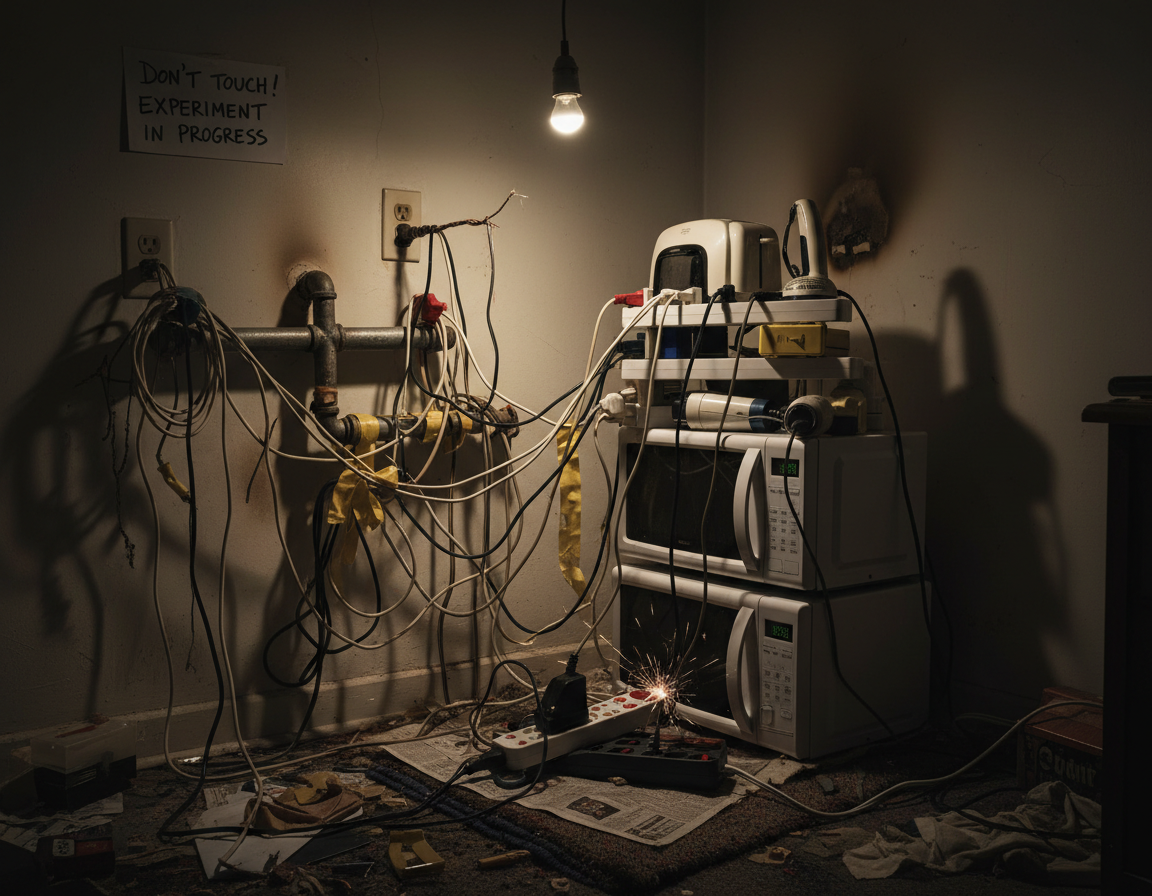
1. Overloading Power Boards and Extension Cords
One of the most common electrical habits in homes and workplaces is relying heavily on power boards and extension cords. At first, this seems like a convenient solution for adding extra outlets without changing existing wiring.
However, extension cords and power boards are designed for temporary use, not as permanent electrical infrastructure.
When multiple high-demand devices such as heaters, microwaves, computers, or air conditioners are connected to the same power board, the circuit can become overloaded. Over time, this increased electrical load generates heat within cables and connections.
Excess heat can damage insulation, weaken wiring, and increase the risk of electrical fires. While the setup may work for months or even years, the long-term strain on the circuit makes this a risky electrical choice.
2. Ignoring Minor Electrical Warning Signs
Small electrical issues often get overlooked because they don’t appear urgent. Flickering lights, occasional breaker trips, or a faint burning smell near outlets can seem like minor inconveniences.
In reality, these signs are often early warnings that something deeper is wrong.
Electrical systems rarely fail without warning. Minor symptoms can indicate loose wiring, overloaded circuits, deteriorating insulation, or equipment faults. Ignoring these signals allows problems to worsen over time.
Addressing these warning signs early can prevent larger failures, reduce repair costs, and improve overall electrical safety.
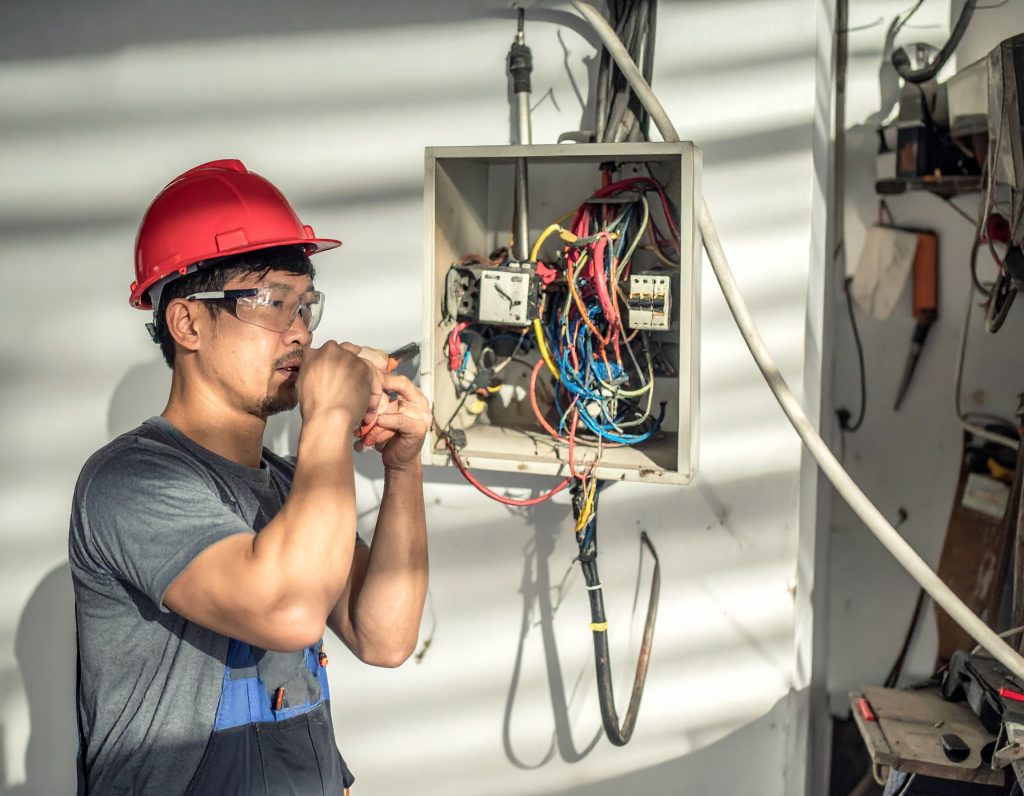
3. DIY Electrical Work
With countless tutorials available online, some property owners attempt to handle electrical work themselves. Installing a light fitting or replacing a power outlet might appear straightforward, but electrical systems are far more complex than they seem.
Improper wiring connections, incorrect cable selection, or missing protective devices can create hidden hazards that remain unnoticed until a fault occurs.
DIY electrical work can also create legal and insurance complications. Many regions require licensed electricians for specific electrical tasks to ensure safety and compliance with regulations.
While the work might look fine visually, incorrect installations can create long-term risks behind walls and ceilings.
4. Installing Too Few Power Outlets
When designing or renovating a property, it can be tempting to minimize the number of power outlets to reduce costs or maintain a clean appearance.
However, this often leads to a heavy reliance on power boards and extension cords later on.
Modern homes and workplaces rely on numerous electronic devices, including computers, entertainment systems, kitchen appliances, chargers, and smart technology. Insufficient outlet access forces users to overload existing circuits.
Installing an adequate number of outlets during construction or renovation allows electrical loads to be distributed properly, reducing the risk of overheating and improving everyday convenience.
5. Keeping Outdated Switchboards
Switchboards are the heart of an electrical system, controlling power distribution and providing essential safety protection. Older switchboards may still function, but many lack modern protective devices designed to prevent electric shock and fire hazards.
Outdated switchboards may not include residual current devices (RCDs), surge protection, or sufficient circuit capacity to handle modern electrical demand.
As new technologies such as electric vehicle chargers, high-powered appliances, and home automation systems become more common, aging switchboards struggle to support increased load requirements.
Upgrading to a modern switchboard improves electrical safety and prepares the property for future electrical demands.
6. Choosing the Cheapest Electrical Materials
Budget considerations are always important when planning electrical work, but choosing the cheapest available materials can sometimes create more problems than it solves.
Low-quality electrical components may wear out faster, perform inconsistently, or fail under normal operating conditions.
Cables, circuit breakers, switches, and outlets all play crucial roles in electrical safety. Investing in quality components helps ensure durability and reliable performance over time.
While inexpensive products may appear identical at first, the difference in reliability often becomes clear after years of use.
7. Ignoring Electrical Capacity When Adding New Technology
Technology is evolving rapidly, and modern homes and workplaces now include more electrical devices than ever before.
Large televisions, multiple computers, home servers, air conditioning systems, EV chargers, and advanced kitchen appliances all increase electrical demand.
Adding these devices without considering the overall capacity of the electrical system can strain circuits and infrastructure.
Over time, the added demand can cause frequent breaker trips, overheating wiring, and reduced equipment lifespan.
Planning electrical upgrades alongside new technology installations ensures the system can handle increased demand safely and efficiently.
8. Skipping Regular Electrical Inspections
Electrical systems are often expected to operate reliably for decades without inspection. However, like any infrastructure, electrical components experience wear and aging.
Connections can loosen due to vibration and thermal expansion. Insulation can deteriorate. Electrical loads can shift as appliances change.
Regular electrical inspections help identify developing issues before they become serious hazards.
Preventative maintenance allows electricians to detect overheating connections, overloaded circuits, and equipment deterioration early, reducing the likelihood of sudden electrical failures.
Why Small Electrical Decisions Matter
Electrical infrastructure plays a critical role in everyday life, yet it is rarely noticed until something goes wrong. Many electrical problems begin with choices that appear harmless in the short term but gradually introduce risk.
From overloaded outlets to aging switchboards, these decisions can create hidden strain on electrical systems.
Over time, the consequences may include:
- Reduced equipment lifespan
- Increased energy consumption
- Electrical fires
- Power interruptions
- Expensive emergency repairs
By recognising these risks early, property owners can take proactive steps to maintain safe, reliable electrical systems.
Building Safer and Smarter Electrical Systems
The best electrical systems are designed with long-term reliability in mind. This means planning infrastructure that can support current demand while remaining flexible enough to accommodate future technologies.
Modern electrical design focuses on safety, efficiency, and resilience.
Key strategies include:
- Ensuring circuits are properly balanced
- Installing modern protective devices
- Planning adequate outlet access
- Upgrading aging infrastructure
- Conducting routine electrical inspections
These proactive steps help ensure electrical systems continue to perform safely and efficiently for years to come.
How Spectra Electrical Helps Prevent Electrical Risks
Making the right electrical decisions requires expertise and experience. Working with qualified professionals ensures electrical systems are installed and maintained according to best practices and safety standards.
Spectra Electrical has been supporting homes, businesses, and property managers across Sydney for more than 20 years, delivering reliable electrical solutions designed for long-term performance.
The team at Spectra Electrical offers a wide range of services to help clients avoid common electrical risks and maintain safe power systems, including:
- Electrical inspections and preventative maintenance
- Switchboard upgrades and safety improvements
- Energy-efficient lighting installations
- Smart home integration
- Electrical infrastructure planning
- Level 2 electrical services
- System upgrades for modern technology demands
By focusing on quality workmanship and future-ready electrical solutions, Spectra Electrical helps ensure electrical systems are not only safe today but prepared for tomorrow’s energy needs.
Final Thoughts
Electrical systems quietly support nearly every aspect of modern living, from lighting and heating to technology and security. Because they operate behind walls and ceilings, many risks can develop unnoticed.
Seemingly small choices—such as relying on extension cords, delaying inspections, or keeping outdated equipment—can gradually place stress on electrical infrastructure.
Understanding these risks allows property owners to make smarter decisions that improve safety, reliability, and long-term performance.
With proper planning, quality installations, and professional support, electrical systems can continue delivering safe and dependable power for decades to come.