
7 Smart Power Layout Decisions That Improve Everyday Flow
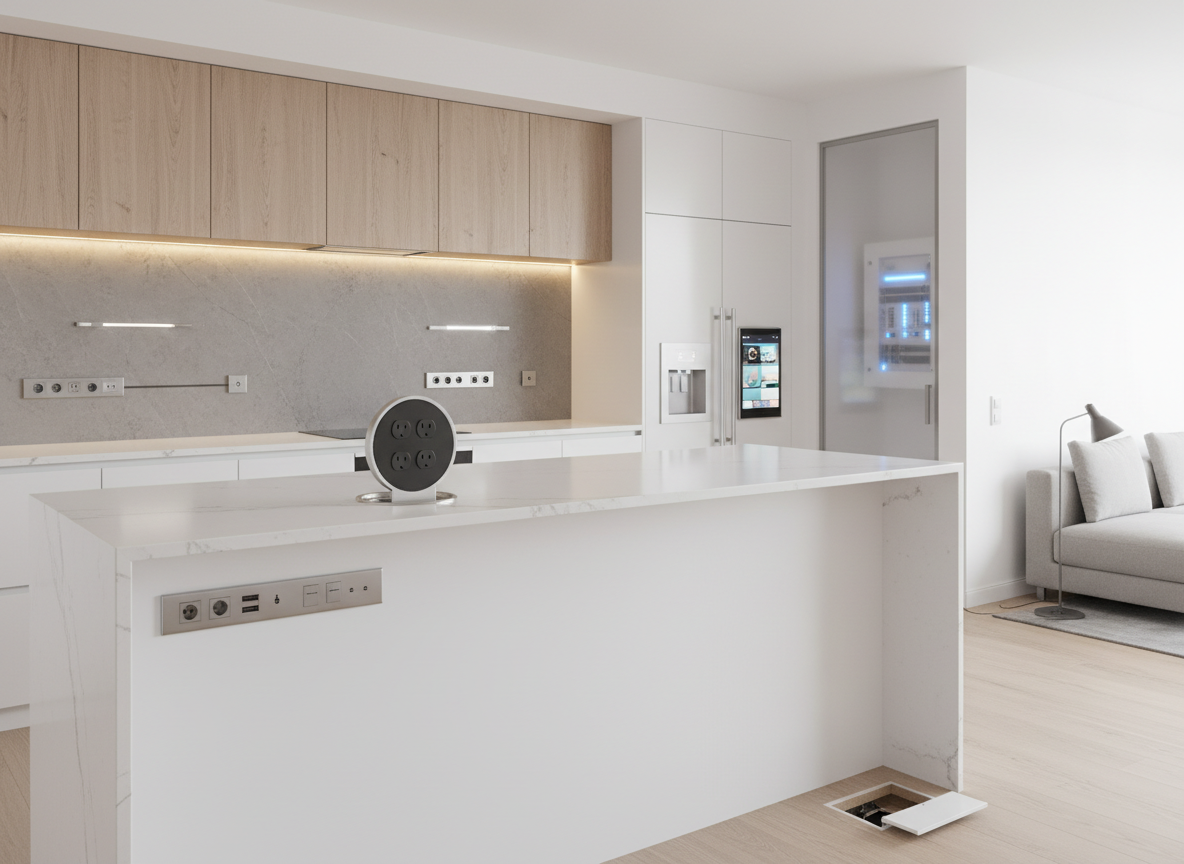
When people think about electrical systems in their home or workplace, they often focus on power availability rather than how the layout of that power affects daily life. However, thoughtful electrical planning can dramatically improve the way a space functions. From the placement of power points to the integration of smart systems, the right decisions can make everyday tasks smoother, safer, and more efficient.
Poor electrical layout planning can lead to cluttered power boards, inconveniently placed switches, and workspaces that feel frustrating rather than productive. On the other hand, smart power layout decisions create environments that feel intuitive and easy to use. Whether it’s a family home, office, retail space, or commercial facility, carefully designed electrical infrastructure improves both comfort and functionality.
Below are 7 smart power layout decisions that improve everyday flow of your space.
1. Design Power Point Placement Around Real Life
One of the most common electrical mistakes is placing power outlets according to standard spacing rather than how people actually use a space.
Many homes and workplaces end up with outlets hidden behind furniture or positioned too far from where devices are used. This leads to extension cords running across rooms, overloaded power boards, and an overall cluttered environment.
Instead, the best approach is to design power point placement based on how each area functions. For example:
- Living rooms benefit from outlets near entertainment units and seating areas
- Kitchens often require additional outlets for appliances like coffee machines and air fryers
- Home offices need convenient access to power for computers, monitors, and chargers
- Bedrooms can benefit from bedside outlets with USB charging
By thinking about daily habits and technology use, electrical layouts can support the way people actually live and work.
2. Create Dedicated Circuits for High-Demand Appliances
Modern households and commercial spaces rely on more electrical equipment than ever before. Appliances such as induction cooktops, EV chargers, HVAC systems, and commercial equipment place significant demand on electrical circuits.
Without proper planning, these devices may share circuits with other equipment, which can lead to nuisance tripping, reduced efficiency, or electrical stress on the system.
Installing dedicated circuits for high-demand appliances ensures that each device receives stable power without affecting other areas of the property. This approach improves both performance and safety while allowing systems to operate more efficiently.
Dedicated circuits also help prepare properties for future upgrades, such as additional appliances or technology integrations.
3. Place Light Switches Where They Make Sense
Lighting control plays a major role in the usability of any space, yet switch placement is often overlooked during electrical planning.
Poorly positioned switches force people to walk through dark rooms or search for controls in inconvenient locations. This can be frustrating and, in some cases, unsafe.
Smart lighting layouts consider natural movement patterns within a space. For example:
- Switches placed at both ends of hallways
- Bedside lighting controls in bedrooms
- Kitchen lighting controls near entry points
- Stairway lighting switches at both top and bottom
These simple adjustments make spaces feel more intuitive and comfortable to navigate.
4. Plan Charging Stations for Modern Devices
Smartphones, tablets, laptops, and wearable devices have become part of everyday life. As a result, charging requirements have increased significantly in both homes and workplaces.
Rather than relying on scattered chargers and extension cords, many modern properties benefit from dedicated charging zones.
Examples include:
- Kitchen charging drawers for family devices
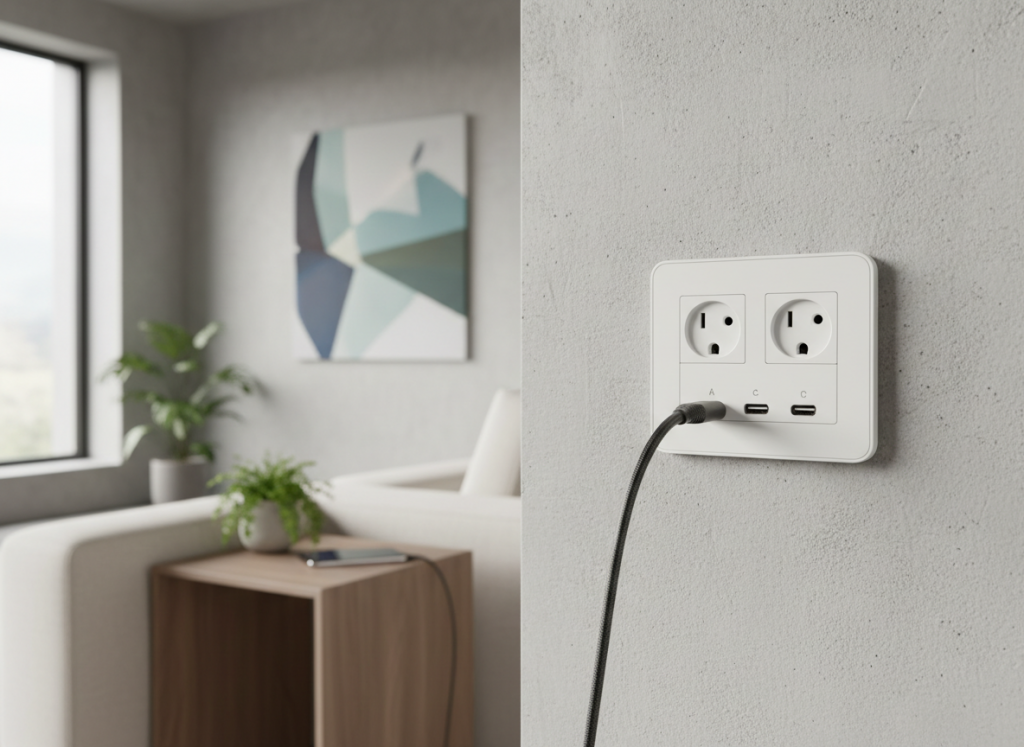
- Built-in USB outlets in living areas
- Bedside charging points for phones and tablets
- Charging stations in office workspaces
These solutions keep devices powered while reducing clutter and maintaining a clean, organised environment.
By integrating charging infrastructure into the electrical layout, spaces can better support the technology people rely on daily.
5. Integrate Smart Controls for Lighting and Power
Smart technology has transformed the way people interact with electrical systems. Smart switches, automated lighting, and app-controlled devices allow users to manage their environment with ease.
Integrating these systems during electrical planning creates a more flexible and responsive space. Smart power layouts can support features such as:
- Scheduled lighting automation
- Voice-controlled devices
- Energy monitoring systems
- Remote control of lighting and appliances
- Scene-based lighting for different activities
For example, a single “evening mode” button could dim living room lights, turn on outdoor lighting, and power entertainment systems simultaneously.
Planning these systems early ensures the electrical infrastructure can support smart technologies without complicated retrofits later.
6. Ensure Outdoor Power Is Practical and Accessible
Outdoor electrical access is another area that often receives minimal planning. Many properties end up with limited outdoor outlets, which can make everyday tasks inconvenient.
Outdoor power is useful for far more than occasional gardening equipment. Modern outdoor spaces often include:
- Outdoor kitchens
- Pool and spa systems
- Entertainment areas
- Security cameras
- Landscape lighting
- Electric garden tools
Strategically placed outdoor outlets allow these systems to operate efficiently without extension cords running across yards or patios.
Weatherproof outlets and properly protected circuits ensure outdoor power remains safe while supporting a variety of modern outdoor lifestyles.
7. Plan Electrical Infrastructure for Future Needs
Technology evolves quickly, and electrical systems should be designed with future flexibility in mind.
Homes and businesses built just a decade ago often struggle to support the power demands of today’s technology. Without forward planning, upgrading electrical infrastructure can become expensive and disruptive.
Future-ready power layouts consider potential developments such as:
- Electric vehicle charging
- solar energy integration
- battery storage systems
- home automation upgrades
- additional appliances or equipment
Installing conduit pathways, spare circuit capacity, and flexible switchboards can make future upgrades significantly easier.
A future-focused approach ensures that electrical systems continue to support modern technology without constant redesign.
Why Smart Electrical Layout Planning Matters
Electrical systems form the backbone of any property. When the layout is carefully designed, daily activities become easier, safer, and more efficient.
Smart power layout decisions can provide benefits such as:
- Improved convenience and usability
- Reduced clutter and extension cords
- Better electrical safety
- Support for modern technology
- Increased property value
- Enhanced energy efficiency
These improvements may seem small individually, but together they create spaces that function smoothly and support modern lifestyles.
In both residential and commercial environments, thoughtful electrical planning plays a major role in shaping the overall experience of a space.
How Professional Electrical Expertise Makes a Difference
Achieving an efficient and practical electrical layout requires more than simply installing power points and switches. It involves understanding how people use spaces, anticipating future needs, and ensuring that electrical systems operate safely under real-world conditions.
Professional electricians bring the expertise needed to design layouts that balance functionality, safety, and long-term performance.
Experienced electrical contractors can evaluate:
- property layout and usage patterns
- electrical load requirements
- safety standards and compliance
- integration with modern technology systems
- opportunities for energy-efficient upgrades
This strategic approach ensures electrical systems support both current needs and future developments.
How Spectra Electrical Can Help
Making the right electrical layout decisions early can significantly improve the way a property functions. Whether planning a renovation, new build, or electrical upgrade, working with experienced professionals ensures the system is designed for efficiency, safety, and convenience.
Spectra Electrical has been delivering high-quality electrical services across Sydney for more than 20 years, supporting residential, commercial, and industrial clients with reliable electrical solutions.
From smart lighting systems and power point planning to complex electrical infrastructure upgrades, the team at Spectra Electrical understands how thoughtful electrical layouts can improve everyday flow within a property.
Their expertise includes:
- electrical system design and upgrades
- smart home and automation solutions
- energy-efficient lighting installations
- commercial electrical infrastructure
- Level 2 electrical services
- ongoing maintenance and compliance support
By taking a strategic approach to electrical planning, Spectra Electrical helps clients create spaces that operate smoothly, safely, and efficiently.
If you are planning electrical upgrades or looking to optimize the power layout of your property, working with experienced professionals can make all the difference. Spectra Electrical can help ensure your electrical systems are designed to support the way you live and work today—while remaining ready for the technologies of tomorrow.