
12 Smart Infrastructure Choices That Improve Grid Stability
As energy demand continues to rise and technology rapidly evolves, the importance of grid stability has never been greater. From residential homes to large-scale commercial operations, every property connected to the electrical grid plays a role in how stable, reliable, and efficient that system is.
Grid instability can lead to power outages, voltage fluctuations, equipment damage, and operational disruptions—all of which come at a cost.
The good news is that improving grid stability doesn’t rely solely on large utility providers. Property owners, developers, and businesses can make smart infrastructure choices that contribute to a stronger, more resilient electrical network.
Here are 12 smart infrastructure choices that improve grid stability while also enhancing the performance and reliability of your own electrical system.
1. Upgrading Switchboards for Modern Demand
Switchboards are the control centre of any electrical system.
Older or undersized switchboards struggle to manage today’s power loads, leading to imbalances and inefficiencies that can affect both the property and the wider grid.
Upgrading to a modern switchboard ensures:
- Balanced power distribution
- Improved fault protection
- Better handling of increased demand
This creates a more stable internal system that supports overall grid performance.
2. Implementing Load Management Systems
Load management systems help regulate how and when electricity is used within a property.
By distributing energy demand more evenly, these systems prevent sudden spikes that can strain the grid.
Benefits include:
- Reduced peak demand
- Improved energy efficiency
- Enhanced system reliability
This is particularly important in commercial facilities and EV charging setups.
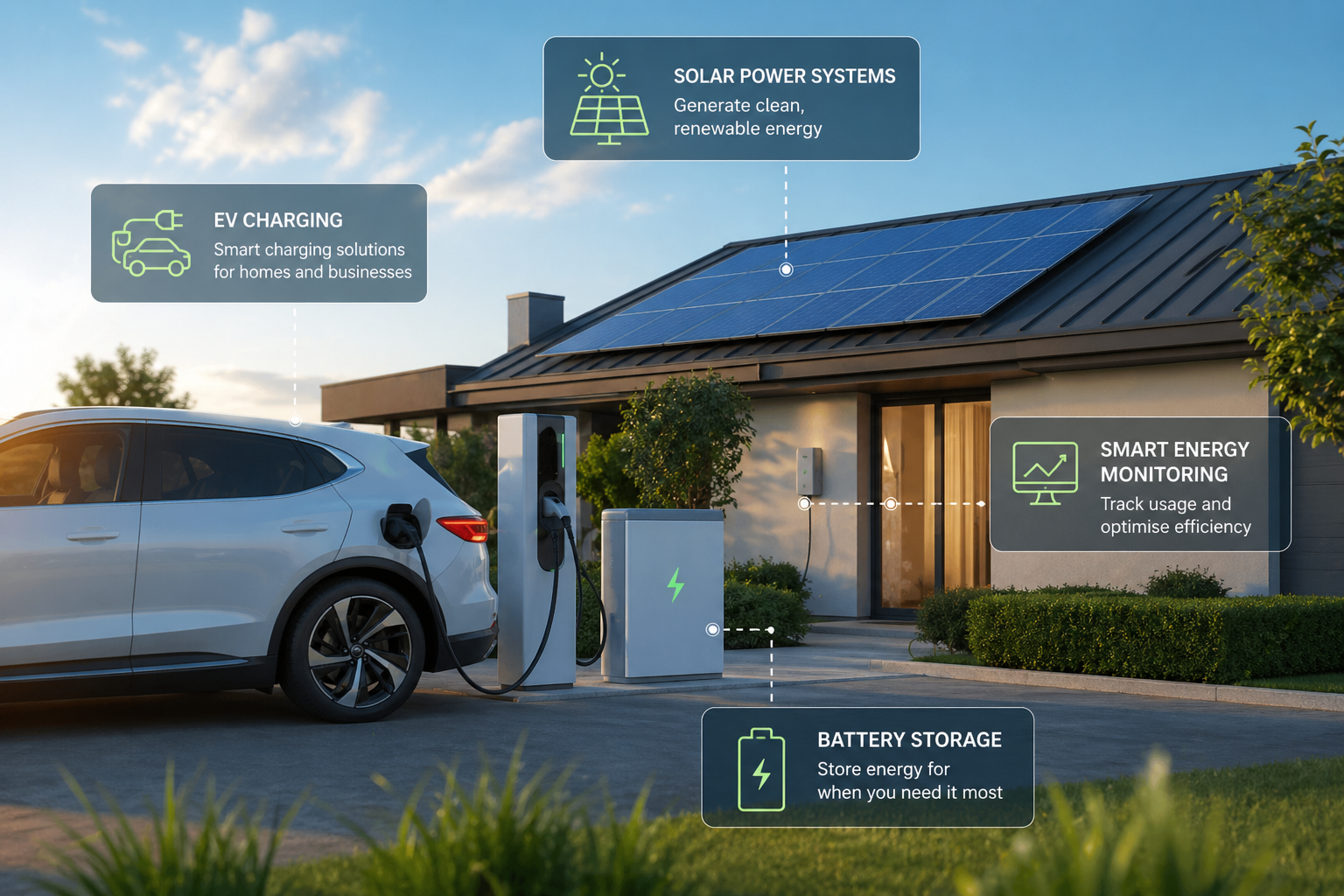
3. Installing EV Charging Infrastructure with Smart Integration
Electric vehicles are placing new demands on the grid. Without proper planning, large-scale charging can contribute to instability.
Smart EV charging systems use load balancing and scheduling to ensure charging occurs efficiently without overloading the system.
This allows properties to support EV adoption while maintaining grid stability.
4. Integrating Solar Power Systems
Solar energy reduces reliance on the grid by generating power locally.
When properly integrated, solar systems can help stabilise demand by reducing peak loads during daylight hours.
However, correct system design is essential to ensure smooth interaction with the grid.
5. Adding Battery Storage Solutions
Battery storage systems take grid support a step further by storing excess energy for later use.
During peak demand periods or outages, these systems can supply power, reducing pressure on the grid.
Key advantages:
- Load shifting capabilities
- Backup power during outages
- Improved energy independence
6. Installing Surge Protection Systems
Power surges can disrupt electrical systems and contribute to instability.
Surge protection devices safeguard equipment and prevent sudden voltage spikes from impacting both your system and the broader grid network.
This improves reliability and reduces the risk of cascading issues.
7. Upgrading to Energy-Efficient Lighting
Lighting accounts for a significant portion of energy usage in many properties.
Switching to LED lighting and incorporating smart controls reduces overall demand, easing pressure on the grid.
Lower energy consumption across multiple properties collectively contributes to a more stable network.

8. Implementing Smart Energy Monitoring
Energy monitoring systems provide real-time insights into power usage.
By identifying inefficiencies and peak usage patterns, property owners can make adjustments that reduce unnecessary demand.
This proactive approach supports both cost savings and grid stability.
9. Designing Scalable Electrical Systems
One of the biggest challenges for the grid is unpredictable growth in demand.
By designing scalable systems that can accommodate future expansion, properties can avoid sudden increases in load that strain the network.
Planning ahead ensures smoother integration of new technologies and equipment.
10. Ensuring Proper Power Factor Correction
Power factor refers to how efficiently electrical power is used.
Poor power factor can lead to increased demand on the grid without delivering useful output.
Power factor correction systems improve efficiency, reducing wasted energy and supporting overall grid performance.
11. Maintaining Electrical Systems Regularly
Neglected electrical systems are more prone to faults, inefficiencies, and instability.
Regular maintenance ensures:
- Optimal performance
- Early detection of issues
- Reduced risk of failure
A well-maintained system operates more efficiently and places less strain on the grid.
12. Working with Qualified Electrical Professionals
Perhaps the most important factor in improving grid stability is ensuring all infrastructure is designed and installed correctly.
Experienced electricians understand how systems interact with the grid and can implement solutions that enhance both performance and compliance.
Why Grid Stability Matters More Than Ever
Grid stability is essential for maintaining reliable access to electricity. As demand increases and new technologies are introduced, the risk of instability grows.
A stable grid ensures:
- Consistent power supply
- Reduced risk of outages
- Protection of electrical equipment
- Efficient energy distribution
Without stability, even minor disruptions can escalate into larger issues affecting multiple properties or entire regions.
The Role of Property Owners in Supporting the Grid
While large-scale infrastructure plays a major role, individual properties collectively have a significant impact on grid performance.
By making smart electrical decisions, property owners can:
- Reduce peak demand
- Improve energy efficiency
- Support renewable energy integration
- Enhance overall system reliability
These contributions not only benefit the grid but also improve the performance and value of the property itself.
The Long-Term Benefits of Smart Infrastructure Choices
Investing in the right electrical infrastructure delivers long-term advantages, including:
- Lower energy costs
- Improved system reliability
- Reduced risk of downtime
- Increased property value
- Future-ready capabilities
These benefits make smart infrastructure planning a worthwhile investment for both residential and commercial properties.
Common Mistakes to Avoid
When planning electrical infrastructure, there are several pitfalls to watch out for:
- Underestimating future power demand
- Ignoring energy efficiency opportunities
- Delaying maintenance and upgrades
- Using inexperienced contractors
Avoiding these mistakes ensures your system performs optimally and contributes positively to grid stability.
How Spectra Electrical Can Help
At Spectra Electrical, we understand the importance of building electrical systems that are not only efficient and reliable but also contribute to a more stable and resilient grid. With over 20 years of experience, we work with homeowners, businesses, and developers to deliver smart, future-ready electrical solutions.
Our services include:
- Switchboard upgrades and electrical system design
- EV charger installation with load management integration
- Surge protection systems
- Level 2 electrical services for advanced grid connections
- Energy-efficient lighting upgrades
- Preventative maintenance and system optimisation
- Infrastructure planning for solar and battery integration
We take a proactive approach, ensuring every system is designed to handle current demands while preparing for future growth and technological advancements.
By partnering with Spectra Electrical, you can be confident your electrical infrastructure is safe, efficient, and built to support long-term performance—both for your property and the wider grid.
Final Thoughts
Grid stability is a shared responsibility, and every property has a role to play. By implementing these 12 smart infrastructure choices, you can improve the reliability and efficiency of your own electrical system while contributing to a stronger, more resilient grid.
From upgrading switchboards and installing smart systems to integrating renewable energy and maintaining your infrastructure, each decision makes a difference.
As technology continues to evolve and energy demand grows, investing in the right electrical solutions today will ensure your property remains efficient, reliable, and future-ready for years to come.