
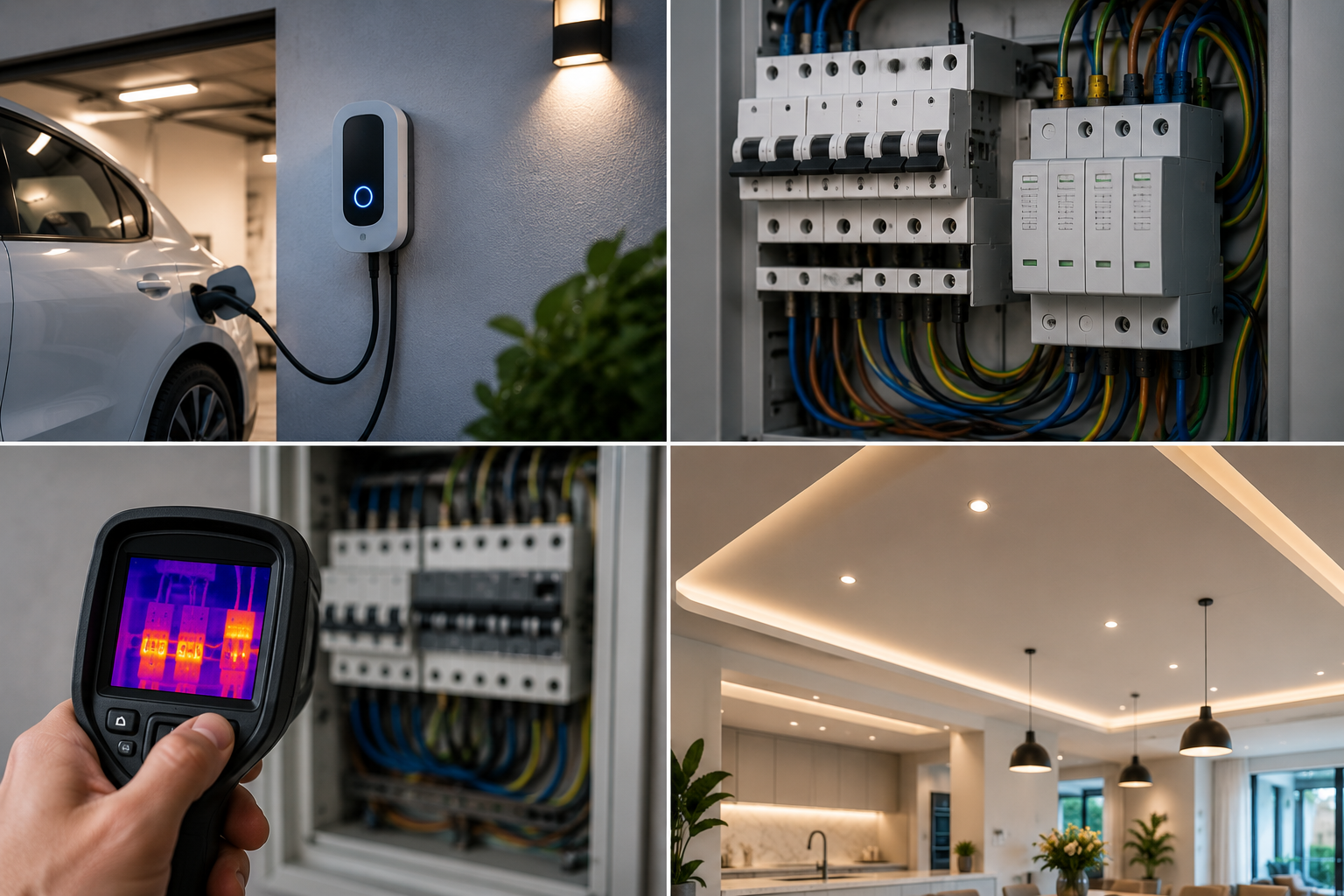
14 Powerful Electrical Safeguards That Meet Modern Standards
Electrical systems are the backbone of every modern home, workplace, and commercial facility. From powering essential appliances to supporting advanced smart technology, today’s properties rely on electricity more heavily than ever before.
However, with increasing energy demand comes a greater need for safety, reliability, and compliance. Modern electrical systems must not only perform efficiently—they must also protect people, equipment, and property from hazards and unexpected failures.
That’s where electrical safeguards come in.
Electrical safeguards are the protective systems, devices, and strategies designed to reduce risk, improve reliability, and ensure installations meet modern electrical standards. Whether you own a home, manage a commercial building, or oversee an industrial site, implementing the right safeguards can prevent costly problems while improving long-term performance.
Here are 14 powerful electrical safeguards that meet modern standards and remain safe, efficient, and future-ready for your property.
1. Safety Switches (RCDs)
Safety switches, also known as Residual Current Devices (RCDs), are one of the most important electrical safety protections in any property.
These devices monitor the flow of electricity and quickly shut off power if they detect a fault or leakage current.
Why They Matter
RCDs are designed to help protect people from electric shock and reduce the risk of electrical fires.
Modern Benefits
- Rapid fault detection
- Improved occupant safety
- Reduced fire risk
- Compliance with modern regulations
Many older properties still lack adequate safety switch protection, making upgrades essential.
2. Surge Protection Devices
Power surges can occur unexpectedly due to storms, switching events, or electrical faults.
Without surge protection, sensitive electronics and appliances can suffer significant damage in seconds.
Why They Matter
Modern homes and businesses contain expensive technology that is highly vulnerable to voltage spikes.
Modern Benefits
- Protects appliances and electronics
- Reduces equipment failure
- Improves system longevity
- Minimises downtime
Whole-property surge protection has become increasingly important in technology-heavy environments.
3. Modern Switchboard Upgrades
The switchboard is the control centre of an electrical system.
Older switchboards often struggle to support the demands of modern living, especially in properties with smart systems, EV chargers, and high-powered appliances.
Why They Matter
Outdated switchboards can create safety risks and limit future upgrades.
Modern Benefits
- Increased electrical capacity
- Improved safety and compliance
- Better circuit management
- Easier future expansion
Modern switchboards are designed to support evolving electrical demands safely and efficiently.
4. Arc Fault Detection Devices (AFDDs)
Arc faults occur when damaged or loose wiring creates electrical arcing, which can generate heat and lead to fires.
Arc Fault Detection Devices are designed to identify these dangerous conditions before major damage occurs.
Why They Matter
Electrical fires caused by hidden wiring faults can be devastating and difficult to detect early.
Modern Benefits
- Early fault detection
- Improved fire prevention
- Enhanced protection for modern homes
- Greater electrical reliability
AFDD technology is becoming increasingly recognised as a valuable safeguard in modern installations.
5. Proper Earthing Systems
Earthing systems provide a safe pathway for electrical faults to travel into the ground rather than through people or equipment.
Why They Matter
Without proper earthing, electrical systems become significantly more dangerous during faults or surges.
Modern Benefits
- Improved electrical safety
- Reduced shock risk
- Better equipment protection
- Compliance with safety standards
Proper earthing is one of the foundational requirements of safe electrical infrastructure.
6. Circuit Separation and Dedicated Circuits
Modern electrical systems often require dedicated circuits for high-demand appliances and specialised equipment.
Why They Matter
Overloaded circuits can lead to tripping, overheating, and poor system performance.
Common Dedicated Circuits
- Air conditioning systems
- EV chargers
- Kitchen appliances
- Home offices
- Entertainment systems
Modern Benefits
- Reduced overload risk
- Improved reliability
- Better system efficiency
- Safer operation of high-powered equipment
7. Energy-Efficient Lighting Systems
Lighting technology has evolved dramatically over the last decade.
LED lighting systems now offer better efficiency, lower energy consumption, and longer lifespan compared to older technologies.
Why They Matter
Inefficient lighting increases electricity costs and maintenance requirements.
Modern Benefits
- Reduced energy usage
- Lower operating costs
- Improved lighting quality
- Longer lifespan
Smart lighting controls can further improve efficiency and convenience.

8. Smoke Alarms and Interconnected Detection Systems
Smoke alarms are one of the most critical life-saving safeguards in residential properties.
Modern interconnected systems ensure that when one alarm activates, all alarms throughout the property sound simultaneously.
Why They Matter
Early fire detection can save lives and significantly reduce property damage.
Modern Benefits
- Faster emergency response
- Greater occupant awareness
- Improved compliance
- Enhanced household safety
Regular testing and maintenance are essential for ongoing reliability.
9. Data and Network Infrastructure Protection
Modern homes and businesses rely heavily on digital connectivity.
Structured cabling and protected data infrastructure help maintain stable performance while reducing vulnerability to interruptions and damage.
Why They Matter
Poor network infrastructure can impact productivity, security, and system reliability.
Modern Benefits
- Faster connectivity
- Improved smart technology integration
- Reduced downtime
- Better long-term scalability
As properties become smarter, data infrastructure is becoming increasingly important.
10. EV Charger Safety Integration
Electric vehicle charging systems place additional demand on electrical infrastructure.
Proper installation and protection measures are essential for safe operation.
Why They Matter
Incorrect EV charger installation can overload systems and create safety risks.
Modern Benefits
- Safe charging performance
- Load management capabilities
- Future-ready infrastructure
- Improved energy efficiency
Professional planning ensures EV charging systems operate safely and effectively.
11. Backup Power and Emergency Systems
Power outages can disrupt homes and businesses significantly.
Backup systems help maintain essential operations during unexpected interruptions.
Why They Matter
Critical equipment and systems may require uninterrupted power.
Examples
- Emergency lighting
- Battery backup systems
- Generators
- UPS systems
Modern Benefits
- Reduced downtime
- Improved operational continuity
- Increased resilience
- Better emergency preparedness
12. Smart Home and Automation Safety Controls
Smart home systems provide more than convenience—they also improve safety and monitoring capabilities.
Why They Matter
Automation systems can help identify issues early and improve energy management.
Examples
- Automated lighting controls
- Smart security integration
- Remote monitoring systems
- Energy management platforms
Modern Benefits
- Improved control and visibility
- Greater efficiency
- Enhanced convenience
- Increased property functionality
13. Thermal Imaging and Preventative Maintenance
Preventative maintenance is one of the most effective ways to identify electrical problems before they become serious.
Thermal imaging inspections can detect overheating components, loose connections, and overloaded circuits.
Why They Matter
Many electrical faults develop gradually and remain hidden until failure occurs.
Modern Benefits
- Early problem detection
- Reduced maintenance costs
- Improved system reliability
- Lower risk of unexpected failures
Preventative maintenance helps extend the lifespan of electrical systems significantly.
14. Future-Proof Electrical Planning
Perhaps the most important safeguard is planning electrical systems with the future in mind.
Technology and energy demands continue evolving rapidly, and properties must adapt accordingly.
Why They Matter
Poor planning can lead to expensive upgrades and limited flexibility later.
Future-Focused Considerations
- Additional switchboard capacity
- Conduits for future wiring
- Renewable energy compatibility
- Smart home readiness
- EV infrastructure planning
Modern Benefits
- Easier future upgrades
- Reduced renovation costs
- Increased property value
- Greater long-term adaptability
Future-proofing reduces uncertainty while supporting long-term performance.
Why Modern Electrical Safeguards Matter More Than Ever
Electrical systems are no longer simple utility systems.
Modern homes and businesses depend on electricity for:
- Communication
- Security
- Entertainment
- Climate control
- Productivity
- Transportation
As reliance on technology increases, so does the importance of electrical safety and infrastructure planning.
Without proper safeguards, properties become more vulnerable to:
- Electrical fires
- Equipment failure
- Power interruptions
- Safety hazards
- Compliance issues
Modern safeguards help minimise these risks while improving reliability and efficiency.
The Cost of Ignoring Electrical Safety
Many electrical issues remain hidden until they cause major problems.
Delaying upgrades or ignoring warning signs can lead to:
- Expensive emergency repairs
- Property damage
- Increased insurance risks
- Downtime and disruption
- Reduced property value
Proactive electrical improvements are often far more cost-effective than reactive repairs.
How Modern Standards Improve Property Performance
Meeting modern electrical standards is not just about compliance—it’s about performance, efficiency, and long-term value.
Well-designed electrical systems provide:
- Better reliability
- Improved energy efficiency
- Greater occupant safety
- Enhanced technology integration
- Stronger future adaptability
Properties with updated electrical infrastructure are better positioned to handle modern demands while remaining safe and efficient for years to come.
How Spectra Electrical Can Help
At Spectra Electrical, we understand the importance of modern electrical safety, compliance, and future-ready infrastructure.
With over 20 years of industry experience, we provide professional electrical solutions for residential, commercial, and industrial properties across Sydney.
Our services include:
- Switchboard upgrades
- Surge protection installation
- EV charger installation
- Smart home automation systems
- Energy-efficient lighting upgrades
- Level 2 electrical services
- Preventative maintenance and inspections
- Electrical infrastructure planning
- Data cabling and connectivity solutions
We work closely with our clients to deliver safe, reliable, and future-focused electrical systems designed to meet modern standards and long-term needs.
Final Thoughts
Electrical safeguards play a critical role in protecting modern homes and businesses.
These 14 powerful electrical safeguards help reduce risk, improve reliability, support evolving technologies, and ensure properties remain compliant with modern standards.
As electrical demands continue growing, investing in smarter infrastructure and protective systems becomes increasingly important.
Whether it’s upgrading your switchboard, installing surge protection, improving lighting efficiency, or planning for future technologies, proactive electrical planning helps create safer, more reliable, and more adaptable properties for years to come.