
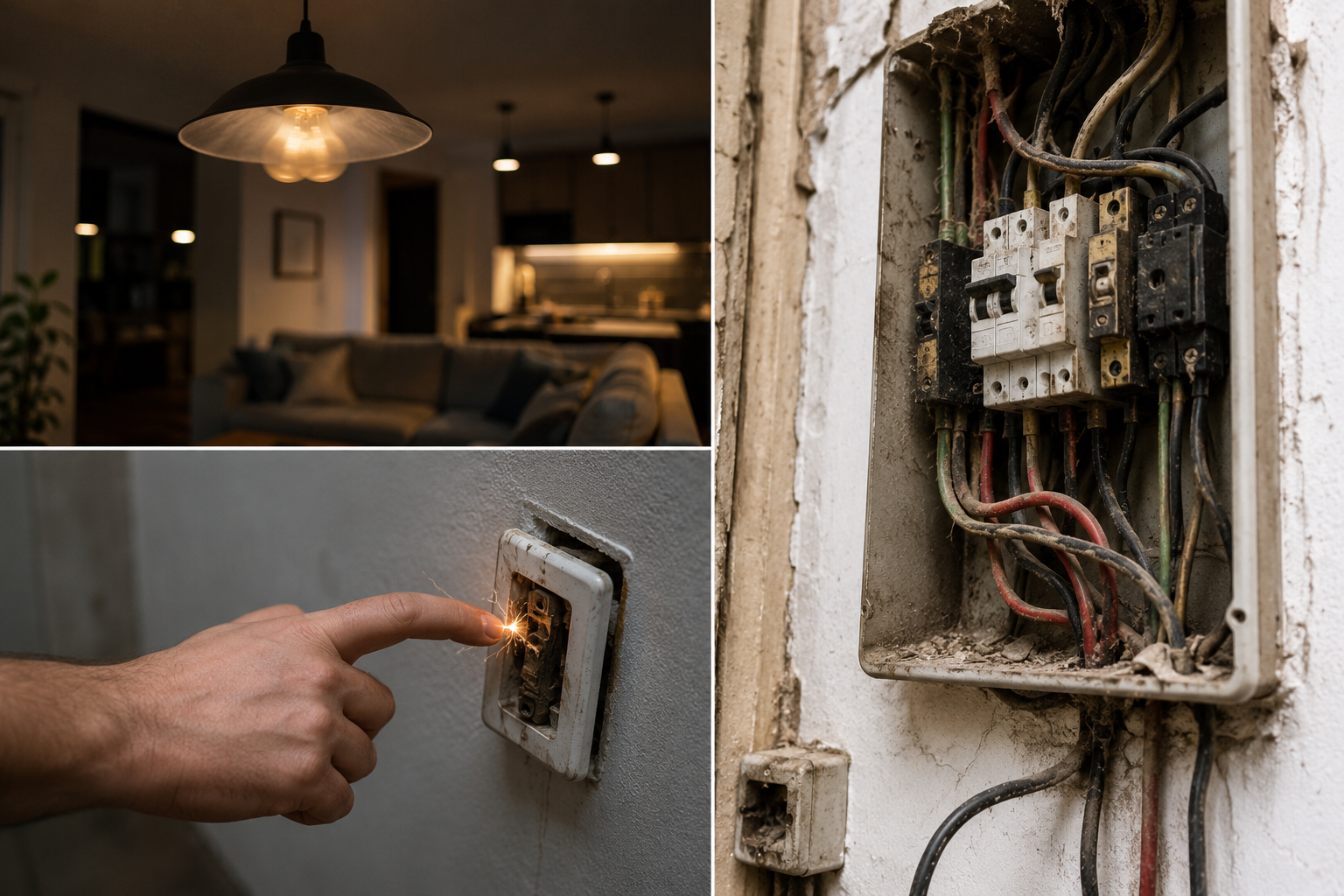
8 Dangerous Electrical Assumptions That Lead to Big Repairs
Electrical systems are something most people rarely think about — until something goes wrong. In homes, commercial buildings, and industrial facilities, electrical infrastructure quietly powers daily life behind the scenes. Because of this, many property owners unknowingly make assumptions about their electrical systems that can eventually lead to major safety hazards, costly repairs, and unexpected downtime.
What often starts as a “small issue” can quickly escalate into a much larger and more expensive problem when warning signs are ignored for too long. Flickering lights, overloaded circuits, outdated switchboards, and recurring electrical faults are frequently dismissed as harmless inconveniences when they are actually indicators of deeper infrastructure issues.
The reality is that modern electrical demand has increased significantly over the past decade. Properties now rely on smart devices, EV chargers, entertainment systems, air conditioning, commercial machinery, data systems, and energy-intensive appliances that older electrical systems were never originally designed to support.
Understanding the dangerous assumptions that commonly lead to electrical failures can help property owners avoid unnecessary repair costs, improve safety, and protect long-term property performance.
Here are 8 dangerous electrical assumptions that lead to big repairs and preventable electrical problems.
1. “If the Power Still Works, Everything Must Be Fine”
One of the most common and dangerous assumptions people make is believing that an electrical system is healthy simply because the lights still turn on.
Electrical faults often develop gradually behind walls, inside switchboards, or within circuits long before complete failure occurs. By the time power loss becomes noticeable, the issue may already be serious.
Hidden Problems That Can Exist Even When Power Works
- Loose electrical connections
- Overloaded circuits
- Deteriorating wiring insulation
- Switchboard overheating
- Voltage irregularities
- Faulty circuit protection
Why This Leads to Big Repairs
Minor faults that are left unresolved can slowly damage electrical components over time. Heat buildup from loose connections or overloaded circuits can eventually damage wiring, appliances, switchboards, and connected equipment.
The Better Approach
Regular inspections and preventative maintenance help identify hidden issues before they escalate into expensive emergencies.
2. “A Flickering Light Is Just a Bad Bulb”
Flickering lights are one of the most ignored electrical warning signs. While a faulty bulb can sometimes be the cause, recurring flickering often points to more serious electrical problems.
Possible Causes
- Loose wiring connections
- Overloaded circuits
- Voltage fluctuations
- Faulty switches
- Deteriorating electrical infrastructure
Why It Becomes Expensive
Loose wiring creates resistance and heat, which can gradually damage surrounding electrical components and significantly increase fire risk.
If ignored for too long, what starts as occasional flickering may eventually require:
- Wiring repairs
- Circuit replacement
- Switchboard upgrades
- Emergency fault rectification
Warning Signs To Watch
- Lights dimming when appliances turn on
- Flickering across multiple rooms
- Buzzing sounds near light fittings
- Intermittent electrical performance
Electrical inconsistencies should always be investigated professionally before they worsen.
3. “Power Boards Solve Everything”
Power boards are useful for temporary convenience, but many properties rely on them far more than they should.
Modern homes and businesses often consume significantly more electricity than older electrical systems were designed to support. As a result, people compensate by using multiple adaptors, extension leads, and overloaded power boards.
Common High-Demand Devices
- Heaters
- Gaming systems
- Refrigerators
- Computers
- Air fryers
- Microwaves
- Commercial equipment
Why This Assumption Is Dangerous
Overloaded power boards can overheat and place excessive strain on circuits, increasing the risk of:
- Electrical fires
- Circuit damage
- Appliance failure
- Frequent breaker trips
The Long-Term Solution
Rather than overloading existing circuits, installing additional power points and upgrading electrical infrastructure provides a much safer and more reliable solution.
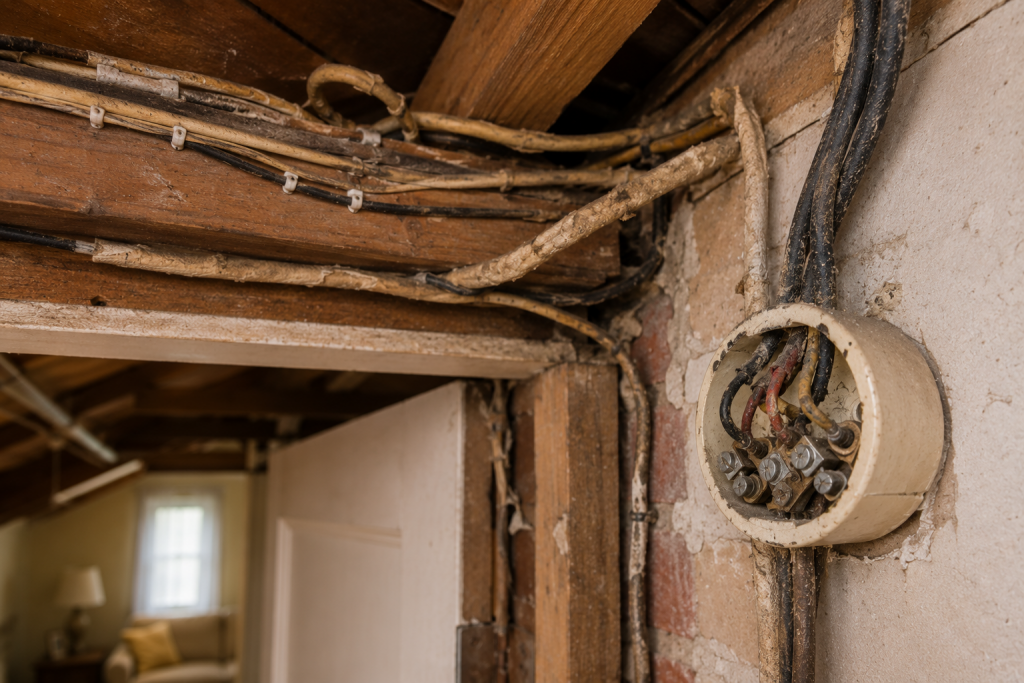
4. “Older Wiring Is Fine If It Hasn’t Caused Problems Yet”
Many older homes and commercial properties still operate with ageing electrical wiring that no longer meets modern standards or electrical demand requirements.
Because wiring is hidden behind walls and ceilings, deterioration often goes unnoticed until major issues occur.
Common Problems With Old Wiring
- Brittle insulation
- Corroded connections
- Inadequate load capacity
- Poor earthing systems
- Non-compliant installation methods
Why It Leads to Expensive Repairs
Outdated wiring systems struggle to safely support modern electrical loads. Over time, excessive strain can lead to:
- Circuit failures
- Appliance damage
- Electrical fires
- Extensive rewiring costs
Warning Signs
- Burning smells
- Warm outlets
- Frequent tripping
- Flickering lights
- Discoloured switches or outlets
Modern rewiring improves safety, efficiency, and long-term property reliability.
5. “Resetting the Circuit Breaker Fixes the Problem”
Circuit breakers are designed to protect electrical systems from dangerous conditions.
When a breaker trips repeatedly, many people simply reset it without investigating why the fault occurred in the first place.
Common Causes of Repeated Tripping
- Circuit overloads
- Faulty appliances
- Damaged wiring
- Moisture ingress
- Switchboard faults
Why This Assumption Is Risky
Circuit breakers trip because the system is detecting an unsafe condition. Ignoring repeated tripping can allow the underlying issue to worsen over time.
Potential Consequences
- Damaged circuits
- Appliance failure
- Overheating cables
- Fire hazards
- Expensive emergency repairs
Repeated breaker trips should always be professionally assessed rather than continuously reset.
6. “DIY Electrical Work Saves Money”
DIY electrical work may appear cost-effective initially, but it often leads to expensive rectification work and serious safety risks later.
Electrical systems are highly technical and require compliance with strict safety standards and installation procedures.
Common DIY Mistakes
- Incorrect cable sizing
- Unsafe terminations
- Poor circuit protection
- Incorrect earthing
- Overloaded connections
Why DIY Work Often Becomes Expensive
Improper electrical work can result in:
- Hidden wiring faults
- Equipment damage
- Electrical fires
- Failed inspections
- Insurance complications
In many cases, repairing faulty DIY electrical work costs significantly more than hiring a licensed electrician from the beginning.
The Safer Option
Professional electricians ensure systems are installed safely, tested correctly, and compliant with modern standards.
7. “Small Electrical Shocks Are Nothing Serious”
Some people experience mild tingling sensations from appliances, switches, or taps and assume it is harmless static electricity.
In reality, even small electrical shocks can indicate serious underlying faults.
Possible Causes
- Faulty grounding
- Damaged appliances
- Earthing issues
- Wiring faults
- Moisture-related electrical problems
Why This Is Dangerous
Small shocks may indicate that electrical current is leaking somewhere within the system.
Ignoring these warning signs can eventually lead to:
- Severe electric shock
- Appliance damage
- Wiring failures
- Major electrical faults
No electrical shock should ever be considered normal.
Immediate inspection is always recommended.
8. “Surge Protection Isn’t Necessary”
Many people underestimate how frequently power surges occur.
Power surges can result from:
- Storms
- Grid switching events
- Faulty appliances
- Utility network issues
- Large equipment cycling on and off
Why Modern Properties Are Vulnerable
Today’s homes and businesses contain sensitive electronic equipment including:
- Smart TVs
- Computers
- Security systems
- Routers
- Smart home devices
- Commercial technology systems
Why Lack of Protection Becomes Expensive
Without surge protection, voltage spikes can damage expensive electronics and reduce equipment lifespan.
Potential Costs
- Appliance replacement
- Data loss
- Downtime
- Network disruption
- Expensive equipment repairs
Surge protection provides an important layer of defence against unexpected electrical events.
Why Small Electrical Problems Often Become Major Repairs
Electrical systems rarely fail instantly without warning.
In most cases, warning signs appear gradually before significant damage occurs. The problem is that many property owners become accustomed to small issues and delay addressing them until major failures happen.
For example:
- Loose wiring generates heat
- Heat damages insulation
- Damaged insulation creates fire risk
- The fault worsens over time
By the time the issue becomes obvious, repair costs are often far higher than if the problem had been identified early.
The Importance of Preventative Electrical Maintenance
Preventative maintenance is one of the most effective ways to avoid unexpected electrical repairs.
Regular inspections can help identify:
- Overloaded circuits
- Loose connections
- Deteriorating wiring
- Switchboard issues
- Compliance concerns
Benefits of Preventative Maintenance
- Improved safety
- Reduced downtime
- Lower long-term repair costs
- Better electrical reliability
- Extended equipment lifespan
Proactive maintenance helps property owners avoid reactive emergency repairs and costly system failures.
How Modern Technology Is Increasing Electrical Demand
Modern electrical demand is significantly higher than it was even 10–15 years ago.
Today’s properties commonly support:
- Smart home systems
- EV charging infrastructure
- High-powered appliances
- Automation systems
- Data networks
- Advanced entertainment systems
Older electrical infrastructure often struggles to support these increasing loads safely and efficiently.
As technology continues evolving, electrical systems must also adapt to support future demand.
The Role of Professional Electrical Planning
Professional electrical planning helps ensure infrastructure is:
- Safe
- Compliant
- Efficient
- Scalable
- Reliable long term
Licensed electricians can identify hidden risks early while also helping property owners prepare for future upgrades and energy demands.
Investing in quality electrical work today can prevent far more expensive repairs and disruptions in the future.
How Spectra Electrical Can Help
At Spectra Electrical, we help homeowners, businesses, strata properties, and commercial facilities across Sydney identify and resolve electrical issues before they become major problems.
With over 20 years of industry experience, our team delivers reliable, professional, and future-focused electrical solutions designed to improve safety, efficiency, and long-term system performance.
Our services include:
- Electrical fault finding
- Switchboard upgrades
- Preventative maintenance
- Surge protection installation
- Commercial electrical services
- Energy-efficient lighting upgrades
- EV charger installation
- Smart electrical systems
- Data and communications infrastructure
- Level 2 electrical services
As Level 2 Accredited Service Providers, we also offer advanced infrastructure solutions involving mains power systems and network connections.
At Spectra Electrical, we focus on safe workmanship, strong communication, and dependable service that clients can trust long term.
Final Thoughts
Electrical systems are often taken for granted until problems arise. Unfortunately, many costly repairs begin with small assumptions that seem harmless at first.
These 8 dangerous electrical assumptions highlight how ignoring warning signs, delaying upgrades, or overlooking preventative maintenance can eventually lead to expensive failures, safety hazards, and operational disruptions.
By taking a proactive approach to electrical safety and infrastructure planning, property owners can improve reliability, reduce long-term costs, and better protect their homes and businesses from unnecessary risk.