
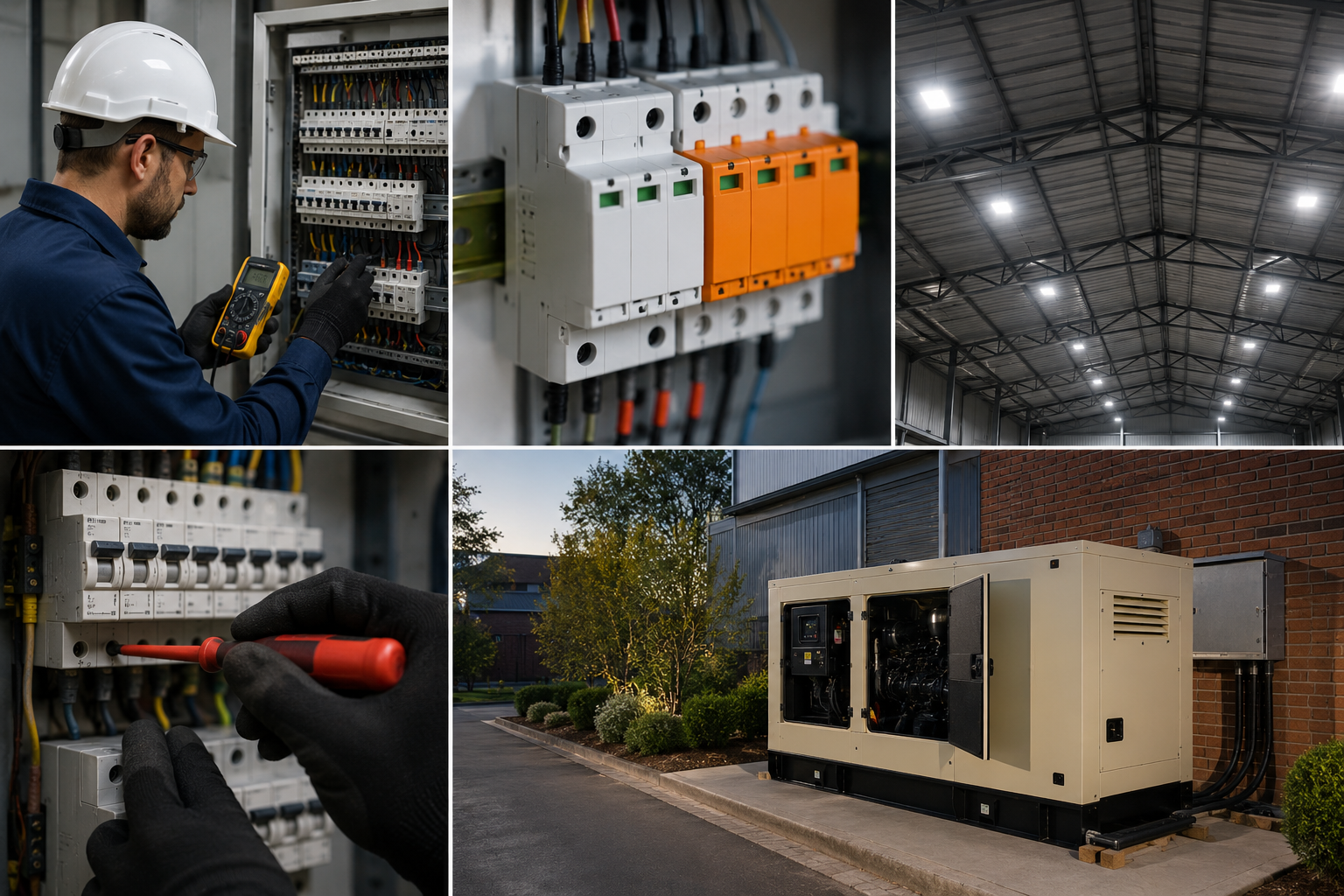
6 Strategic Power Investments That Improve Asset Reliability
In today’s fast-moving residential, commercial, and industrial environments, reliable electrical infrastructure has become more important than ever. Businesses depend on uninterrupted power to maintain productivity, homeowners rely on modern electrical systems to support everyday living, and facility managers require dependable infrastructure to protect assets and minimise downtime.
Yet despite how critical electrical systems are, many properties continue operating with ageing infrastructure, overloaded circuits, inefficient lighting systems, or limited backup protection. These hidden weaknesses often remain unnoticed until failures occur — resulting in costly repairs, operational disruptions, equipment damage, and reduced asset performance.
Asset reliability is no longer just about fixing problems when they happen. It is about making proactive, strategic power investments that improve long-term stability, efficiency, and resilience. Modern electrical upgrades not only improve day-to-day performance but also help properties adapt to increasing electrical demand, emerging technologies, and future energy requirements.
From smarter energy systems to preventative maintenance strategies, the right electrical investments can significantly reduce operational risk while improving the lifespan and reliability of valuable infrastructure.
Here are 6 strategic power investments that improve asset reliability and long-term electrical performance.
1. Modern Switchboard Upgrades
The switchboard is the heart of any electrical system. It controls how electricity is distributed throughout a property and provides critical protection against overloads, faults, and electrical hazards.
However, many older properties still operate with outdated switchboards that were never designed for modern electrical demand.
Why Older Switchboards Create Reliability Issues
Modern properties now support:
- Air conditioning systems
- Smart technologies
- EV chargers
- Large appliances
- Data infrastructure
- Commercial machinery
- Advanced lighting systems
Older switchboards often struggle to safely manage these increasing loads.
Common Problems With Outdated Switchboards
- Frequent breaker trips
- Overloaded circuits
- Poor fault protection
- Limited expansion capacity
- Increased fire risk
- Voltage instability
How Switchboard Upgrades Improve Reliability
Upgrading a switchboard provides:
- Improved circuit protection
- Better load distribution
- Increased electrical capacity
- Enhanced safety systems
- Greater reliability for connected equipment
Modern switchboards also allow easier integration of future technologies such as solar systems, battery storage, smart automation, and EV charging infrastructure.
Long-Term Value
Switchboard upgrades are one of the most important investments property owners can make to support long-term electrical performance and infrastructure reliability.
2. Preventative Electrical Maintenance Programs
One of the biggest mistakes property owners make is waiting for electrical systems to fail before taking action.
Reactive maintenance often leads to:
- Emergency callouts
- Expensive repairs
- Equipment damage
- Unexpected downtime
- Operational disruption
Preventative electrical maintenance takes the opposite approach by identifying issues early before they become major failures.
What Preventative Maintenance Includes
- Thermal imaging inspections
- Circuit testing
- Switchboard inspections
- Load analysis
- Fault detection
- Cable inspections
- Safety testing
Why Preventative Maintenance Improves Asset Reliability
Electrical issues often develop gradually over time. Loose connections, overloaded circuits, deteriorating wiring, and failing components can all remain hidden until serious problems occur.
Routine maintenance helps identify these issues early, allowing repairs to be completed before system failure happens.
Benefits of Preventative Maintenance
- Reduced downtime
- Lower repair costs
- Improved equipment lifespan
- Better energy efficiency
- Enhanced safety
- Reduced fire risk
The Financial Advantage
Preventative maintenance is typically far more cost-effective than emergency repairs or replacing damaged infrastructure after a failure occurs.
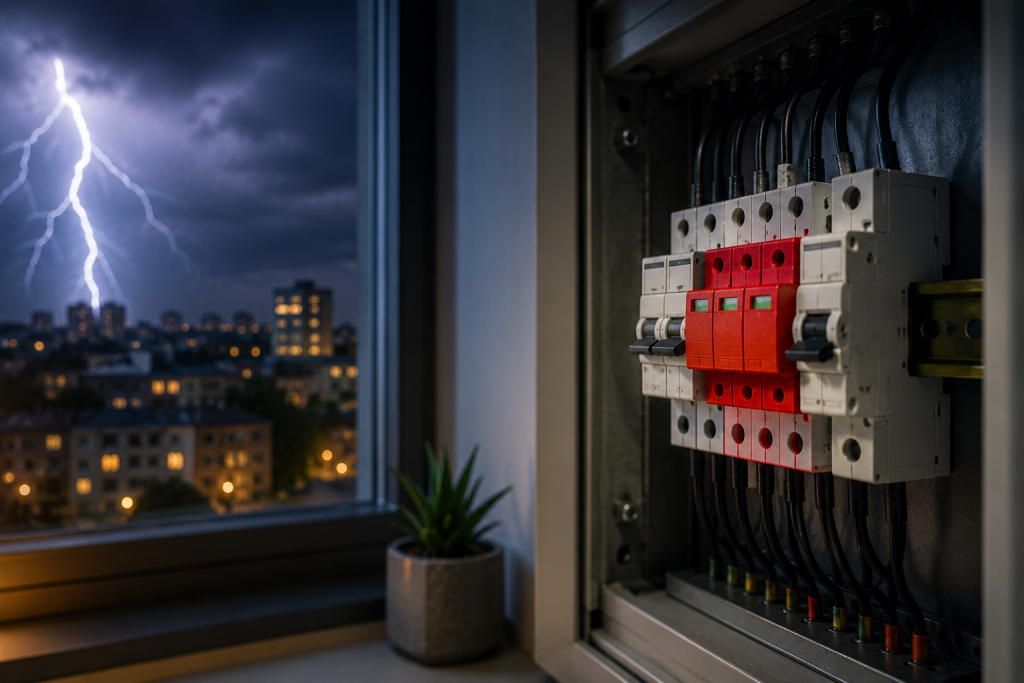
3. Surge Protection Systems
Power surges are one of the most underestimated threats to electrical reliability.
Even small voltage spikes can slowly damage electrical equipment over time, reducing performance and shortening equipment lifespan. Larger surges can destroy sensitive electronics instantly.
Common Causes of Power Surges
- Storm activity
- Utility network switching
- Faulty appliances
- Grid disturbances
- Large equipment cycling on and off
Why Modern Properties Are More Vulnerable
Today’s properties rely heavily on sensitive technology including:
- Computers
- Smart home systems
- Security systems
- Servers
- Data networks
- Automation systems
- Commercial equipment
These systems are far more susceptible to voltage fluctuations than older electrical equipment.
How Surge Protection Improves Reliability
Surge protection devices help shield electrical systems from sudden voltage spikes before they can damage connected infrastructure.
Key Benefits
- Protection for sensitive equipment
- Reduced repair costs
- Lower risk of system failure
- Extended equipment lifespan
- Improved operational stability
A Smart Long-Term Investment
For businesses and homeowners relying on expensive electronics and connected technologies, surge protection is an essential reliability investment rather than an optional extra.
4. Energy-Efficient Lighting Upgrades
Lighting systems play a much larger role in asset reliability than many people realise.
Older lighting technologies often consume excessive energy, generate unnecessary heat, and require frequent maintenance or replacement.
Modern LED lighting systems offer significant improvements in efficiency, lifespan, and operational performance.
Problems With Older Lighting Systems
- High energy consumption
- Frequent globe replacement
- Excessive heat generation
- Inconsistent lighting performance
- Increased maintenance costs
How LED Lighting Improves Reliability
LED systems provide:
- Longer operating lifespan
- Reduced power consumption
- Lower maintenance requirements
- Improved lighting consistency
- Better system efficiency
Why Heat Reduction Matters
Excessive heat places strain on electrical systems and contributes to faster component deterioration over time. Energy-efficient lighting helps reduce overall system stress.
Additional Benefits
- Reduced operating costs
- Improved workplace productivity
- Enhanced property presentation
- Better environmental performance
Modern lighting upgrades are both an operational improvement and a strategic infrastructure investment.
5. Backup Power and Generator Systems
Power outages can have major consequences for both homes and businesses.
For commercial facilities, downtime can result in:
- Revenue loss
- Operational disruption
- Data loss
- Equipment shutdowns
- Security risks
For residential properties, outages can impact:
- Home security
- Refrigeration
- Communications
- Comfort systems
- Smart home technologies
Why Backup Systems Improve Reliability
Backup generators and emergency power systems provide continuity during outages and network interruptions.
Common Backup Power Applications
- Commercial buildings
- Healthcare facilities
- Apartment complexes
- Data centres
- Industrial sites
- Residential properties
Key Benefits
- Reduced downtime
- Improved operational continuity
- Protection for sensitive systems
- Enhanced emergency preparedness
- Increased infrastructure resilience
Modern Backup Solutions
Today’s backup systems can integrate with:
- Automatic transfer switches
- Smart monitoring systems
- Solar systems
- Battery storage solutions
This creates a more reliable and future-ready power infrastructure.
6. Smart Energy Monitoring Systems
One of the most effective ways to improve asset reliability is understanding how electrical systems actually perform in real time.
Smart monitoring systems allow property owners to track electrical usage, identify abnormalities, and detect inefficiencies before they become major problems.
What Smart Monitoring Can Detect
- Unusual energy spikes
- Overloaded circuits
- Voltage fluctuations
- Equipment inefficiencies
- Peak demand patterns
Why This Improves Reliability
Without visibility into electrical performance, many issues remain hidden until system failure occurs.
Smart monitoring provides early warning signs that allow proactive intervention before equipment damage or outages happen.
Benefits of Smart Monitoring
- Better load management
- Reduced operational risk
- Improved efficiency
- Lower maintenance costs
- Data-driven infrastructure planning
Supporting Future Growth
As electrical demand increases, monitoring systems help properties adapt more effectively while maintaining stable performance.
Why Strategic Electrical Investments Matter More Than Ever
Electrical infrastructure demand is increasing rapidly across homes and businesses.
Properties now rely on:
- Smart technologies
- EV charging systems
- Automation
- Renewable energy integration
- Data infrastructure
- High-powered appliances and equipment
Older electrical systems were often never designed to handle these modern requirements.
Strategic upgrades help ensure electrical infrastructure remains:
- Safe
- Reliable
- Efficient
- Scalable
- Future-ready
The Cost of Ignoring Infrastructure Reliability
Delaying electrical upgrades or maintenance can eventually lead to:
- Expensive emergency repairs
- Operational downtime
- Equipment replacement
- Reduced property performance
- Safety risks
- Insurance complications
In many cases, proactive investment costs far less than reactive repairs after system failure occurs.
Reliable electrical infrastructure should be viewed as a long-term asset rather than a short-term expense.
How Modern Electrical Systems Support Business Performance
For commercial properties and facilities, reliable power infrastructure directly impacts operational success.
Reliable systems help businesses:
- Maintain productivity
- Reduce downtime
- Protect sensitive equipment
- Improve energy efficiency
- Support future expansion
Modern electrical planning also improves tenant satisfaction, property value, and long-term operational stability.
The Role of Professional Electrical Expertise
Strategic electrical investments should always be guided by qualified professionals who understand:
- Load management
- Compliance standards
- Infrastructure scalability
- Safety requirements
- Future energy trends
Professional electrical planning helps property owners make informed decisions that improve both immediate performance and long-term reliability.
How Spectra Electrical Can Help
At Spectra Electrical, we help homeowners, businesses, strata properties, and commercial facilities across Sydney improve electrical reliability through safe, efficient, and future-focused electrical solutions.
With over 20 years of industry experience, our team provides services including:
- Switchboard upgrades
- Preventative maintenance
- Surge protection installation
- Energy-efficient lighting upgrades
- EV charger installation
- Smart electrical systems
- Commercial electrical services
- Level 2 electrical infrastructure services
We focus on delivering reliable workmanship, strong communication, and practical electrical solutions designed to support long-term performance and operational stability.
Final Thoughts
Reliable electrical infrastructure is no longer optional in today’s technology-driven environment.
These 6 strategic power investments demonstrate how proactive electrical planning can improve asset reliability, reduce operational risk, and support long-term property performance.
From switchboard upgrades and surge protection to preventative maintenance and smart monitoring systems, investing in modern electrical infrastructure helps protect both people and property while reducing costly future disruptions.
As electrical demand continues to grow, properties that prioritise reliability today will be far better prepared for the challenges and opportunities of tomorrow.