
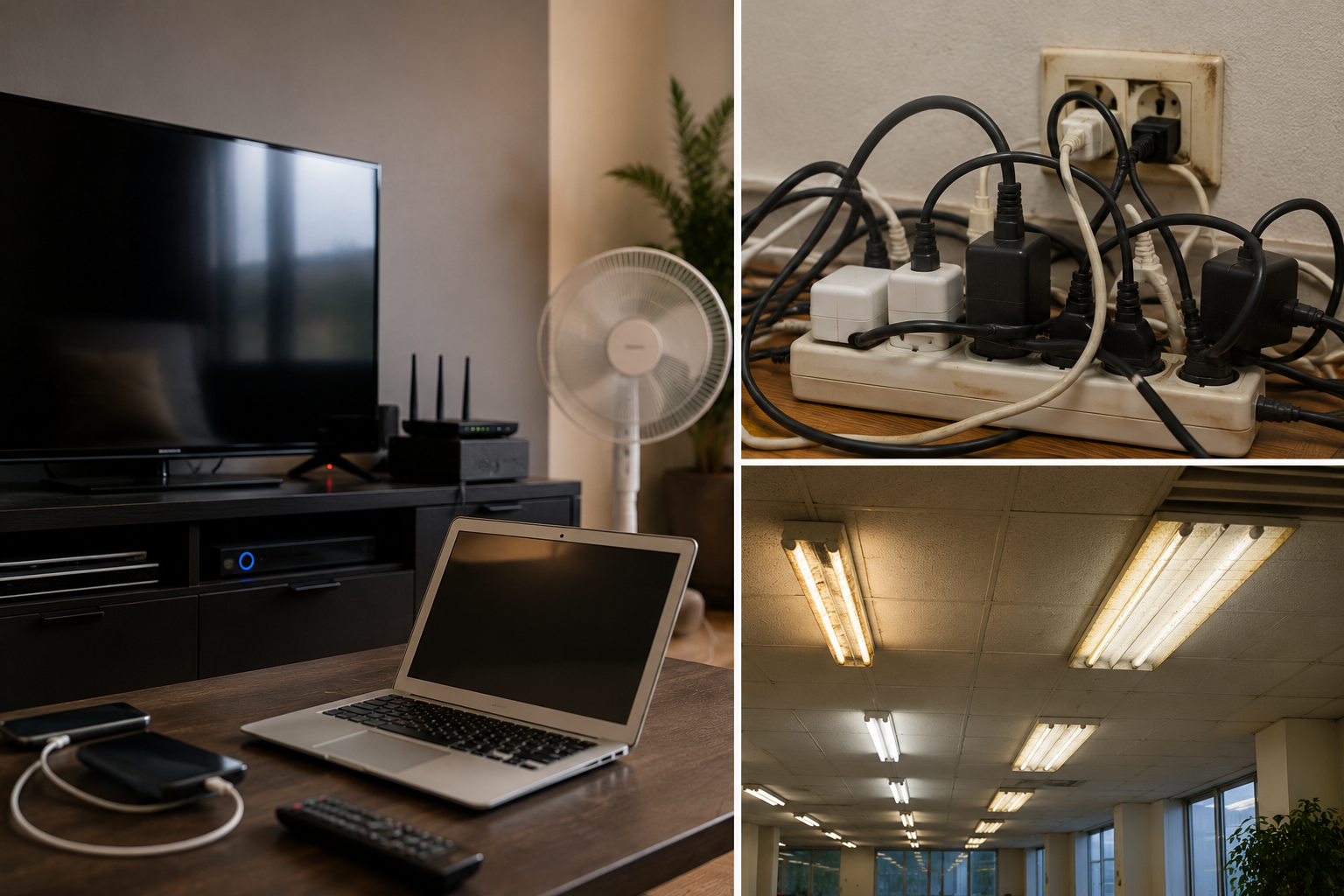
7 Costly Energy Habits That Hurt Sustainability Goals
Sustainability is no longer just a buzzword. Across Australia, homeowners, businesses, facility managers, and property owners are increasingly looking for ways to reduce their environmental impact while improving operational efficiency and lowering energy costs.
While many people focus on major sustainability initiatives such as solar panels, electric vehicles, and energy-efficient appliances, the reality is that everyday energy habits often have a significant influence on overall energy consumption. In many cases, seemingly harmless behaviours can undermine sustainability goals, increase electricity costs, and place unnecessary strain on electrical infrastructure.
The good news is that identifying and correcting inefficient energy habits is often one of the fastest and most cost-effective ways to improve sustainability outcomes. Small changes can create meaningful long-term benefits for both the environment and your budget.
Here are seven costly energy habits that may be hurting your sustainability goals more than you realise.
1. Leaving Appliances Running When They Aren’t Needed
The Hidden Cost of Idle Energy Use
Many homes and businesses leave electrical equipment running long after it is required. Devices such as televisions, monitors, office equipment, entertainment systems, and kitchen appliances often remain powered on even when they are not actively being used.
While a single device may consume only a small amount of electricity, the combined impact across an entire property can be significant.
How It Impacts Sustainability
Unnecessary energy consumption increases:
- Electricity usage
- Carbon emissions
- Operating costs
- Demand on electrical infrastructure
Over time, these small inefficiencies can contribute to a much larger environmental footprint.
A Smarter Approach
Developing the habit of switching off equipment when it is not needed can reduce waste and improve overall energy efficiency without affecting comfort or productivity.
2. Relying on Outdated Lighting Systems
Older Lighting Consumes More Energy
Lighting remains one of the most frequently used electrical systems in both residential and commercial properties.
Many buildings still operate older lighting technologies that consume significantly more electricity than modern alternatives.
Why It Matters
Outdated lighting often:
- Uses more power
- Generates excess heat
- Requires more frequent replacement
- Delivers lower efficiency
This creates unnecessary energy waste and increases operational costs.
The Sustainability Advantage of Modern Lighting
Energy-efficient LED lighting can significantly reduce electricity consumption while improving lighting quality, reliability, and lifespan.
Lighting upgrades are often one of the easiest sustainability improvements available.
3. Ignoring Energy Monitoring and Consumption Data
You Can’t Improve What You Don’t Measure
One of the biggest barriers to sustainability is simply not understanding how energy is being used.
Many property owners only review electricity usage when they receive their energy bill.
The Problem With Guesswork
Without proper visibility, it becomes difficult to identify:
- High-consumption equipment
- Peak demand periods
- Inefficient operating patterns
- Hidden energy waste
As a result, opportunities for improvement often go unnoticed.
Why Monitoring Matters
Modern energy monitoring systems provide real-time insights that help property owners make informed decisions about reducing consumption and improving efficiency.
Greater awareness often leads directly to better sustainability outcomes.
4. Overloading Older Electrical Systems
Modern Demand Is Increasing
Today’s homes and businesses use more electrical devices than ever before.
Common additions include:
- Smart home systems
- EV chargers
- Security systems
- Air conditioning units
- Home office equipment
- Connected technologies
Many older electrical systems were never designed to support these demands.
Sustainability Consequences
When electrical systems become overloaded, they often operate less efficiently and may experience:
- Increased energy losses
- Reduced equipment performance
- Higher maintenance requirements
- Premature infrastructure wear
Future-Focused Infrastructure
Upgrading electrical systems to suit modern energy demands helps improve efficiency while supporting long-term sustainability objectives.
5. Neglecting Preventative Electrical Maintenance
Small Problems Often Become Big Ones
Electrical systems naturally experience wear and tear over time.
Without regular inspections and maintenance, small issues may develop into larger problems that negatively affect energy performance.
Common Examples
Neglected maintenance can contribute to:
- Loose connections
- Deteriorating wiring
- Faulty equipment
- Reduced system efficiency
- Increased energy consumption
Sustainability Benefits of Maintenance
Preventative maintenance helps ensure electrical systems operate efficiently, safely, and reliably throughout their lifespan.
Well-maintained infrastructure typically consumes less energy and experiences fewer disruptions.
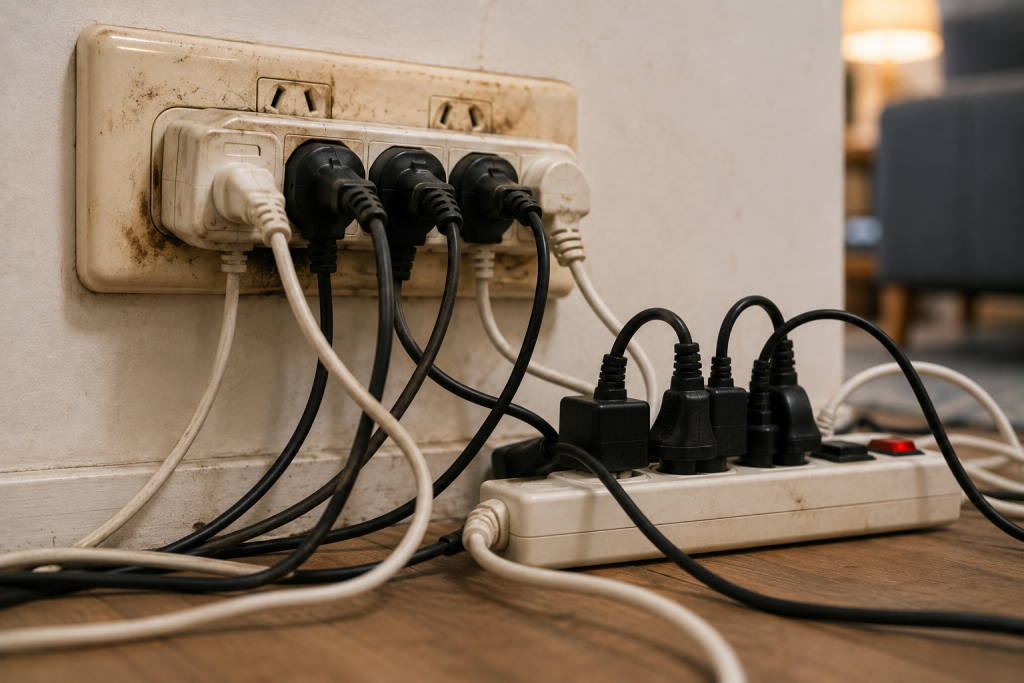
6. Treating Power Boards as Permanent Solutions
Convenience Can Create Inefficiency
Power boards are often used to compensate for a lack of available power points.
While useful in the short term, relying on them as a permanent solution may indicate that a property’s electrical infrastructure is no longer meeting its needs.
Why This Can Hurt Sustainability Goals
Overloaded power boards and poorly distributed electrical loads can contribute to:
- Reduced efficiency
- Increased heat generation
- Equipment strain
- Higher energy consumption
A Better Long-Term Strategy
Installing additional power points and optimising circuit distribution allows electrical systems to operate more effectively while supporting future energy demands.
7. Delaying Energy-Efficient Electrical Upgrades
Waiting Can Be Expensive
Many property owners postpone electrical improvements until a system fails or a major problem occurs.
Unfortunately, this approach often results in missed opportunities to improve efficiency and reduce consumption.
Commonly Delayed Upgrades
Examples include:
- Switchboard upgrades
- LED lighting conversions
- Smart automation systems
- EV charging infrastructure
- Energy monitoring systems
- Surge protection devices
Long-Term Sustainability Benefits
Proactive upgrades help properties:
- Reduce electricity consumption
- Improve reliability
- Support future technologies
- Lower operating costs
- Reduce environmental impact
Investing early often delivers both financial and sustainability benefits.
Why These Habits Matter
Many sustainability discussions focus on major projects and emerging technologies.
While these initiatives are important, everyday energy habits often have an equally significant impact.
Small inefficiencies repeated daily can result in substantial waste over time.
By addressing common energy habits, property owners can:
- Improve efficiency
- Reduce electricity costs
- Lower carbon emissions
- Extend equipment lifespan
- Support sustainability targets
The cumulative effect of these improvements can be considerable.
Future-Proofing Your Property for Sustainable Energy Use
As energy demands continue to evolve, electrical infrastructure must adapt accordingly.
Modern properties increasingly rely on:
- Smart automation
- Renewable energy integration
- Electric vehicle charging
- Advanced security systems
- Data and communications infrastructure
Future-proofing involves more than simply adding new technology. It requires ensuring the underlying electrical systems can support these innovations efficiently and reliably.
Strategic upgrades, ongoing maintenance, and improved energy awareness help create a foundation for long-term sustainability success.
Properties that proactively invest in efficient electrical infrastructure are often better positioned to adapt to future energy requirements while maintaining lower operating costs.
How Spectra Electrical Can Help
At Spectra Electrical, we help homeowners, businesses, strata properties, and facility managers across Sydney improve energy efficiency and support their sustainability goals through modern electrical solutions.
With more than 20 years of industry experience, our team provides services including:
- Energy-efficient lighting upgrades
- Smart energy monitoring systems
- Switchboard upgrades
- EV charger installations
- Smart home automation
- Preventative electrical maintenance
- Commercial electrical services
- Data and communications infrastructure
- Level 2 electrical services
Our focus is on delivering practical, future-ready electrical solutions that help clients reduce energy waste, improve efficiency, and maximise the performance of their electrical systems.
Final Thoughts
Achieving sustainability goals doesn’t always require major investments or large-scale infrastructure projects.
Often, the most meaningful improvements begin by addressing everyday habits that contribute to unnecessary energy consumption and inefficiency.
By avoiding these seven costly energy habits, property owners can improve energy awareness, reduce electricity costs, support environmental objectives, and create more efficient electrical systems.
Small changes made consistently can deliver significant long-term benefits, helping homes and businesses operate more sustainably while preparing for the energy demands of the future.