
5 Electrical Constraints That Limit Smart Home Performance
Smart homes are rapidly becoming the standard for modern living across Australia. From intelligent lighting systems and automated climate control to smart security, voice assistants, energy monitoring, and connected appliances, homeowners are embracing technology that offers greater convenience, efficiency, and control.
However, while many people focus on the latest smart devices, they often overlook the electrical infrastructure required to support them. A smart home is only as effective as the electrical system behind it. If the underlying infrastructure is outdated, overloaded, or poorly designed, even the most advanced smart technology can struggle to perform as intended.
Many homeowners invest thousands of dollars into smart home upgrades only to experience connectivity issues, unreliable performance, power interruptions, or limitations when attempting to expand their systems in the future.
Understanding the electrical constraints that can impact smart home performance is essential for creating a reliable, efficient, and future-ready property.
Here are 5 electrical constraints that limit smart home performance, and what can be done to overcome them.
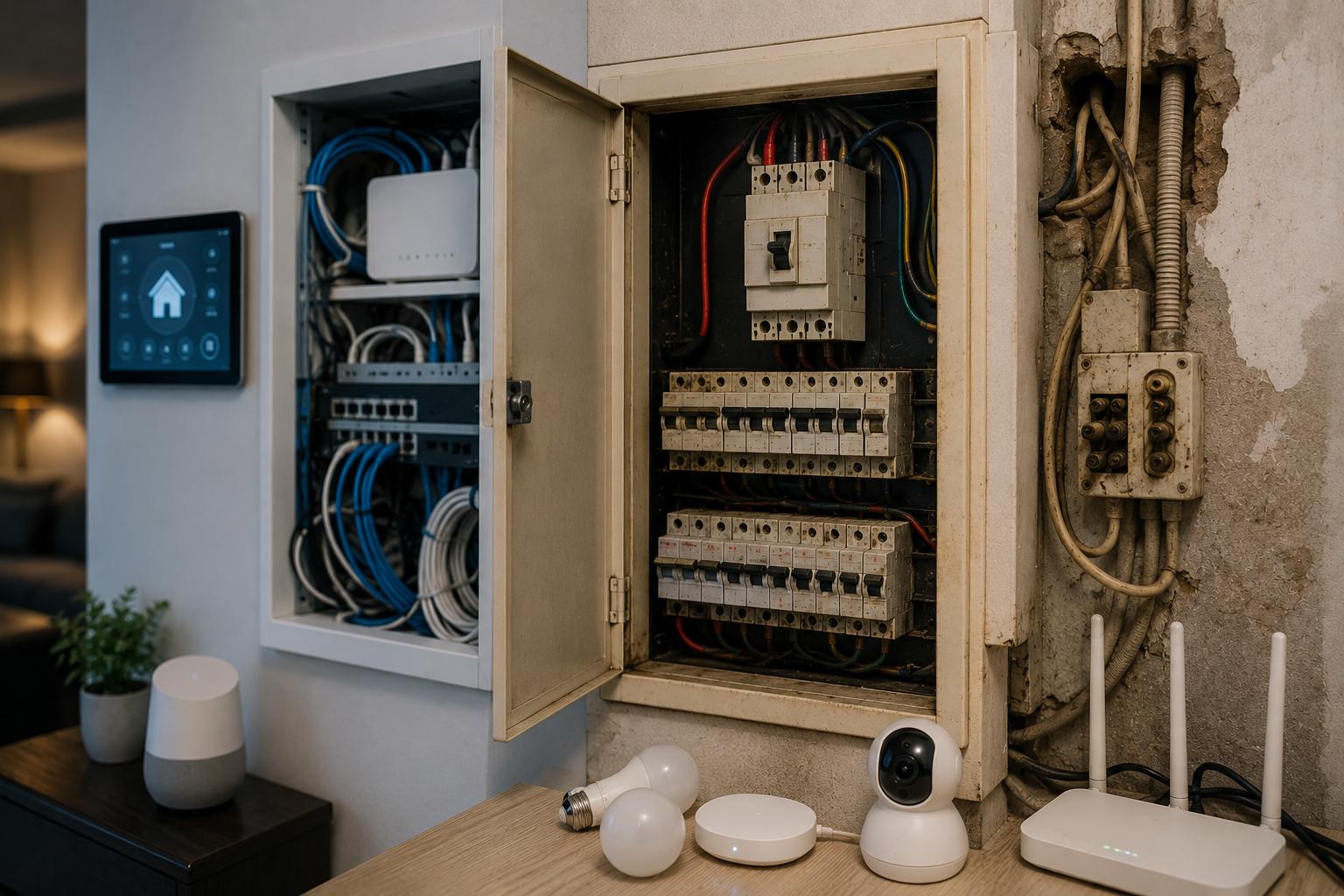
1. Outdated Switchboards That Cannot Support Modern Technology
The Foundation of Every Smart Home
The switchboard is the central hub of a property’s electrical system. Every smart device, appliance, lighting circuit, and connected technology ultimately relies on the switchboard to safely distribute power throughout the home.
Unfortunately, many Australian homes still operate with switchboards that were installed decades ago.
Why Older Switchboards Create Problems
Traditional switchboards were designed for a time when electrical demand was significantly lower. Homes simply did not have:
- Smart lighting systems
- Home automation platforms
- EV chargers
- Security cameras
- Smart appliances
- Multiple streaming devices
- Home office equipment
As these technologies are added, older switchboards can struggle to manage the increased electrical load.
The Impact on Smart Home Performance
An outdated switchboard may contribute to:
- Frequent breaker trips
- Power interruptions
- Reduced reliability
- Limited expansion opportunities
- Increased electrical stress
The Smart Solution
A modern switchboard upgrade provides improved protection, better capacity management, and greater flexibility for future smart home additions.
2. Insufficient Circuit Capacity
Modern Homes Use More Electricity Than Ever
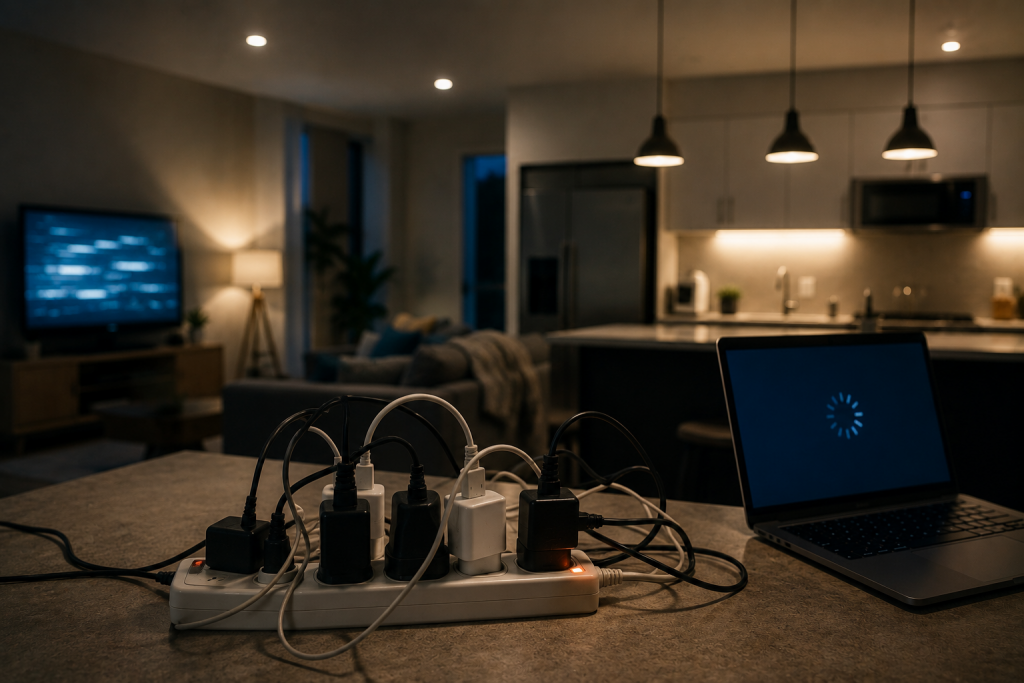
Smart homes often contain dozens of connected devices operating simultaneously.
Lighting systems, entertainment equipment, security systems, Wi-Fi networks, air conditioning units, EV chargers, and automated appliances all contribute to higher electrical demand.
What Happens When Capacity Is Limited?
Many older properties were wired with fewer circuits than today’s homes require.
When too many devices rely on the same circuits, homeowners may experience:
- Flickering lights
- Overloaded circuits
- Reduced device performance
- Tripped breakers
- Inconsistent operation
Why Smart Technology Suffers
Smart devices rely on stable power to operate correctly.
Electrical fluctuations caused by overloaded circuits can affect system reliability and potentially disrupt automation routines, connected devices, and smart controls.
Future-Proofing Electrical Capacity
Adding dedicated circuits for major loads and ensuring sufficient capacity throughout the property helps support both current and future smart technologies.
3. Ageing Electrical Wiring
Hidden Infrastructure Matters
While smart devices often receive the most attention, the wiring behind the walls plays a crucial role in overall system performance.
Older wiring may continue functioning, but it was not necessarily designed to support modern electrical demands.
Why Ageing Wiring Creates Limitations
Over time, wiring can deteriorate due to:
- Natural ageing
- Heat exposure
- Environmental factors
- Increased electrical loads
As wiring ages, efficiency and reliability may decline.
Common Performance Issues
Ageing wiring can contribute to:
- Voltage fluctuations
- Electrical faults
- Reduced efficiency
- Inconsistent device operation
- Higher maintenance requirements
Supporting Smart Home Growth
Upgrading ageing wiring provides a stronger foundation for connected technology while improving overall electrical reliability and safety.
4. Inadequate Data and Communications Infrastructure
Smart Homes Depend on Connectivity
Many people associate smart homes purely with electrical systems, but data and communications infrastructure is equally important.
Modern smart home devices often rely on:
- Wi-Fi networks
- Structured cabling
- Data points
- Internet connectivity
- Network switches
Common Limitations
Properties with inadequate communications infrastructure may experience:
- Slow device response times
- Connectivity dropouts
- Security camera interruptions
- Poor automation performance
- Network congestion
Why This Affects User Experience
Even when smart devices are properly installed, poor connectivity can make a system feel unreliable.
Delayed responses, disconnected devices, and inconsistent automation reduce the overall effectiveness of a smart home.
Building a Reliable Connected Home
A well-designed communications network ensures devices communicate efficiently and perform consistently throughout the property.
5. Electrical Systems Not Designed for Emerging Technologies
The Smart Home Continues to Evolve
Technology is advancing rapidly, and today’s smart home may look very different in five years.
New technologies continue to emerge, including:
- Electric vehicle charging systems
- Home battery storage
- Advanced automation platforms
- Smart energy management systems
- Renewable energy integration
- Artificial intelligence-driven home controls
The Challenge of Planning Too Late
Many homeowners only consider infrastructure upgrades when new technology is ready to be installed.
This reactive approach often results in:
- Higher upgrade costs
- Installation limitations
- Reduced flexibility
- Additional disruption
Why Planning Ahead Matters
Homes designed with future expansion in mind can adapt more easily as technology evolves.
Forward-thinking electrical design helps avoid costly retrofits while creating a property that remains capable of supporting new innovations.
Future-Ready Infrastructure
Installing additional capacity, spare circuits, conduit pathways, and scalable electrical systems today can make future upgrades far simpler and more cost-effective.
Why These Constraints Matter
Smart homes promise convenience, efficiency, security, and improved control over everyday living.
However, achieving these benefits requires more than simply purchasing the latest devices.
Electrical infrastructure forms the foundation upon which smart technology operates. When that foundation is outdated, overloaded, or poorly planned, performance can suffer regardless of how advanced the devices themselves may be.
By addressing electrical constraints early, homeowners can enjoy:
- Greater system reliability
- Improved energy efficiency
- Better user experience
- Increased property value
- Enhanced future flexibility
The strongest smart homes are built on strong electrical foundations.
Future-Proofing Your Smart Home
As smart technology continues to evolve, electrical systems must evolve alongside it.
Future-ready homes should consider:
- Switchboard capacity
- Dedicated circuits
- Data cabling infrastructure
- EV charging readiness
- Energy monitoring systems
- Smart lighting controls
- Renewable energy integration
Taking a proactive approach allows homeowners to accommodate future technologies without major disruptions or unexpected upgrade costs.
Future-proofing is not about predicting every new technology—it is about creating an electrical infrastructure that can adapt as new opportunities emerge.
How Spectra Electrical Can Help
At Spectra Electrical, we help homeowners across Sydney create smarter, safer, and more future-ready properties through professional electrical solutions.
With over 20 years of industry experience, our team provides services including:
- Smart home automation systems
- Switchboard upgrades
- EV charger installations
- Data and communications cabling
- Energy monitoring systems
- Lighting upgrades
- Electrical renovations
- Preventative electrical maintenance
- Level 2 electrical services
Whether you’re building a new smart home or upgrading an existing property, we can help ensure your electrical infrastructure is prepared to support today’s technology and tomorrow’s innovations.
Final Thoughts
Smart home technology can deliver remarkable improvements in convenience, efficiency, security, and energy management. However, even the most advanced devices depend on reliable electrical infrastructure to perform effectively.
Outdated switchboards, limited circuit capacity, ageing wiring, inadequate communications networks, and poor future planning are all constraints that can limit smart home performance.
By addressing these issues proactively, homeowners can maximise the value of their smart technology investments while creating a property that remains adaptable, efficient, and reliable for years to come.
A truly smart home starts with a smart electrical foundation.