
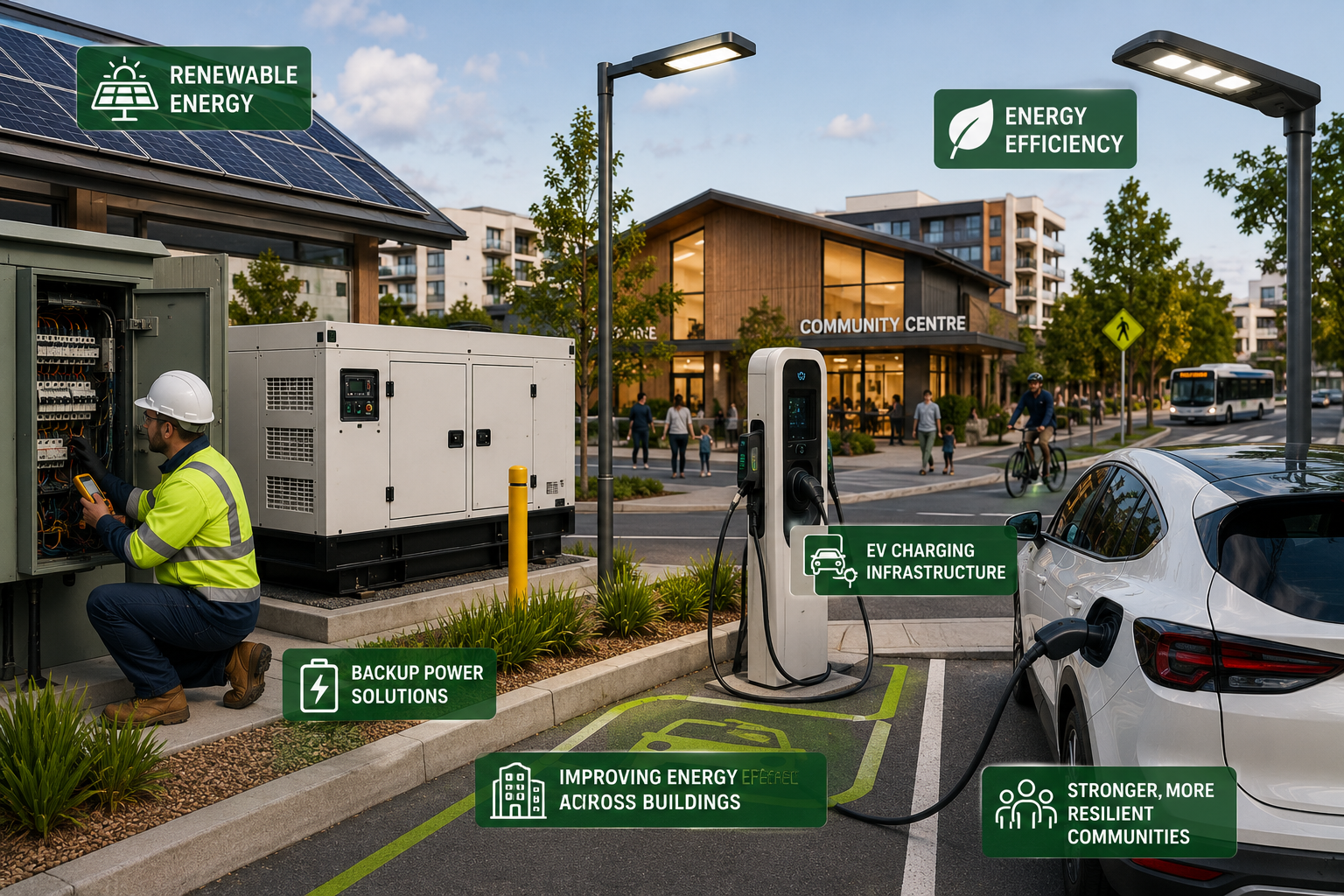
8 Strategic Power Moves That Strengthen Community Resilience
Communities rely on electricity more than ever before. From homes and schools to healthcare facilities, businesses, transport infrastructure, and emergency services, reliable electrical systems play a vital role in keeping society functioning smoothly.
As Australia continues to experience growing energy demands, extreme weather events, technological advancements, and changing sustainability expectations, community resilience has become an increasingly important focus. Community resilience refers to the ability of neighbourhoods, businesses, organisations, and public infrastructure to withstand disruptions, recover quickly, and continue operating effectively during challenging circumstances.
Electrical infrastructure sits at the centre of this resilience. Strategic investments in electrical systems can improve reliability, reduce downtime, strengthen safety, and help communities adapt to future demands.
Whether you’re a homeowner, business owner, strata manager, facility manager, builder, or local organisation, understanding the role of electrical infrastructure in community resilience can help guide smarter long-term decisions.
Here are 8 strategic power moves that strengthen community resilience and support a more reliable future.
1. Modernising Ageing Electrical Infrastructure
Why Ageing Infrastructure Creates Vulnerabilities
Many Australian properties still rely on electrical systems installed decades ago. While these systems may continue operating, they were often designed for a very different level of electrical demand.
Modern communities rely heavily on:
- Smart technology
- Home offices
- Air conditioning systems
- EV chargers
- Security infrastructure
- Digital communications
As electrical demand increases, ageing infrastructure can become a weak point.
Long-Term Community Benefits
Upgrading ageing infrastructure helps deliver:
- Improved reliability
- Greater electrical capacity
- Reduced fault risks
- Better support for future technologies
- Enhanced public and private asset protection
Communities with stronger electrical foundations are often better equipped to adapt to future growth.
2. Investing in Backup Power Solutions
Power Outages Can Impact Entire Communities
Electrical outages affect more than individual properties. They can disrupt businesses, healthcare services, communications, and essential community operations.
Backup power systems provide an additional layer of protection when unexpected interruptions occur.
Common Backup Power Options
Examples include:
- Standby generators
- Battery storage systems
- Emergency power systems
- Essential services backup infrastructure
Strengthening Resilience Through Reliability
Backup power solutions help communities maintain critical operations during outages while reducing disruption and recovery time.
3. Expanding Electric Vehicle Charging Infrastructure
Preparing for Australia’s Energy Transition
Electric vehicle adoption continues to accelerate across Australia.
As more households and businesses transition to electric transport, accessible charging infrastructure becomes increasingly important.
Supporting Future Mobility
Strategically installed EV charging systems can support:
- Residential communities
- Commercial properties
- Public facilities
- Workplace environments
- Strata developments
Building More Adaptable Communities
Communities that proactively prepare for transport electrification are often better positioned to support future population and technology growth.
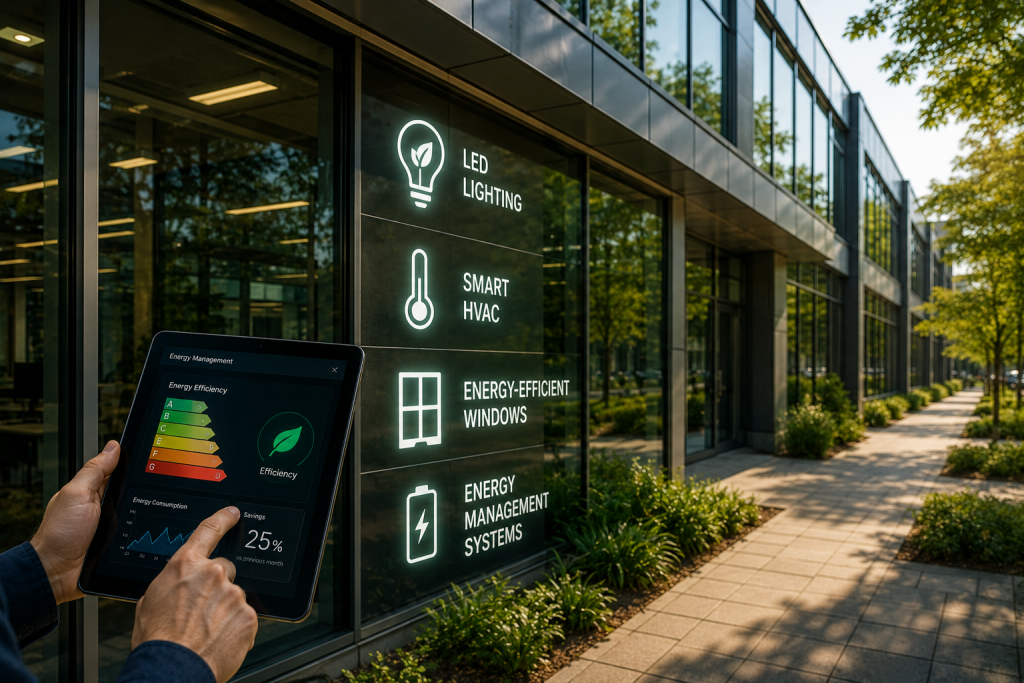
4. Improving Energy Efficiency Across Buildings
Reducing Demand Without Reducing Performance
One of the most effective ways to strengthen resilience is to reduce unnecessary energy consumption.
Energy-efficient systems help lower demand while maintaining or improving functionality.
Key Opportunities
Examples include:
- LED lighting upgrades
- Smart controls
- Energy monitoring systems
- Efficient HVAC integration
- Automated lighting management
Community-Wide Benefits
Improved energy efficiency can contribute to:
- Lower operating costs
- Reduced environmental impact
- Improved infrastructure performance
- Better long-term sustainability
Efficient communities place less strain on electrical networks while improving overall resilience.
5. Implementing Preventative Electrical Maintenance Programs
Prevention Is More Effective Than Reaction
Many electrical failures develop gradually over time.
Without regular maintenance, small issues can eventually lead to significant disruptions.
What Preventative Maintenance Can Identify
Routine inspections often uncover:
- Loose electrical connections
- Overloaded circuits
- Equipment deterioration
- Switchboard issues
- Emerging faults
Why Maintenance Strengthens Communities
Proactive maintenance helps reduce:
- Unexpected outages
- Costly repairs
- Equipment failures
- Safety risks
Reliable infrastructure begins with consistent maintenance practices.
6. Strengthening Data and Communications Infrastructure
Connectivity Is Now Essential Infrastructure
Modern communities rely heavily on digital communications.
Many critical systems depend on strong network performance, including:
- Security systems
- Emergency communications
- Building automation
- Business operations
- Remote work environments
The Risk of Inadequate Infrastructure
Poor communications infrastructure can create:
- Service interruptions
- Reduced productivity
- Limited scalability
- Connectivity issues
Building Connected Communities
Investing in communications infrastructure supports stronger operational resilience and improved technology integration.
7. Supporting Renewable Energy Integration
Energy Systems Are Evolving
Renewable energy technologies continue to play a larger role in Australia’s energy landscape.
Properties are increasingly incorporating:
- Solar systems
- Battery storage
- Energy management systems
- Smart monitoring technologies
Why Integration Matters
Well-planned renewable energy integration can improve:
- Energy independence
- Cost management
- Sustainability outcomes
- Long-term resilience
Future-Proofing Communities
Communities that embrace renewable technologies often gain greater flexibility in responding to changing energy conditions.
8. Planning Electrical Infrastructure for Future Growth
Demand Will Continue to Increase
One of the most common mistakes property owners make is designing electrical systems solely around current requirements.
Future demand often exceeds initial expectations.
Technologies Driving Growth
Future electrical demand may include:
- EV charging systems
- Smart homes
- Battery storage
- Advanced automation
- Security networks
- Electrified building systems
The Value of Strategic Planning
Future-focused electrical planning can help:
- Reduce upgrade costs
- Improve flexibility
- Minimise disruption
- Support long-term growth
Resilient communities are built on infrastructure designed to adapt.
Why Community Resilience Matters
Community resilience extends beyond responding to emergencies.
It also involves creating infrastructure capable of supporting growth, adapting to technological change, and maintaining reliable operation under increasing demand.
Strong electrical infrastructure helps communities:
- Recover faster from disruptions
- Support economic growth
- Improve public safety
- Enhance sustainability
- Increase reliability
As Australia continues to modernise, resilient electrical systems will play an increasingly important role in supporting everyday life.
The Connection Between Electrical Infrastructure and Community Strength
Every community depends on a network of interconnected electrical assets.
When infrastructure performs reliably, communities benefit from:
Improved Business Continuity
Businesses can continue operating with fewer interruptions and reduced downtime.
Better Public Services
Reliable power supports schools, healthcare facilities, transport systems, and community organisations.
Greater Energy Security
Modern infrastructure helps reduce vulnerabilities and improve operational stability.
Enhanced Future Readiness
Communities can adapt more effectively to emerging technologies and changing energy demands.
Investing in electrical resilience today creates long-term benefits that extend far beyond individual properties.
How Spectra Electrical Can Help
At Spectra Electrical, we work with homeowners, businesses, strata managers, facility managers, builders, aged care facilities, commercial properties, and industrial clients across Sydney to deliver electrical solutions that support long-term resilience and reliability.
With more than 20 years of industry experience, our team provides:
- Switchboard upgrades
- Preventative electrical maintenance
- EV charger installations
- Backup generator systems
- Energy-efficient lighting upgrades
- Smart automation solutions
- Data and communications cabling
- Commercial electrical services
- Level 2 electrical services
We focus on helping clients create safer, more reliable, and future-ready electrical systems that support both current operations and future growth.
Final Thoughts
Strong communities depend on strong infrastructure, and electrical systems are a critical part of that foundation.
Modernising ageing infrastructure, investing in backup power, improving energy efficiency, supporting renewable energy, expanding EV charging capability, strengthening communications networks, implementing preventative maintenance, and planning for future growth are all strategic power moves that help build community resilience.
By taking a proactive approach to electrical infrastructure, communities can improve reliability, reduce risk, enhance sustainability, and position themselves for long-term success in an increasingly connected and energy-dependent world.