
6 Poor Power Decisions That Seem Cheap but Cost More Later
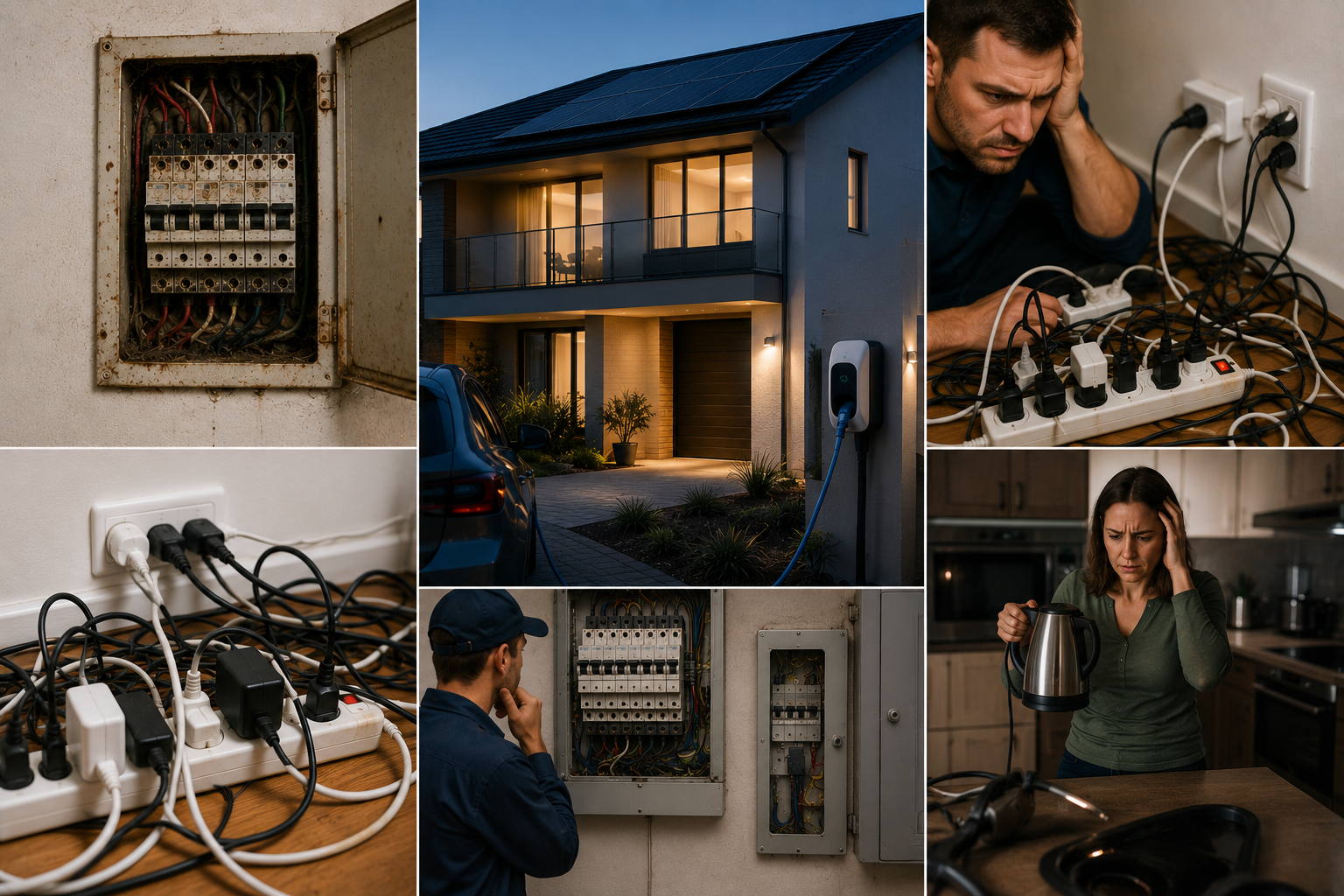
When it comes to managing a home’s electrical system, it’s easy to focus on immediate savings. After all, delaying an upgrade, choosing the cheapest option, or putting off maintenance can appear to save money in the short term. However, these seemingly cost-effective decisions often lead to much larger expenses down the track.
Electrical systems are the backbone of every modern Australian home. They power everything from lighting and kitchen appliances to home offices, entertainment systems, electric vehicle chargers, and smart home technology. As our reliance on electricity continues to grow, so does the importance of maintaining a safe, reliable, and future-ready electrical system.
Many of the most expensive electrical repairs don’t result from sudden failures. Instead, they develop gradually because of overlooked maintenance, ageing infrastructure, overloaded circuits, or temporary fixes that become permanent solutions.
Making smart electrical decisions today can help you avoid costly repairs, improve safety, increase energy efficiency, and protect your property’s long-term value.
Here are 6 poor power decisions that seem cheap but cost more later.
1. Delaying a Switchboard Upgrade
Why Older Switchboards Become a Problem
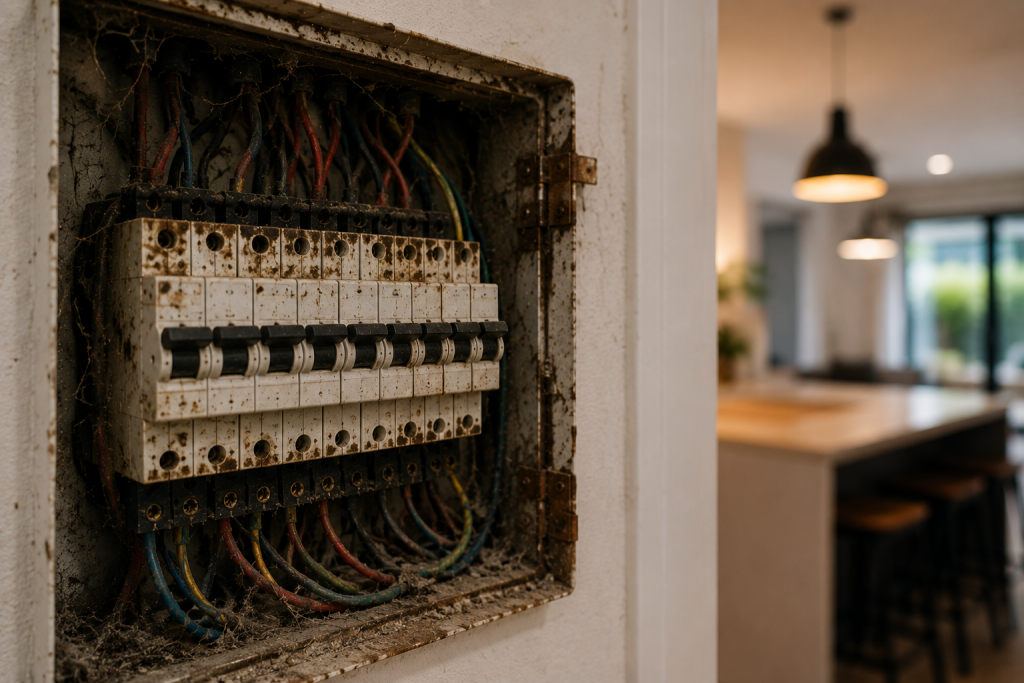
Your switchboard is responsible for safely distributing electricity throughout your home. Older switchboards were designed for a time when households had far fewer electrical appliances and much lower power demands.
Today, many homes regularly operate:
- Air conditioning systems
- Multiple televisions
- Home office equipment
- Electric ovens
- Smart home devices
- EV chargers
- High-powered kitchen appliances
An ageing switchboard may struggle to safely support these loads.
The Hidden Costs of Waiting
Postponing a switchboard upgrade can lead to:
- Frequent circuit breaker trips
- Reduced electrical reliability
- Difficulty adding new circuits
- Damage to electrical equipment
- Higher repair costs if faults develop
Investing in Long-Term Reliability
Upgrading your switchboard before problems arise provides greater electrical capacity, improved safety, and prepares your home for future technologies.
2. Using Power Boards as a Permanent Solution
Convenience Can Become a Safety Risk
Power boards are useful for temporarily powering multiple low-demand devices, but they’re often misused as a long-term substitute for installing additional power points.
As more appliances are plugged into a single outlet, the electrical load on that circuit increases.
Common Problems
Overloaded power boards may contribute to:
- Overheating
- Damaged plugs
- Frequent breaker trips
- Reduced appliance performance
- Increased fire risk
A Better Alternative
Installing additional professionally wired power points allows electrical loads to be distributed more safely while improving convenience throughout the home.
3. Ignoring Preventative Electrical Maintenance
Small Issues Become Expensive Repairs
Many homeowners assume that if their electrical system appears to be working normally, everything must be in good condition.
In reality, hidden electrical problems often develop slowly over many years.
What Routine Maintenance Can Detect
Professional inspections frequently uncover:
- Loose electrical connections
- Signs of overheating
- Ageing wiring
- Damaged safety switches
- Switchboard deterioration
- Overloaded circuits
The Financial Benefits
Preventative maintenance helps identify small issues before they become major repairs, reducing long-term maintenance costs while improving system reliability.
4. Choosing the Cheapest Electrical Repairs
Low Prices Can Come at a High Cost
When electrical problems arise, it can be tempting to choose the lowest quote available.
However, poor workmanship, low-quality materials, or incomplete repairs often create additional problems later.
Potential Consequences
Inferior electrical work may result in:
- Repeat call-outs
- Reduced system performance
- Increased maintenance costs
- Shortened equipment lifespan
- Safety concerns
Quality Is an Investment
Using experienced, licensed electricians ensures electrical work is completed safely, professionally, and in accordance with Australian Standards.
5. Failing to Plan for Future Electrical Demand
Homes Continue to Evolve
Modern households use considerably more electricity than they did even ten years ago.
Emerging technologies include:
- Electric vehicle charging
- Battery storage
- Smart home automation
- Solar integration
- Home offices
- Advanced security systems
Without planning ahead, homeowners often find themselves paying for multiple upgrades instead of completing one well-planned installation.
Why Future Planning Saves Money
Future-ready electrical systems:
- Reduce repeat installation costs
- Minimise disruption
- Improve property value
- Support expanding electrical needs
Think Beyond Today’s Requirements
Planning electrical infrastructure around future demand creates a home that can adapt as technology continues to evolve.
6. Overlooking Energy-Efficient Electrical Upgrades
Energy Waste Adds Up
Many homeowners continue using outdated electrical systems simply because they still function.
However, ageing lighting, inefficient controls, and older electrical equipment often consume significantly more electricity than modern alternatives.
Opportunities for Improvement
Examples include:
- LED lighting upgrades
- Motion sensor lighting
- Smart lighting controls
- Energy monitoring systems
- Smart home automation
Long-Term Savings
Energy-efficient upgrades help reduce electricity consumption while improving comfort, convenience, and overall property performance.
Why Cheap Electrical Decisions Often Become Expensive
Short-term savings can sometimes create long-term financial consequences.
What begins as delaying maintenance or postponing an upgrade may eventually lead to:
- Emergency electrical repairs
- Appliance damage
- Reduced energy efficiency
- Property disruption
- Larger infrastructure upgrades
- Higher labour costs
Taking a proactive approach almost always proves more economical than reacting after a failure occurs.
Building a More Reliable and Future-Ready Home
A well-maintained electrical system supports more than just reliable power—it contributes to comfort, safety, efficiency, and long-term property value.
Invest in Preventative Maintenance
Routine inspections help detect hidden issues before they become expensive repairs.
Upgrade Ageing Infrastructure
Modern switchboards, wiring, and safety devices provide stronger protection while supporting future electrical demand.
Improve Energy Efficiency
LED lighting, automation systems, and energy monitoring reduce unnecessary electricity consumption while enhancing everyday living.
Plan Ahead
Preparing your home for electric vehicles, renewable energy, and emerging technology avoids unnecessary repeat upgrades in the future.
These proactive decisions help create an electrical system that remains dependable for many years to come.
How Spectra Electrical Can Help
At Spectra Electrical, we believe the best electrical investment is one that prevents problems before they occur. For more than 20 years, we’ve been helping homeowners, builders, strata managers, commercial property owners, and facility managers across Sydney improve the safety, reliability, and efficiency of their electrical systems.
Our experienced electricians provide a comprehensive range of services, including:
- Switchboard upgrades
- Preventative electrical maintenance
- Electrical safety inspections
- LED lighting upgrades
- EV charger installations
- Smart home automation
- Whole-home surge protection
- Data and communications cabling
- Electrical fault finding
- Thermal imaging inspections
- Level 2 ASP services
Whether you’re renovating an existing property, building a new home, or simply looking to reduce long-term electrical costs, Spectra Electrical delivers tailored solutions designed to improve performance while protecting your investment.
Our proactive approach helps homeowners avoid unnecessary repairs, minimise downtime, and create electrical systems that are ready for the future.
Final Thoughts
Many poor electrical decisions appear inexpensive in the moment, but they often become far more costly over time. Delaying switchboard upgrades, relying on overloaded power boards, skipping preventative maintenance, choosing the cheapest repairs, failing to plan for future electrical demand, and overlooking energy-efficient upgrades can all lead to higher expenses and reduced system reliability.
By investing in quality workmanship, proactive maintenance, and strategic electrical upgrades, homeowners can improve safety, lower operating costs, increase property value, and enjoy greater peace of mind.
A modern electrical system isn’t simply about keeping the lights on—it’s about creating a safer, more efficient, and future-ready home that continues to perform reliably for years to come.