

11 Smart Ways to Storm-Proof Your Home’s Electrical System
Severe weather can put your home’s electrical system under pressure in ways you may not notice until something goes wrong. Heavy rain, lightning, strong winds, flooding and power interruptions can all create electrical hazards, particularly when a home’s electrical infrastructure is old, damaged or poorly maintained.
While no homeowner can completely storm-proof a property against every possible weather event, there are practical steps you can take to improve electrical safety and reduce the risk of avoidable damage.
Preparing before storm season is particularly important in areas where summer storms and severe weather are common. A proactive approach can help identify electrical problems before extreme weather exposes them.
From inspecting your switchboard and improving surge protection to checking outdoor electrical equipment, here are 11 smart ways to storm-proof your home’s electrical system.
1. Have Your Switchboard Professionally Inspected
Your switchboard is one of the most important parts of your home’s electrical system.
It distributes electricity throughout the property and contains protective devices designed to respond when electrical faults occur. If your switchboard is old, damaged or no longer suited to your home’s electrical demand, severe weather can make existing problems more noticeable.
Before storm season, consider having a licensed electrician inspect the switchboard and associated electrical infrastructure.
An inspection may identify concerns such as:
- Ageing components
- Damaged circuit protection
- Signs of heat damage
- Corrosion
- Poor labelling
- Inadequate protection
- Outdated equipment
This is particularly important if your home still has an older switchboard that has not been professionally assessed for many years.
2. Consider Appropriate Surge Protection
Electrical surges can occur for a variety of reasons, including disturbances on the electrical supply and lightning-related events.
Modern homes contain a large amount of sensitive electronic equipment, including televisions, computers, modems, security systems, smart home devices and appliances.
Appropriate surge protection can provide an additional layer of protection against certain transient electrical events.
However, surge protection should not be viewed as a guarantee that equipment cannot be damaged during a major storm.
A qualified electrician can assess your electrical installation and determine whether surge protection is appropriate and where it may be beneficial.
The right solution depends on the property’s electrical system and the type of equipment being protected.
3. Check Your Electrical Safety Switches
Safety switches play an important role in reducing the risk of electric shock by monitoring electrical current and disconnecting a circuit when certain faults are detected.
It’s important to understand that a safety switch and a circuit breaker perform different protective functions.
Before storm season, homeowners should know where their safety switches are located and understand how to use the test function where applicable.
If a safety switch doesn’t appear to operate correctly when tested, it should be assessed by a licensed electrician.
Safety switches should never be bypassed, removed or repeatedly reset when there is an unresolved electrical fault.
4. Inspect Outdoor Power Points and Electrical Equipment
Your home’s outdoor electrical equipment can be particularly exposed to harsh weather.
Outdoor power points, lighting, pumps, pool equipment, garden equipment and other electrical installations may be affected by moisture, dirt, corrosion and physical damage.
Before storm season, inspect outdoor electrical equipment for obvious signs of deterioration.
Look for:
- Cracked fittings
- Damaged covers
- Exposed cables
- Corrosion
- Water damage
- Loose components
- Signs of impact
Never use damaged electrical equipment outdoors.
If you notice a problem, have it professionally assessed rather than attempting a DIY repair.
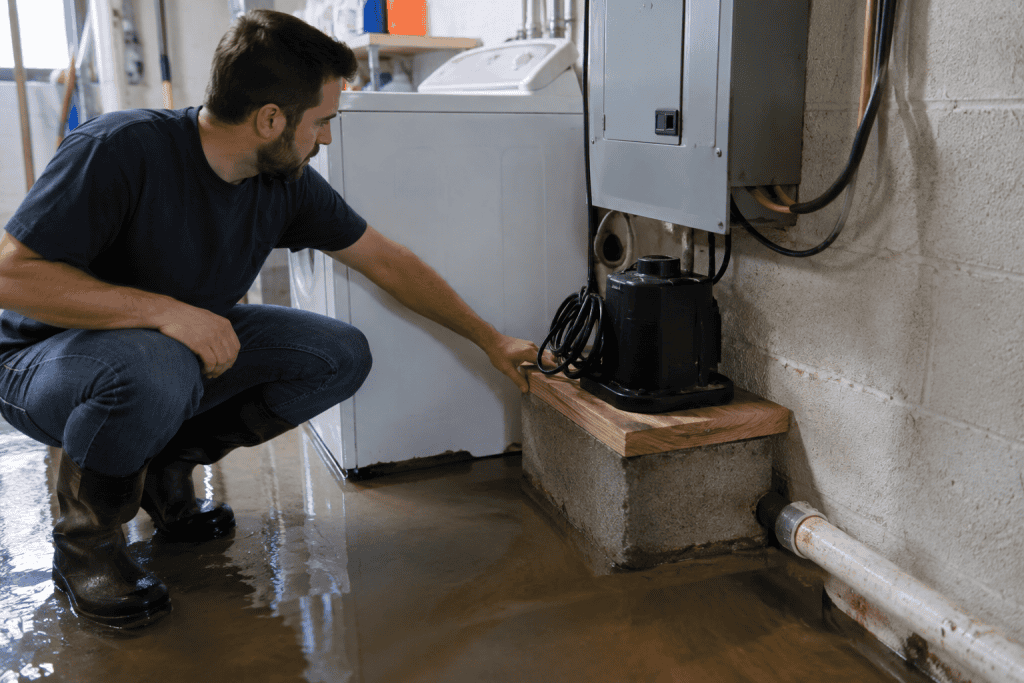
5. Keep Electrical Equipment Away From Water
Water and electricity are an extremely dangerous combination.
During severe storms, heavy rainfall and flooding can cause water to enter garages, sheds, outdoor areas and lower levels of homes.
Electrical appliances, extension leads, power boards and other equipment should be kept away from areas where water could reach them.
If an electrical appliance has been exposed to significant water or flooding, don’t assume it is safe simply because it appears dry.
Electrical equipment affected by water may require professional inspection before it is used again.
Never enter an area containing electrical equipment that may be energised and surrounded by floodwater.
6. Check Your Power Boards and Extension Leads
Storm preparation is also a good opportunity to review how your household uses power boards and extension leads.
Overloading power boards can increase electrical risks, particularly when high-demand appliances are connected.
This is especially relevant during periods of extreme weather when homeowners may be running:
- Fans
- Air conditioners
- Refrigerators
- Freezers
- Pumps
- Heaters
- Computers
- Entertainment equipment
Power boards should not be treated as a substitute for proper electrical circuits.
If you regularly rely on multiple power boards or extension leads because there aren’t enough power outlets in an area of your home, consider asking an electrician whether additional fixed outlets or dedicated circuits would provide a better solution.
7. Address Flickering Lights and Repeatedly Tripping Breakers
Storm preparation isn’t just about looking at equipment. It’s also about paying attention to warning signs.
If you’ve noticed flickering lights, unexplained power interruptions or circuit breakers that repeatedly trip, don’t ignore them.
These symptoms can have a range of causes, including electrical faults, overloaded circuits, faulty appliances or problems with connections.
Repeatedly resetting a breaker without investigating why it trips doesn’t solve the underlying issue.
The same applies to frequently operating safety switches.
Arrange professional electrical advice before storm season so that existing problems aren’t left unresolved when severe weather arrives.
8. Inspect the Condition of Your Electrical Cables
Electrical cables can deteriorate due to age, physical damage, environmental exposure and other factors.
Visible cabling around the home should be checked for obvious signs of damage, particularly in garages, sheds, outdoor areas and other locations where cables may be exposed.
Look for:
- Cracked insulation
- Frayed cables
- Exposed conductors
- Damage from animals
- Crushing or bending
- Water exposure
- Signs of overheating
Don’t attempt to repair damaged electrical cabling yourself.
Instead, isolate the affected equipment where it is safe to do so and have the issue assessed by a qualified electrical professional.
9. Secure Outdoor Electrical Equipment Before Strong Winds
Storm preparation also involves thinking about physical damage.
Strong winds can move or damage outdoor equipment, structures and objects around your property.
Electrical equipment such as temporary lighting, extension leads, portable appliances and other outdoor installations should be secured appropriately before severe weather arrives.
Loose objects can become projectiles during strong winds and potentially damage electrical infrastructure.
Trees and branches can also affect overhead electrical services and other external infrastructure.
Homeowners should never approach damaged overhead electrical lines or attempt to clear electrical infrastructure themselves. Contact the appropriate electricity provider or qualified professional when a storm damages electrical service equipment.
10. Prepare for Power Outages Without Creating New Electrical Risks
Power outages are a common concern during severe weather.
Many homeowners use portable generators or other backup equipment when electricity is interrupted. However, this equipment needs to be used safely.
One particularly important rule is never to connect a portable generator directly to a home’s electrical wiring through an improvised connection.
Improper generator connections can create serious risks, including energising electrical infrastructure that utility workers may believe is disconnected.
If you want backup power for essential household systems, speak to a qualified electrician about an appropriate and professionally installed solution.
Planning before storm season is much safer than improvising during an outage.
11. Book a Pre-Storm Electrical Safety Check
Perhaps the smartest way to prepare your electrical system for storm season is to have it professionally inspected before severe weather arrives.
A pre-storm electrical safety check can provide an opportunity to review the condition of relevant electrical infrastructure and identify potential concerns before they become urgent.
This can be particularly worthwhile if:
- Your home is older
- Your switchboard has not been assessed recently
- You’ve experienced recurring electrical faults
- You’re planning major electrical upgrades
- Your property has extensive outdoor electrical equipment
- You’ve recently experienced storm damage
- You’re concerned about surge protection
- Your home has significant electrical demand
A professional assessment doesn’t necessarily mean your property needs expensive upgrades.
Sometimes the existing system is suitable and simply needs routine maintenance or minor attention.
The benefit is knowing what condition your electrical infrastructure is actually in.
Why Storm Preparation Should Happen Before Severe Weather
One of the biggest mistakes homeowners make is waiting until the forecast looks dangerous before thinking about electrical safety.
Once a major storm is already approaching, there may be limited opportunity to arrange non-urgent electrical work.
Preparing earlier gives you time to identify problems, organise repairs and make considered decisions about electrical upgrades.
This can be particularly useful for older properties where switchboards, wiring and outdoor electrical systems may have experienced years of exposure and general wear.
A proactive approach is generally far more practical than trying to solve an electrical emergency in the middle of severe weather.
What Should Homeowners Do During a Storm?
During severe weather, electrical safety becomes even more important.
Avoid using electrical equipment that has been exposed to water or appears damaged.
Stay away from fallen power lines and damaged electrical infrastructure.
Don’t touch electrical equipment if you are wet or standing in water.
If a serious electrical fault occurs, don’t attempt to repair it yourself.
Storm damage can create hazards that aren’t immediately visible, particularly where water has entered electrical equipment.
The safest approach is to keep clear of damaged infrastructure and seek professional assistance.
Preparing Your Home for Future Electrical Demand
Storm preparation can also be an opportunity to think about your home’s broader electrical requirements.
Modern homes are becoming increasingly electrified.
You may have an EV charger, solar panels, battery storage, multiple air conditioners, pool equipment, induction cooking and extensive home technology.
As electrical demand grows, the condition and capacity of your electrical infrastructure become increasingly important.
If you’re planning major upgrades, discussing them with an electrician before installation can help determine whether your existing switchboard and electrical supply are suitable.
This can help prevent storm preparation from becoming a short-term exercise and instead form part of a broader preventative electrical maintenance strategy.
Speak to Spectra Electrical Before Storm Season
Don’t wait until the next major storm exposes an electrical problem in your home.
Spectra Electrical can help homeowners take a proactive approach to storm-season electrical safety with professional inspections, switchboard assessments, surge protection, electrical maintenance and other upgrades.
If your switchboard is ageing, you’re experiencing repeated electrical faults, you’ve noticed damaged outdoor equipment or you’re simply unsure whether your electrical system is ready for severe weather, now is the time to have it professionally assessed.
A pre-storm electrical check can help identify potential problems before they become urgent, giving you the opportunity to organise repairs and upgrades before extreme weather arrives.
Whether you need a switchboard inspection, advice about surge protection, help with outdoor electrical infrastructure or a broader electrical safety assessment, Spectra Electrical can help you understand what your home needs to be better prepared for storm season.
Don’t leave your home’s electrical safety to chance. Contact Spectra Electrical today to arrange a professional electrical assessment and get your property ready before the next major storm.
Conclusion
You can’t control the weather, but you can control how prepared your home’s electrical system is.
Storms can place additional pressure on electrical infrastructure through lightning, power disturbances, heavy rain, flooding and physical damage. An ageing or poorly maintained electrical system may be more vulnerable when these conditions occur.
From inspecting your switchboard and considering appropriate surge protection to checking outdoor electrical equipment, addressing warning signs and arranging preventative maintenance, there are several practical ways to improve electrical preparedness.
Most importantly, don’t wait until a storm exposes a problem.
A professional electrical inspection before storm season can help identify potential hazards, address aging infrastructure and give you greater confidence that your home’s electrical system is ready for whatever the weather brings.
