
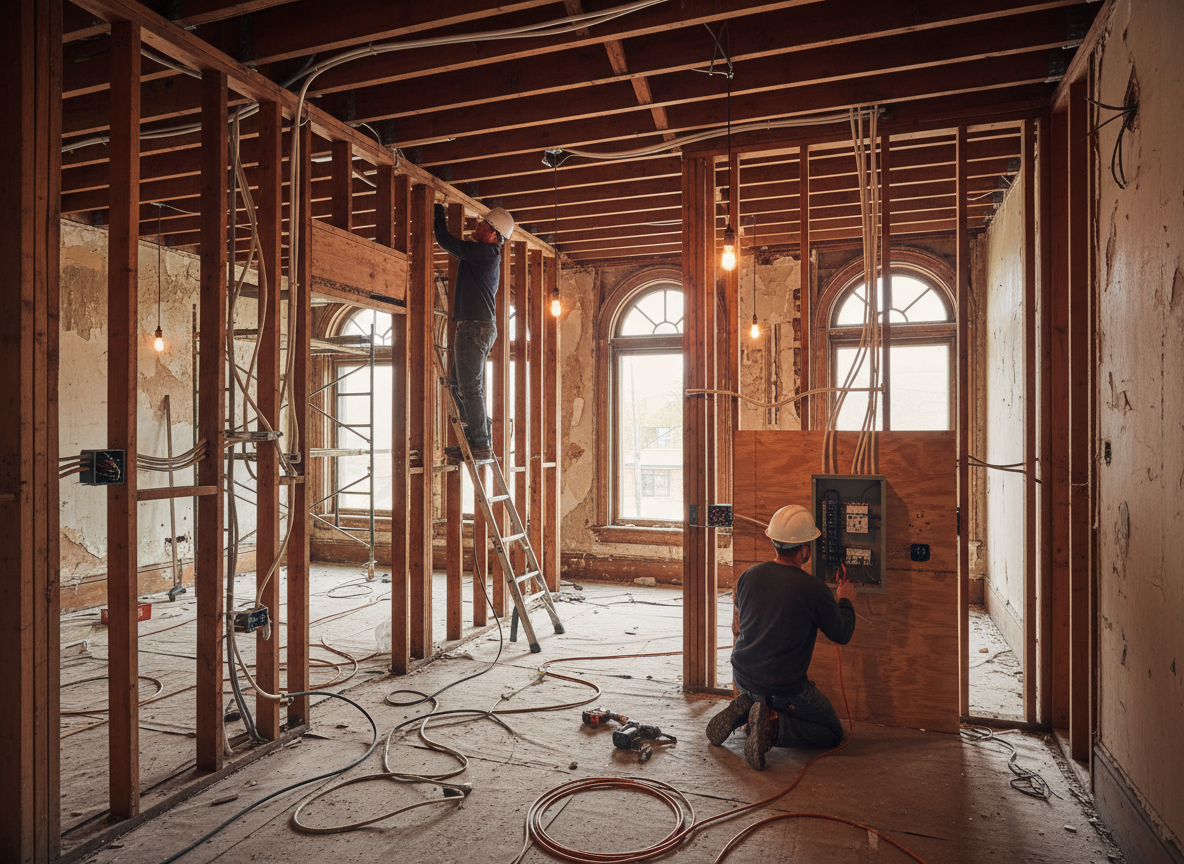
10 Costly Power Oversights That Delay Renovation Projects
Renovation projects are exciting. Whether upgrading a home, modernising a commercial space, or completely transforming a property, the goal is always the same—create a more functional, efficient, and visually appealing environment. However, one area that is often underestimated during renovations is the electrical system.
Power planning is not just about adding a few extra outlets or upgrading lighting. It plays a critical role in how smoothly a renovation progresses. When electrical considerations are overlooked or delayed, projects can quickly run into costly setbacks, compliance issues, and frustrating delays.
Understanding the most common electrical oversights can help property owners, builders, and project managers avoid unnecessary disruptions and ensure a smoother renovation process. Below are ten costly power oversights that delay renovation projects—and how to avoid them.
1. Leaving Electrical Planning Too Late
One of the biggest mistakes in renovation projects is treating electrical work as an afterthought. Electrical systems should be planned early in the design phase, not after construction has already begun.
When electrical layouts are not finalised upfront, trades may need to stop work while decisions are made. This can delay timelines and increase labour costs.
Early electrical planning allows for:
- accurate placement of wiring and outlets
- integration with architectural design
- coordination with other trades
A well-planned electrical strategy ensures that construction flows smoothly without unnecessary interruptions.
2. Underestimating Power Requirements
Modern properties require significantly more power than older buildings were designed to handle. Renovations that fail to account for increased electrical demand often run into problems during installation.
Common issues include:
- insufficient circuit capacity
- overloaded switchboards
- inability to support new appliances
This oversight can lead to redesigns mid-project, requiring additional work and delaying completion.
Planning for current and future power needs ensures the electrical system can handle modern technology and appliances without strain.
3. Ignoring Switchboard Upgrades
The switchboard is the heart of any electrical system, yet it is often overlooked during renovations.
Older switchboards may lack:
- sufficient capacity for new circuits
- modern safety features
- compliance with current standards
If the switchboard cannot support the upgraded electrical system, it will need to be replaced—often after other work has already been completed.
Upgrading the switchboard early prevents delays and ensures the entire system operates safely and efficiently.
4. Poor Coordination Between Trades
Renovation projects involve multiple trades working together, including builders, plumbers, electricians, and designers. Without proper coordination, electrical work can clash with other installations.
Examples include:
- wiring conflicting with plumbing layouts
- lighting placement interfering with structural elements
- outlets positioned incorrectly due to design changes
These conflicts can result in rework, additional costs, and project delays.
Clear communication and collaboration between trades ensure electrical installations align with the overall renovation plan.
5. Inadequate Lighting Design
Lighting is often treated as a finishing touch rather than a core design element. However, poor lighting planning can significantly impact both functionality and aesthetics.
Common lighting oversights include:
- insufficient lighting in key areas
- poorly positioned fixtures
- lack of task lighting in kitchens and work spaces
Correcting these issues after installation can require rewiring, which adds time and cost to the project.
A well-designed lighting plan enhances the usability of the space while avoiding unnecessary rework.
6. Not Planning for Smart Technology
Smart home and automation systems are becoming increasingly popular in both residential and commercial renovations. Failing to plan for these systems early can limit their functionality or require complex retrofits.
Common missed opportunities include:
- smart lighting systems
- automated climate control
- integrated security systems
- voice-controlled devices
Installing the necessary wiring and infrastructure during the renovation phase is far more efficient than adding it later.
Future-proofing electrical systems ensures properties remain adaptable to evolving technology.

7. Overlooking Power Point Placement
Power point placement is often underestimated, leading to inconvenient layouts that do not match how the space is used.
Common issues include:
- too few outlets in high-use areas
- outlets hidden behind furniture
- reliance on extension cords
These problems not only reduce convenience but can also create safety risks.
Thoughtful placement of power outlets improves functionality and ensures spaces are practical for everyday use.
8. Failing to Account for Compliance and Regulations
Electrical work must meet strict safety standards and regulations. Renovations that do not account for these requirements can face delays due to failed inspections or the need for rework.
Compliance issues may involve:
- outdated wiring systems
- improper installations
- lack of safety devices
Ensuring all electrical work meets current standards from the start prevents costly corrections later in the project.
9. Ignoring Energy Efficiency Opportunities
Renovations provide an ideal opportunity to improve energy efficiency, yet this is often overlooked.
Upgrades such as:
- energy-efficient lighting
- smart power management systems
- solar readiness
can reduce long-term operating costs and improve sustainability.
Failing to incorporate these upgrades during renovation may result in missed opportunities that are more expensive to implement later.
10. Not Engaging a Qualified Electrician Early
Perhaps the most critical oversight is not involving a qualified electrician at the beginning of the project.
Professional electricians provide valuable insight into:
- system design and layout
- load requirements
- safety considerations
- future-proofing strategies
Without this expertise, renovation projects are more likely to encounter unexpected issues that delay progress.
Engaging an experienced electrician early ensures the electrical system is designed to support the entire renovation.
Why Electrical Planning Is Essential for Renovation Success
Electrical systems are deeply integrated into every aspect of a property. From lighting and appliances to security and automation, power plays a central role in how spaces function.
When electrical planning is done correctly, renovations benefit from:
- smoother project timelines
- reduced risk of delays
- improved safety and compliance
- enhanced functionality and usability
- better long-term performance
On the other hand, overlooking electrical considerations can create a ripple effect of delays, increased costs, and compromised results.
Taking a proactive approach to electrical planning ensures renovations are completed efficiently and meet the expectations of modern living.
The Value of Working with Experienced Professionals
Renovation projects are complex, and electrical systems require careful planning and expert execution. Working with experienced professionals ensures that all aspects of the electrical system are considered from the beginning.
Qualified electricians can:
- design efficient electrical layouts
- identify potential risks before they occur
- ensure compliance with safety standards
- integrate modern technology solutions
- coordinate with other trades
This level of expertise helps prevent costly mistakes and keeps projects on track.
How Spectra Electrical Can Support Your Renovation
Avoiding costly power oversights starts with choosing the right electrical partner. With over 20 years of experience servicing Sydney, Spectra Electrical understands the critical role electrical systems play in successful renovation projects.
Spectra Electrical works closely with homeowners, builders, and developers to deliver reliable and efficient electrical solutions tailored to each project.
Their services include:
- complete electrical design and planning
- switchboard upgrades and circuit installations
- lighting design and installation
- smart home and automation integration
- energy-efficient electrical upgrades
- Level 2 electrical services
- ongoing maintenance and compliance support
By involving Spectra Electrical early in the renovation process, clients can avoid common electrical pitfalls and ensure their projects run smoothly from start to finish.
Whether upgrading a residential property or managing a large-scale commercial renovation, Spectra Electrical provides the expertise needed to deliver safe, efficient, and future-ready electrical systems.
Final Thoughts
Renovations are a significant investment, and every decision made during the process impacts the final outcome. Electrical planning is one area that should never be overlooked.
By understanding and avoiding these ten costly power oversights, property owners and project teams can reduce delays, control costs, and create spaces that function seamlessly.
With the right planning, professional guidance, and attention to detail, electrical systems can enhance both the performance and value of any renovated property—ensuring the finished result is not only visually impressive but also practical, efficient, and built for the future.