
11 High-Impact Power Improvements That Reduce Overuse
In today’s fast-paced world, energy efficiency is no longer just a luxury—it’s a necessity. Businesses, homeowners, and property managers are increasingly seeking ways to reduce power consumption without sacrificing performance. Overuse of electricity not only leads to higher bills but also strains electrical systems and contributes to environmental issues. Implementing smart power improvements can significantly reduce energy waste while improving system longevity. Here’s a detailed look at 11 high-impact power improvements that reduce overuse.
1. Upgrade to LED Lighting
One of the simplest yet most effective improvements is switching from traditional incandescent or fluorescent lighting to LED. LED lights consume significantly less electricity while providing brighter and more consistent illumination. Unlike older lighting solutions, LEDs generate less heat, reducing the need for extra cooling in spaces like offices or commercial buildings.
2. Install Smart Thermostats
Heating and cooling systems are often the largest energy consumers in commercial and residential properties. Smart thermostats provide precise control, adjusting temperature settings based on occupancy patterns and weather conditions. By learning how a space is used, they avoid unnecessary energy consumption, helping reduce peak load and save money.
3. Use Energy-Efficient Appliances
Older appliances like refrigerators, water heaters, and dishwashers can be energy hogs. Upgrading to high-efficiency or Energy Star-rated models can cut electricity use significantly. These appliances consume less energy without sacrificing performance, and many come with smart features to further optimize consumption.
4. Implement Power Factor Correction
Power factor correction is a technical solution that improves the efficiency of electrical systems in commercial and industrial settings. A poor power factor can lead to energy wastage, increased utility bills, and unnecessary stress on equipment. By installing capacitors or other correction devices, businesses can reduce reactive power and enhance overall system performance.
5. Upgrade Electrical Panels and Wiring
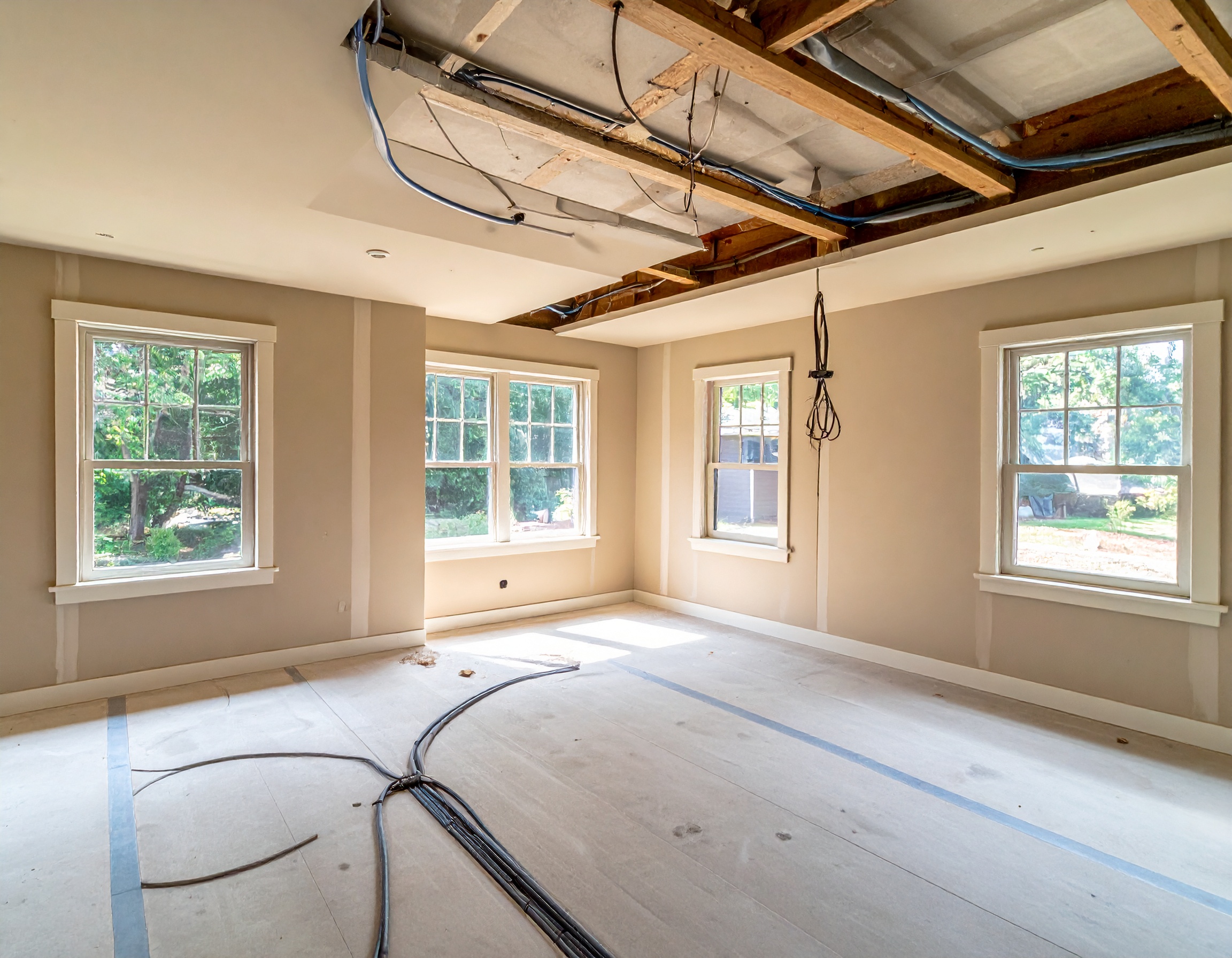
Old or undersized electrical panels can contribute to energy inefficiency and overuse. Modernizing panels and replacing outdated wiring ensures that electricity is distributed efficiently throughout a property, minimizing loss and reducing the risk of overloads. Upgraded electrical infrastructure also provides capacity for future expansions.
6. Use Timers and Motion Sensors
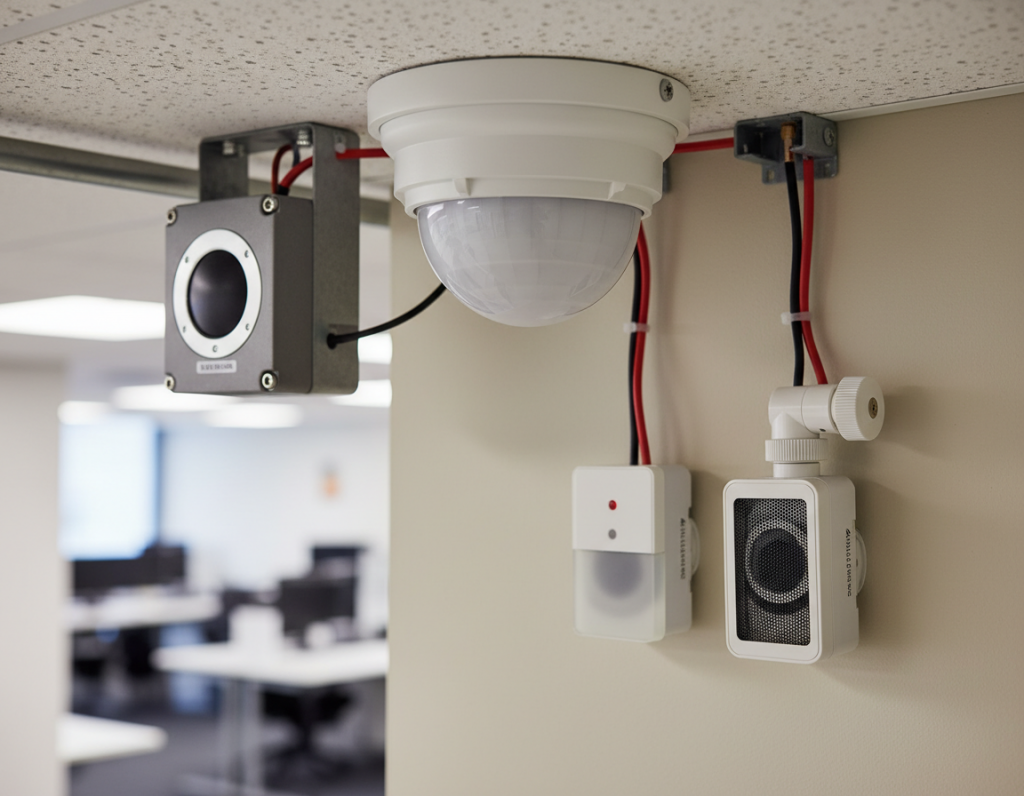
Lights and equipment often remain on longer than necessary, wasting energy. Timers and motion sensors automatically switch off devices when not in use. For example, hallways, bathrooms, and storage areas in commercial spaces often remain illuminated even when empty—motion sensors solve this problem efficiently.
7. Install Solar Panels or Hybrid Systems
Renewable energy is increasingly accessible, and solar panels can drastically reduce dependency on the grid. While the initial installation requires investment, the long-term savings and environmental benefits are substantial. Hybrid systems, which combine solar with traditional power sources, ensure uninterrupted supply while optimizing energy use.
8. Optimize Water Heating Systems
Water heating can account for a surprising portion of energy use, especially in hotels, aged care facilities, or large households. Switching to high-efficiency water heaters or integrating recirculation pumps with timers ensures hot water is available when needed without continuous energy drain. Additionally, insulating hot water pipes reduces heat loss, keeping energy use low.
9. Introduce Load Management Strategies
Load management involves monitoring and controlling electrical demand to avoid peak-time overuse. By staggering the operation of heavy equipment or machinery, properties can reduce peak loads and lower costs. This strategy is particularly effective in industrial or commercial environments with multiple high-power devices running simultaneously.
10. Integrate Building Automation Systems
Building automation systems (BAS) centralize control of lighting, HVAC, security, and other electrical systems, allowing for real-time monitoring and optimization. By analyzing usage patterns, BAS can adjust settings automatically, ensuring power is only used when necessary. For larger commercial properties, BAS can generate reports on energy consumption and identify inefficiencies.
11. Conduct Regular Energy Audits
Finally, the most crucial step in reducing power overuse is conducting regular energy audits. Audits identify areas of wastage, inefficient equipment, and opportunities for improvement. They provide a roadmap for implementing the other strategies mentioned here, ensuring investments deliver measurable results.
Final Thoughts
Reducing energy overuse is about more than cutting costs—it’s about creating safer, more efficient, and environmentally responsible spaces. From simple upgrades like LED lighting to advanced solutions such as building automation and load management, there are multiple strategies to achieve high-impact energy savings.
For businesses and homeowners looking to implement these changes safely and effectively, partnering with a trusted electrical services provider is key. Spectra Electrical offers expert guidance and professional installation services for energy efficiency upgrades, ensuring improvements deliver lasting results while supporting sustainability goals. With the right approach, reducing electricity overuse is not only possible—it’s highly rewarding.