
11 Strategic Electrical Improvements That Add Resilience
In a world where power disruptions, rising energy demands, and tighter compliance standards are becoming the norm, electrical resilience is no longer a luxury — it’s a necessity. Whether it’s a commercial building, strata complex, industrial site, or high-end residence, resilient electrical systems protect people, assets, and operations when conditions are less than ideal. Strategic electrical improvements don’t just prevent downtime; they improve safety, extend asset life, and future-proof properties against evolving demands. Below are 11 strategic electrical improvements that add resilience, explained in a practical, engaging way to help you understand where smart upgrades deliver the biggest long-term impact.
1. Upgraded Main Switchboards and Distribution Systems
A resilient electrical system starts at the switchboard. Older switchboards were not designed to handle modern loads such as electric vehicle chargers, high-efficiency HVAC systems, or smart technology. Upgrading to modern switchboards improves fault protection, allows for better load balancing, and makes future expansion significantly easier.
A well-designed distribution system reduces the risk of overloads and outages while improving overall safety and reliability — especially during peak demand periods.
2. Backup Power Solutions for Critical Circuits
Power outages are unpredictable, but their impact doesn’t have to be. Installing backup power solutions such as generators or battery-based systems ensures essential services remain operational during blackouts.
For businesses, aged care facilities, medical centres, and even multi-residential buildings, backup power protects critical systems like lighting, refrigeration, security, and communications. This level of preparedness adds a strong layer of operational resilience.
3. Surge Protection and Power Quality Management
Voltage spikes, surges, and fluctuations are silent threats that can gradually damage equipment or cause sudden failures. Strategic surge protection at key points within an electrical system shields sensitive devices from external and internal electrical disturbances.
Power quality management improves equipment lifespan, reduces maintenance costs, and prevents unexpected downtime caused by electrical instability.
4. Redundant Power Pathways
Single points of failure are the enemy of resilience. Creating redundancy within electrical systems — such as dual supplies or alternate circuit paths — ensures that if one component fails, another can take over.
Redundant power pathways are especially valuable in commercial and industrial environments where even brief outages can result in significant operational or financial losses.
5. Smart Monitoring and Fault Detection Systems
Modern electrical resilience isn’t just physical — it’s intelligent. Smart monitoring systems continuously track energy usage, load performance, and fault conditions in real time.
Early fault detection allows issues to be identified and resolved before they escalate into outages or safety risks. This proactive visibility transforms maintenance from reactive to preventative, strengthening long-term reliability.
6. Improved Earthing and Bonding Systems
Proper earthing and bonding are fundamental to electrical safety and system stability. Over time, earthing systems can degrade due to corrosion, ground movement, or outdated design standards.
Upgrading earthing and bonding improves fault clearing, protects people and equipment, and reduces the likelihood of electrical shock or fire. Strong grounding is a cornerstone of any resilient electrical installation.
7. Load Segmentation and Circuit Prioritisation
Not all electrical loads are equal. Strategic load segmentation allows essential systems to be prioritised during faults, maintenance, or power interruptions.
By separating critical circuits from non-essential ones, properties can maintain key operations even when supply is limited. This approach improves continuity and reduces stress on the overall system during high-demand situations.
8. Energy Storage Integration
Energy storage systems provide flexibility, stability, and independence. When paired with grid supply or renewable energy sources, batteries can store excess energy and release it when demand is high or supply is disrupted.
This capability smooths power fluctuations, supports backup systems, and enhances overall electrical resilience — particularly in locations prone to outages or grid instability.
9. Preventative Maintenance and Scheduled Testing
Resilient systems don’t happen by accident — they are maintained. Regular inspections, testing, and thermal imaging identify wear, loose connections, and emerging faults before they cause failure.
A structured preventative maintenance program extends the life of electrical assets and ensures systems perform reliably when they are needed most.
10. Emergency Lighting and Exit System Upgrades
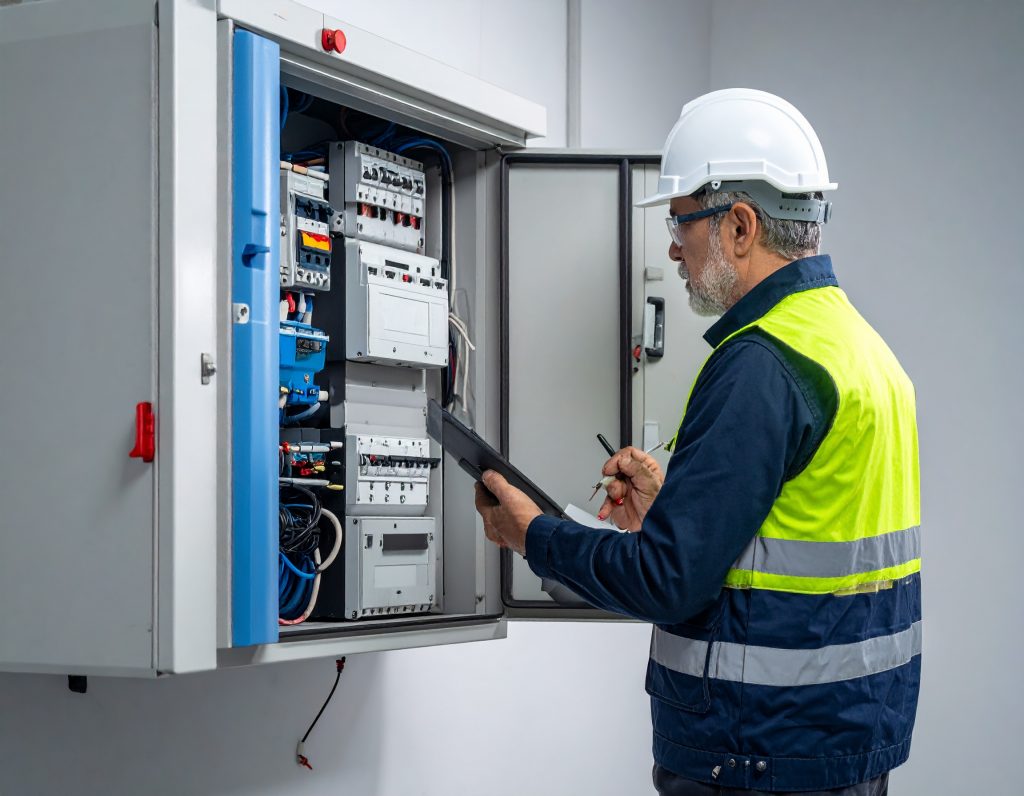
During power disruptions or emergencies, lighting plays a critical role in safety and evacuation. Upgrading emergency lighting and exit systems ensures visibility is maintained even when normal power fails.
Modern systems offer improved battery performance, automated testing, and compliance with current standards — all contributing to a safer and more resilient building environment.
11. Future-Proof Capacity Planning
One of the most strategic resilience upgrades is planning for what comes next. Electrical systems designed with spare capacity, flexible layouts, and expansion capability are far better equipped to handle future demands.
Whether it’s electrification, automation, or increased occupancy, future-proof capacity planning reduces the need for disruptive upgrades and ensures long-term performance.
Final Thoughts: Resilience Is a Strategic Advantage
Electrical resilience is about more than avoiding outages — it’s about protecting people, preserving operations, and safeguarding long-term value. Strategic electrical improvements strengthen systems against uncertainty while delivering reliability, safety, and adaptability.
By investing in these 11 strategic electrical improvements, property owners and businesses position themselves to handle disruptions with confidence and keep moving forward when it matters most.
How Spectra Electrical Can Assist
At Spectra Electrical, we specialise in designing, upgrading, and maintaining resilient electrical systems for commercial, strata, industrial, and specialised facilities across Sydney. With over 20 years of industry experience, our team understands how to balance safety, compliance, performance, and future demand.
We assist clients with:
- Switchboard and distribution upgrades designed for modern electrical loads
- Backup power, battery storage, and critical circuit protection
- Power quality, surge protection, and fault detection solutions
- Preventative maintenance programs and compliance testing
- Future-proof electrical planning to support growth and electrification
Our approach is proactive, not reactive. We work closely with property managers, builders, facility operators, and business owners to identify vulnerabilities, reduce risk, and implement electrical solutions that add long-term resilience — not just short-term fixes.
If you’re looking to strengthen your electrical infrastructure, reduce downtime, and ensure your systems are ready for what’s next, partnering with an experienced electrical contractor makes all the difference.
Spectra Electrical delivers resilient, compliant, and future-ready electrical solutions you can rely on.