
12 Smart Electrical Considerations Most People Forget
When it comes to electrical systems, most people focus on the obvious—lighting, power points, and appliances. But the reality is, many of the most important electrical considerations are the ones that are often overlooked.
Whether you’re a homeowner, property manager, or business owner, missing these details can lead to higher energy costs, reduced efficiency, safety risks, and unexpected downtime.
The good news? With a bit of planning and the right guidance, these commonly forgotten factors can be addressed early—saving you time, money, and stress in the long run.
Here are 12 smart electrical considerations most people forget, and why they matter more than you think.
1. Future Power Demand
One of the biggest mistakes people make is planning only for their current needs.
With the rise of electric vehicles, smart homes, and high-powered equipment, electrical demand is only increasing. Failing to account for future load requirements can result in costly upgrades later.
Planning ahead ensures your system is scalable and ready for future technology.
2. Switchboard Capacity
Your switchboard is the control centre of your electrical system, but it’s often overlooked until problems arise.
An undersized or outdated switchboard can lead to frequent tripping, inefficiencies, and safety hazards. Ensuring your switchboard has adequate capacity is essential for both performance and compliance.
3. Circuit Separation
Not all circuits should be shared. High-demand appliances and critical systems should have dedicated circuits to prevent overloads and ensure reliability.
This is particularly important in commercial environments where equipment downtime can impact operations.
4. Surge Protection
Power surges don’t happen often—but when they do, the damage can be significant.
Installing surge protection helps safeguard valuable equipment, electronics, and appliances from unexpected voltage spikes caused by storms or grid fluctuations.
5. Load Balancing
Uneven distribution of electrical load can strain your system and lead to overheating or failures.
Proper load balancing ensures power is evenly distributed across circuits, improving efficiency and reducing the risk of faults.
6. Energy Efficiency Opportunities
Many properties miss simple opportunities to improve energy efficiency.
Upgrades like LED lighting, energy-efficient appliances, and smart controls can significantly reduce energy consumption and operating costs over time.

7. Backup Power Planning
Power outages can disrupt daily life or halt business operations.
Having a backup plan—whether it’s a generator or battery storage—provides peace of mind and ensures continuity during unexpected outages.
8. Electrical Safety Compliance
Electrical standards and regulations evolve over time, and older systems may no longer meet current requirements.
Ensuring your property is compliant not only improves safety but also reduces liability risks.
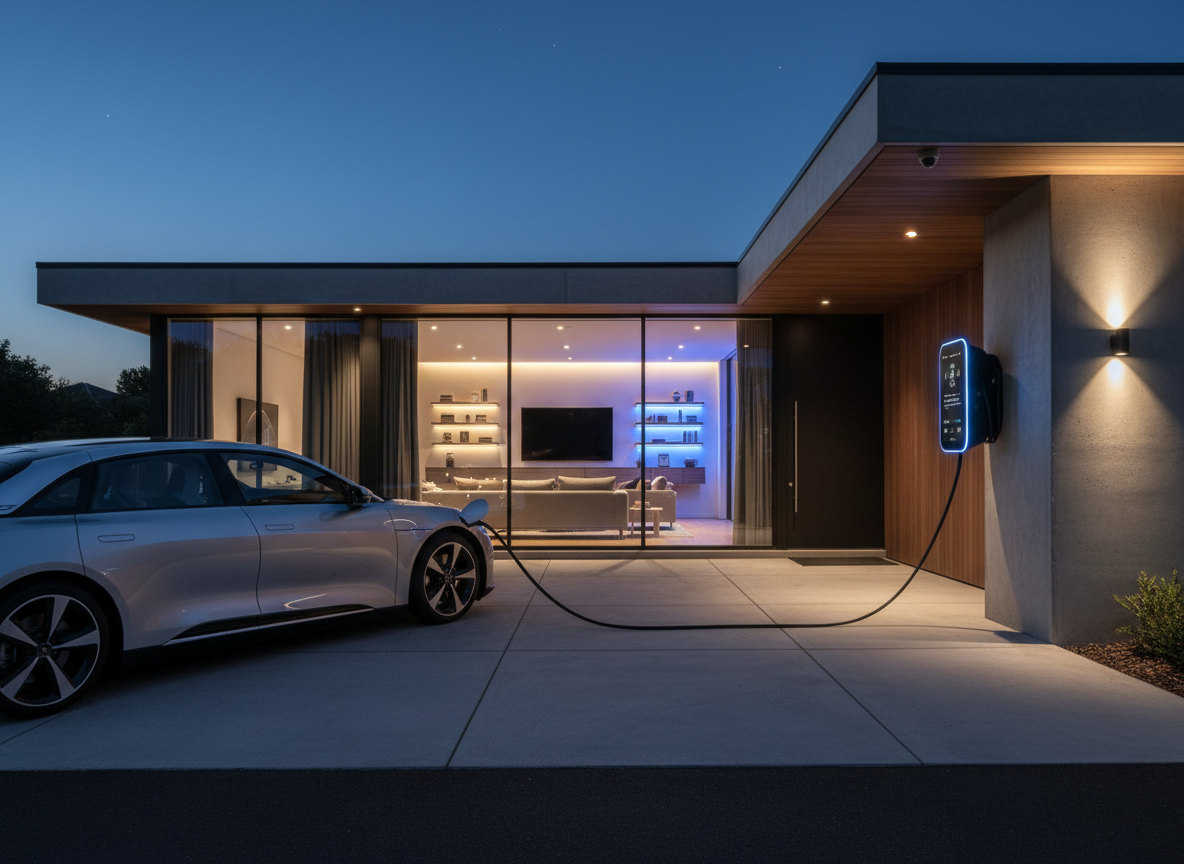
9. EV Charging Readiness
Electric vehicles are becoming more common, yet many properties aren’t prepared to support them.
Planning for EV charging infrastructure early ensures your system can handle the additional load without requiring major upgrades later.
10. Smart Technology Integration
Smart systems are becoming increasingly popular, but they require proper integration to function effectively.
From smart lighting to automated energy management, ensuring compatibility and correct installation is key to maximising benefits.
11. Regular Inspections and Maintenance
Electrical systems are often “out of sight, out of mind.”
Without regular inspections, small issues can go unnoticed until they become major problems. Preventative maintenance helps identify risks early and keeps your system running efficiently.
12. Choosing the Right Electrical Partner
Perhaps the most overlooked consideration is who you trust to handle your electrical work.
An experienced and reliable electrician can make all the difference—ensuring your system is safe, efficient, and built to last.
Why These Considerations Matter
Ignoring these factors can lead to:
- Unexpected breakdowns and downtime
- Increased energy costs
- Safety risks for occupants and equipment
- Expensive emergency repairs
On the other hand, addressing them proactively results in:
- Improved reliability and performance
- Lower long-term costs
- Enhanced safety and compliance
- Future-ready electrical systems
In both residential and commercial settings, these benefits translate into greater peace of mind and better overall value.
How Spectra Electrical Can Help
At Spectra Electrical, we understand that the details make all the difference when it comes to electrical systems. With over 20 years of experience, we provide tailored solutions designed to address both the obvious and the often-overlooked aspects of electrical infrastructure.
We work with homeowners, businesses, and property managers to ensure their systems are safe, efficient, and ready for the future.
Our services include:
- Switchboard upgrades and capacity improvements
- Preventative maintenance and inspections
- Level 2 electrical services for advanced power solutions
- EV charger installation and integration
- Energy-efficient upgrades and smart system solutions
- Fault finding, repairs, and ongoing support
Whether you’re planning an upgrade, building a new property, or simply want to ensure your system is operating at its best, Spectra Electrical can provide expert advice and practical solutions tailored to your needs.
Final Thoughts
Electrical systems are complex, and it’s easy to overlook the details that matter most. However, by considering these 12 often-forgotten factors, you can avoid common pitfalls and create a system that is reliable, efficient, and built for the future.
From planning for future demand to ensuring safety compliance and integrating smart technology, every decision plays a role in the overall performance of your electrical setup.
If you’re looking to improve your electrical system and avoid costly mistakes, working with experienced professionals can help you get it right the first time.