

14 Powerful Efficiency Upgrades That Actually Make a Difference
Energy efficiency has become one of the most important considerations for modern homes and businesses. With increasing energy costs, growing environmental awareness, and the rapid expansion of technology, many property owners are searching for ways to reduce energy consumption without sacrificing comfort, productivity, or convenience.
While there are countless products and upgrades marketed as “energy efficient,” not all improvements deliver meaningful results. The most effective upgrades are those that improve how electrical systems operate, reduce unnecessary energy waste, and support long-term performance across the entire property.
Below are 14 powerful efficiency upgrades that actually make a difference, helping homes and commercial properties operate smarter, reduce electricity consumption, and create more sustainable energy usage over time.
1. LED Lighting Upgrades
One of the most impactful efficiency upgrades available today is replacing outdated lighting with modern LED systems.
Traditional incandescent and halogen lighting technologies consume significantly more energy while producing less usable light. LED lighting, by contrast, converts electricity into illumination far more efficiently.
LED fixtures use far less power, last significantly longer, and produce less heat. For homes, offices, warehouses, and outdoor spaces, upgrading to LED lighting can dramatically reduce electricity consumption while improving brightness and visibility.
In larger commercial facilities, lighting upgrades often deliver some of the fastest returns on investment when it comes to energy efficiency improvements.
2. Smart Lighting Controls
Energy efficiency is not just about the type of lighting used—it is also about how that lighting is controlled.
Smart lighting systems allow property owners to automate lighting schedules, adjust brightness levels, and integrate occupancy sensors that turn lights off when spaces are not in use.
For workplaces, retail environments, and shared facilities, this prevents lighting systems from running unnecessarily throughout the day.
Smart controls help reduce energy waste while maintaining comfortable lighting environments for occupants.
3. Energy-Efficient Switchboard Upgrades
The switchboard acts as the central hub of a building’s electrical system. Older switchboards were designed for the electrical demands of decades past, often before the rise of modern appliances, smart technologies, and energy management systems.
Upgrading to a modern switchboard allows electrical systems to operate more efficiently while providing improved circuit management and energy monitoring capabilities.
A properly configured switchboard also supports the integration of new technologies such as solar systems, electric vehicle charging infrastructure, and smart home systems.
4. Motion Sensors and Occupancy Detection
Lighting systems often remain active in spaces that are temporarily unoccupied, which wastes significant amounts of energy over time.
Motion sensors and occupancy detection systems solve this issue by automatically switching lights on when movement is detected and turning them off after a space becomes vacant.
These systems are especially effective in areas such as hallways, bathrooms, meeting rooms, warehouses, and storage areas where lights are often left on unintentionally.
By reducing unnecessary lighting use, occupancy sensors contribute to measurable energy savings.
5. Energy Monitoring Systems
Many property owners are unaware of where most of their energy consumption occurs.
Energy monitoring systems provide valuable insight by tracking electricity usage across circuits and appliances. These systems allow property owners to identify high-energy equipment and understand how electricity is being consumed throughout the building.
With this data, smarter decisions can be made about upgrades, operational changes, and efficiency improvements.
Energy monitoring also encourages better energy habits by making consumption patterns more visible.
6. Efficient Outdoor Lighting
Outdoor lighting is often overlooked when it comes to energy efficiency, yet exterior lighting can consume a large portion of electricity in many properties.
Replacing older floodlights and outdoor fixtures with LED alternatives dramatically reduces energy consumption while improving reliability and brightness.
Modern outdoor lighting systems can also be combined with timers, motion sensors, and smart controls to ensure lights operate only when necessary.
This approach improves security while maintaining energy efficiency.
7. Power Factor Correction
Power factor refers to how efficiently electrical power is used within a building.
In commercial and industrial environments, inefficient power factor can result in higher electricity costs and unnecessary strain on electrical infrastructure.
Power factor correction equipment helps optimize the electrical system so that electricity is used more efficiently, reducing energy losses and improving overall system performance.
This upgrade is particularly valuable for facilities operating heavy machinery, motors, and large electrical loads.
8. Upgraded Electrical Wiring
Older electrical wiring systems may not be designed for modern energy loads. As buildings add new appliances, data infrastructure, and advanced technology, outdated wiring can lead to inefficiencies and potential safety concerns.
Upgrading electrical wiring improves power distribution throughout the property, reduces energy loss, and ensures circuits are capable of supporting current and future electrical demands.
This upgrade also contributes to improved electrical safety and reliability.
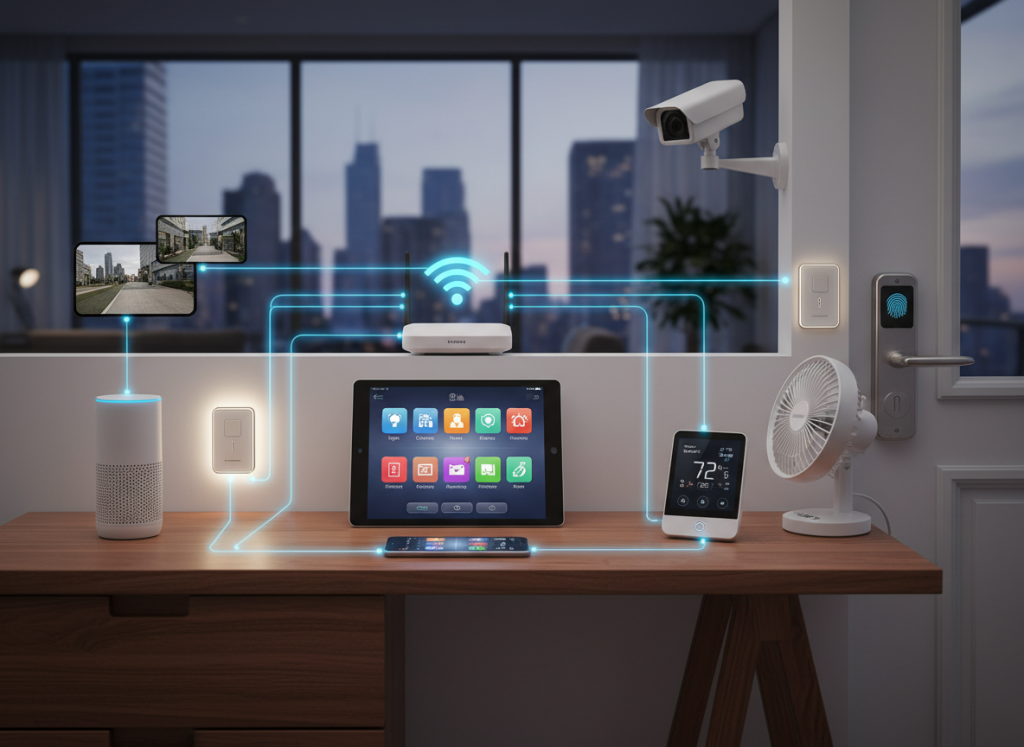
9. Smart Home and Smart Building Systems
Smart technology is transforming how electrical systems operate within homes and commercial buildings.
Smart building systems allow users to automate lighting, climate control, security systems, and appliances through centralised controls or mobile applications.
These systems optimize energy usage by automatically adjusting electrical systems based on occupancy, time of day, and user preferences.
The result is a property that operates more efficiently without sacrificing comfort or functionality.
10. Solar Integration Readiness
Even for properties that do not yet have solar panels installed, preparing electrical infrastructure for future solar integration is a powerful efficiency strategy.
Solar-ready switchboards and electrical systems allow for easier installation of solar technology in the future.
Planning electrical systems with solar compatibility ensures that properties are prepared to adopt renewable energy solutions when the time is right.
Future-ready electrical infrastructure prevents costly upgrades later and supports long-term energy sustainability.
11. Efficient Appliance Circuits
Many properties operate appliances and equipment that consume significant amounts of electricity. Ensuring these appliances operate on properly designed circuits improves efficiency and reduces unnecessary energy losses.
Dedicated circuits for high-energy appliances ensure stable power delivery and reduce the risk of overloading other electrical systems.
Proper circuit design also supports efficient operation and prolongs appliance lifespan.
12. EV Charging Infrastructure Planning
Electric vehicles are becoming increasingly common in both residential and commercial environments.
Installing EV charging infrastructure or preparing electrical systems to support EV chargers ensures properties remain adaptable as transportation technology evolves.
Modern EV charging systems can also integrate smart energy management features that optimize charging times to reduce electricity costs and avoid peak demand periods.
Planning for EV infrastructure today supports energy efficiency and future technology adoption.
13. Electrical System Balancing
Electrical load balancing is an often overlooked efficiency improvement.
In properties with three-phase power systems, uneven distribution of electrical loads can cause equipment to operate inefficiently and generate excess heat.
Balancing electrical loads across phases ensures that equipment runs smoothly and reduces stress on electrical infrastructure.
Proper load balancing improves system performance and contributes to longer equipment lifespan.
14. Preventative Electrical Maintenance
Efficiency is not only achieved through upgrades—regular maintenance plays an important role as well.
Electrical systems naturally experience wear over time. Loose connections, aging components, and hidden faults can cause energy inefficiencies and increase electricity consumption.
Routine inspections and preventative maintenance help identify these issues early, ensuring electrical systems continue operating efficiently and safely.
Maintaining electrical infrastructure is one of the simplest ways to preserve efficiency and reliability.
Why Electrical Efficiency Matters More Than Ever
Energy efficiency is no longer just about lowering electricity bills. It has become an important part of responsible property ownership and long-term infrastructure planning.
Efficient electrical systems provide several benefits, including:
- Reduced energy consumption
- Lower operating costs
- Improved system reliability
- Reduced environmental impact
- Better preparation for future technologies
As homes and businesses continue to adopt smart technology, electric vehicles, automation systems, and renewable energy solutions, the demand placed on electrical infrastructure will continue to grow.
Investing in energy-efficient electrical upgrades today ensures properties remain capable of supporting tomorrow’s energy demands.
How Spectra Electrical Helps Deliver Powerful Efficiency Upgrades
Implementing energy-efficient electrical upgrades requires experienced professionals who understand modern electrical systems and infrastructure planning.
Spectra Electrical has been servicing Sydney for more than 20 years, providing high-quality electrical solutions across residential, commercial, and industrial sectors.
Our team works closely with property owners, facility managers, and businesses to design and install electrical systems that improve efficiency, reliability, and long-term performance.
Spectra Electrical provides a wide range of services that support energy efficiency upgrades, including:
- LED lighting upgrades for homes and commercial facilities
- Smart lighting and automation system installations
- Switchboard upgrades and electrical infrastructure improvements
- Energy-efficient outdoor lighting installations
- Electrical system upgrades to support solar integration
- EV charging infrastructure installations
- Electrical system inspections and preventative maintenance
- Power distribution optimisation and load balancing
By combining technical expertise with practical solutions, Spectra Electrical helps clients reduce energy consumption while ensuring electrical systems remain safe, reliable, and future-ready.
Final Thoughts
Energy efficiency is not achieved through a single upgrade. It comes from a combination of smart electrical decisions, modern technology, and properly maintained infrastructure.
The upgrades outlined above represent practical improvements that deliver real results—reducing energy waste, improving system performance, and preparing properties for the future of electricity use.
With the right planning and professional support, these efficiency strategies can transform how homes and businesses manage power.
And when it comes to implementing meaningful electrical upgrades, working with experienced professionals like Spectra Electrical ensures the improvements truly make a difference.