
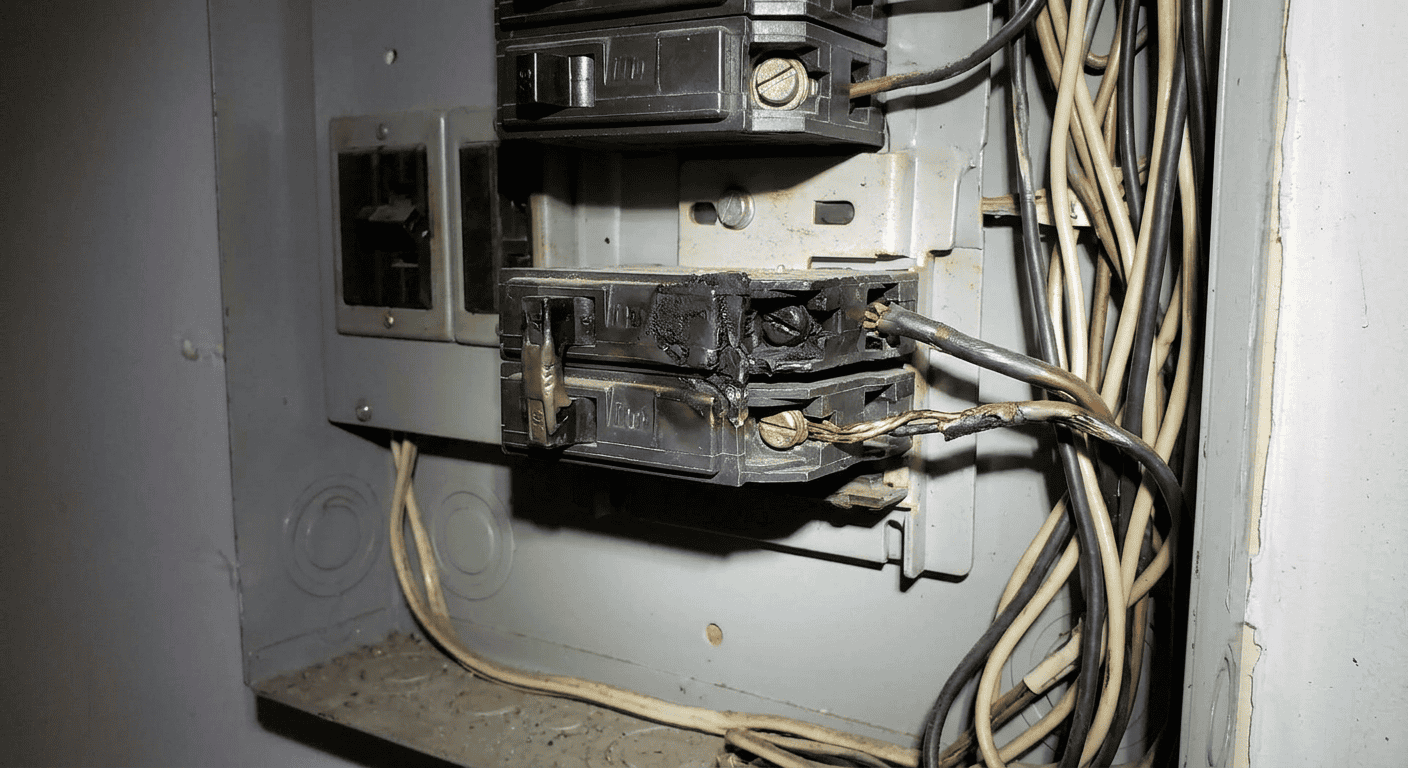
5 Dangerous Risks of Choosing the Cheapest Electrical Quote
When you’re arranging electrical work, it’s completely understandable to compare quotes. Whether you’re upgrading a switchboard, installing new lighting, rewiring a property, fitting an EV charger, or carrying out commercial electrical work, keeping costs under control matters.
However, there is an important difference between finding a competitive electrical quote and simply choosing the cheapest electrician.
The lowest quote may initially look like the smartest financial decision, but price alone doesn’t always tell you what you’re actually getting. Differences in materials, workmanship, project scope, safety measures, experience, testing, documentation, and ongoing support can make seemingly similar quotes very different in value.
In some situations, choosing an unusually cheap electrical quote can result in additional costs, delays, safety concerns, or work that needs to be corrected later.
That doesn’t mean the most expensive electrician is automatically the best choice. Instead, property owners should look beyond the final dollar figure and consider the overall value, quality, safety, and scope of the electrical work.
Here are 5 dangerous risks of choosing the cheapest electrical quote and what you should consider before making your decision.
1. Lower-Quality Materials Can Increase Long-Term Risk
One reason electrical quotes can vary significantly is the materials being used.
Electrical installations rely on quality components, including cables, circuit breakers, safety switches, power points, light fittings, switchboard equipment, data cabling, and other electrical accessories.
Cheap Doesn’t Always Mean Better Value
A lower quote may reflect a different specification of materials or components compared with another contractor’s proposal.
This doesn’t necessarily mean cheaper materials are automatically unsafe or non-compliant. However, it’s important to understand exactly what has been included in the quote and whether the proposed equipment is appropriate for the installation.
Ask What You’re Actually Getting
Before accepting an electrical quote, ask:
- What brands and components are being used?
- What type of cabling is included?
- Are safety switches included?
- Are testing and commissioning included?
- Is disposal of old equipment included?
- Are certificates or documentation included?
- Are warranties provided?
- Does the quote include all required labour?
A quote that appears cheaper may become considerably more expensive if important components or services have been excluded.
Quality Components Matter
Electrical infrastructure is designed to operate for years. Investing in appropriate, quality components can provide greater reliability and reduce the likelihood of premature replacement.
The goal shouldn’t simply be finding the cheapest materials available. It should be finding the right materials for the property’s electrical requirements.
2. Cutting Labour Costs Can Affect Workmanship
Electrical work requires technical knowledge, careful planning, and attention to detail.
Whether an electrician is installing a new circuit or completing a major commercial electrical project, workmanship matters.
Why Experience Is Important
Electrical installations involve more than simply connecting wires.
Electricians need to consider:
- Circuit loading
- Cable sizing
- Protective devices
- Earthing
- Voltage requirements
- Equipment compatibility
- Installation conditions
- Accessibility
- Future electrical demand
Poor planning or rushed workmanship can create problems that aren’t immediately obvious.
Problems May Appear Later
An electrical installation can appear perfectly functional when completed while still containing underlying issues.
Problems may eventually present themselves as:
- Repeated circuit trips
- Flickering lights
- Overheating
- Electrical faults
- Equipment failures
- Unexpected outages
These problems can be frustrating and expensive to diagnose after the original contractor has left.
Cheapest Isn’t Always the Most Efficient
A contractor who takes the time to properly assess the property and complete the work carefully may provide better long-term value than someone who simply aims to complete the job as quickly as possible.
When comparing quotes, consider the contractor’s experience, reputation, qualifications, communication, and approach to the project—not just the hourly rate.
3. Incomplete Scope of Work Can Lead to Unexpected Costs
One of the biggest dangers of comparing electrical quotes purely on price is assuming every quote includes exactly the same work.
Two electricians might provide quotes for the same project while making completely different assumptions about what is required.
What’s Included Matters
For example, a switchboard upgrade quote might include the switchboard itself but exclude:
- Additional circuits
- Surge protection
- Repairs to existing wiring
- Testing
- Removal of old equipment
- Access equipment
- Making good surrounding areas
Similarly, an EV charger installation quote might not include required electrical upgrades if the existing switchboard doesn’t have sufficient capacity.
The Cheapest Quote Can Become the Most Expensive
If important work is excluded from the original price, variations may be required once the project begins.
This can make budgeting difficult and create disputes between property owners and contractors.
Compare Quotes Line by Line
Rather than asking only, “Which electrician is cheapest?”, ask:
“Are these electricians quoting for exactly the same scope of work?”
Look carefully at:
- Labour
- Materials
- Equipment
- Testing
- Compliance requirements
- Disposal
- Access
- Site preparation
- Documentation
- Warranty
- Potential exclusions
A slightly higher quote that includes everything you actually need may provide significantly better value.
4. Poor Planning Can Create Future Electrical Problems
An electrical project shouldn’t only solve today’s problem. Where practical, it should also consider how the property may be used in the future.
This is particularly important for renovations, new builds, commercial properties, strata buildings, and major electrical upgrades.
Electrical Demand Is Changing
Modern properties use significantly more technology than they did in the past.
Consider the growing popularity of:
- Electric vehicles
- Solar power
- Battery storage
- Home offices
- Smart home systems
- Air conditioning
- Data networks
- Security systems
- Energy management systems
If an electrical installation is designed around today’s minimum requirements, it may quickly become restrictive.
The Cheapest Solution May Not Be Future-Ready
For example, installing a switchboard with no spare capacity may appear cheaper initially. However, if the owner later wants to install an EV charger, additional air conditioning, or other high-demand equipment, another upgrade may be required.
Similarly, installing minimal data cabling during a renovation can make future networking upgrades much more difficult.
Think Beyond the Initial Installation
A good electrical contractor should be able to discuss your current requirements while identifying practical opportunities to prepare for future needs.
You don’t necessarily need to install everything today. But allowing for future expansion can be a smart investment.
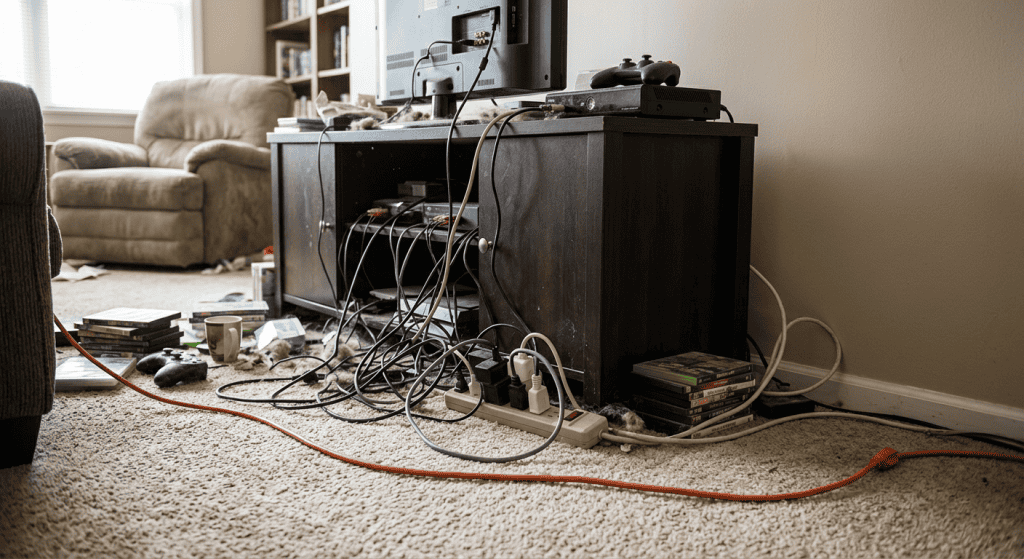
5. You Could End Up Paying Twice for Poor Work
Perhaps the most expensive consequence of choosing an electrical contractor based solely on price is having to pay another electrician to fix or replace previous work.
The True Cost of a Cheap Job
If electrical work needs to be corrected, you could potentially face:
- Additional labour costs
- Replacement materials
- Investigation fees
- Property damage
- Project delays
- Business disruption
- Loss of access to certain areas
In commercial environments, downtime can be particularly costly.
Remedial Work Can Be Complicated
Correcting electrical work isn’t always as simple as replacing a faulty component.
An electrician may need to investigate the existing installation to determine how it was originally configured before making appropriate repairs.
This can add significant time and expense to the project.
Quality First Time Is Usually the Better Investment
Choosing an experienced and reputable electrical contractor doesn’t guarantee that problems will never occur, but it can reduce the risk associated with poor planning, workmanship, and communication.
The objective should be getting the job completed safely and correctly the first time.
How to Compare Electrical Quotes Properly
Choosing a contractor doesn’t have to mean automatically selecting the most expensive quote.
Instead, compare the value behind each proposal.
1. Check the Scope
Make sure each quote covers the same work and clearly identifies exclusions.
2. Ask About Materials
Find out what brands, equipment, and components are included.
3. Consider Experience
Look for electricians with relevant experience in the type of project you’re undertaking.
A residential electrician may not necessarily have the same experience required for a complex commercial, industrial, strata, or Level 2 electrical project.
4. Check Testing and Documentation
Ask whether testing, certification, and relevant documentation are included in the quoted price.
5. Look at Reviews and Reputation
Previous customer experiences can provide valuable insight into communication, reliability, workmanship, and professionalism.
6. Consider Long-Term Value
Ask yourself whether the proposed installation will still meet your needs several years from now.
7. Don’t Ignore Communication
A professional contractor should be willing to explain the quote and answer questions clearly.
If you don’t understand what you’re paying for, ask before accepting the proposal.
The Cheapest Quote Isn’t Always the Cheapest Outcome
There is nothing wrong with wanting a competitive price. In fact, obtaining multiple quotes can be a very sensible way to understand the market and compare available solutions.
The problem occurs when price becomes the only deciding factor.
Electrical work is responsible for powering homes, businesses, buildings, security systems, communications infrastructure, appliances, machinery, and increasingly sophisticated technology.
A few hundred dollars saved at the beginning may not seem significant if it results in additional repairs, upgrades, or disruption later.
Instead, focus on finding a contractor who offers the right combination of:
- Competitive pricing
- Quality workmanship
- Appropriate materials
- Clear communication
- Relevant experience
- Comprehensive scope
- Professional testing
- Long-term support
That approach provides a much clearer picture of the true value behind an electrical quote.
How Spectra Electrical Can Help
At Spectra Electrical, we believe electrical work should be approached with safety, quality, transparency, and long-term performance in mind.
With more than 20 years of experience servicing properties across Sydney, our team works across residential, commercial, industrial, strata, aged care, and other electrical environments.
We provide a wide range of electrical services, including:
- Switchboard upgrades
- Commercial electrical work
- Level 2 electrical services
- Preventative electrical maintenance
- Thermal imaging
- EV charger installations
- LED lighting upgrades
- Data and communications cabling
- Surge protection
- Smart electrical systems
- Electrical fault finding
- New build electrical installations
Our approach is focused on understanding the property’s requirements before recommending an appropriate solution. This allows clients to make informed decisions rather than simply choosing a price without understanding what’s included.
Whether you’re a homeowner planning a renovation, a builder managing a new project, a strata committee upgrading common infrastructure, or a business owner looking after a commercial property, selecting the right electrical contractor can make a significant difference to the quality and longevity of the finished installation.
Final Thoughts
Choosing the cheapest electrical quote can seem like an easy way to reduce project costs, but the lowest upfront price doesn’t necessarily represent the best value.
Lower-quality materials, reduced workmanship, incomplete scopes, poor future planning, and remedial work can all turn an apparently cheap electrical project into a significantly more expensive one.
The smartest approach is to compare quotes based on what you’re actually receiving, not simply the final number at the bottom of the page.
Look at the scope of work, materials, experience, testing, warranties, communication, and long-term suitability of the proposed electrical solution.
Ultimately, quality electrical work is an investment in safety, reliability, and peace of mind. By choosing a qualified and experienced electrical contractor and understanding exactly what your quote includes, you can avoid unnecessary surprises and ensure your electrical project delivers lasting value.