
6 Dangerous Outcomes of Cutting Corners on Electrical Work
Electrical work is one area of property maintenance where taking shortcuts rarely pays off. Whether you’re renovating a home, managing a commercial building, overseeing a strata complex, or operating an industrial facility, the quality of your electrical installation has a direct impact on safety, reliability, and long-term costs.
Unfortunately, many property owners are tempted to cut corners to reduce upfront expenses. Choosing the cheapest quote, delaying essential upgrades, attempting DIY electrical work, or using low-quality materials may appear to save money initially, but these decisions often result in expensive repairs, compliance issues, equipment failures, and serious safety risks.
Unlike cosmetic defects, electrical problems are often hidden behind walls, ceilings, and switchboards, meaning faults can go unnoticed for months or even years before becoming major hazards.
Investing in quality electrical workmanship from the beginning helps protect your family, employees, tenants, customers, and valuable assets while ensuring your electrical system is prepared for modern demands.
In this guide, we’ll explore 6 dangerous outcomes of cutting corners on electrical work, why they occur, and how proactive electrical planning can help you avoid costly mistakes.
1. Increased Risk of Electrical Fires
Poor Electrical Work Creates Hidden Fire Hazards
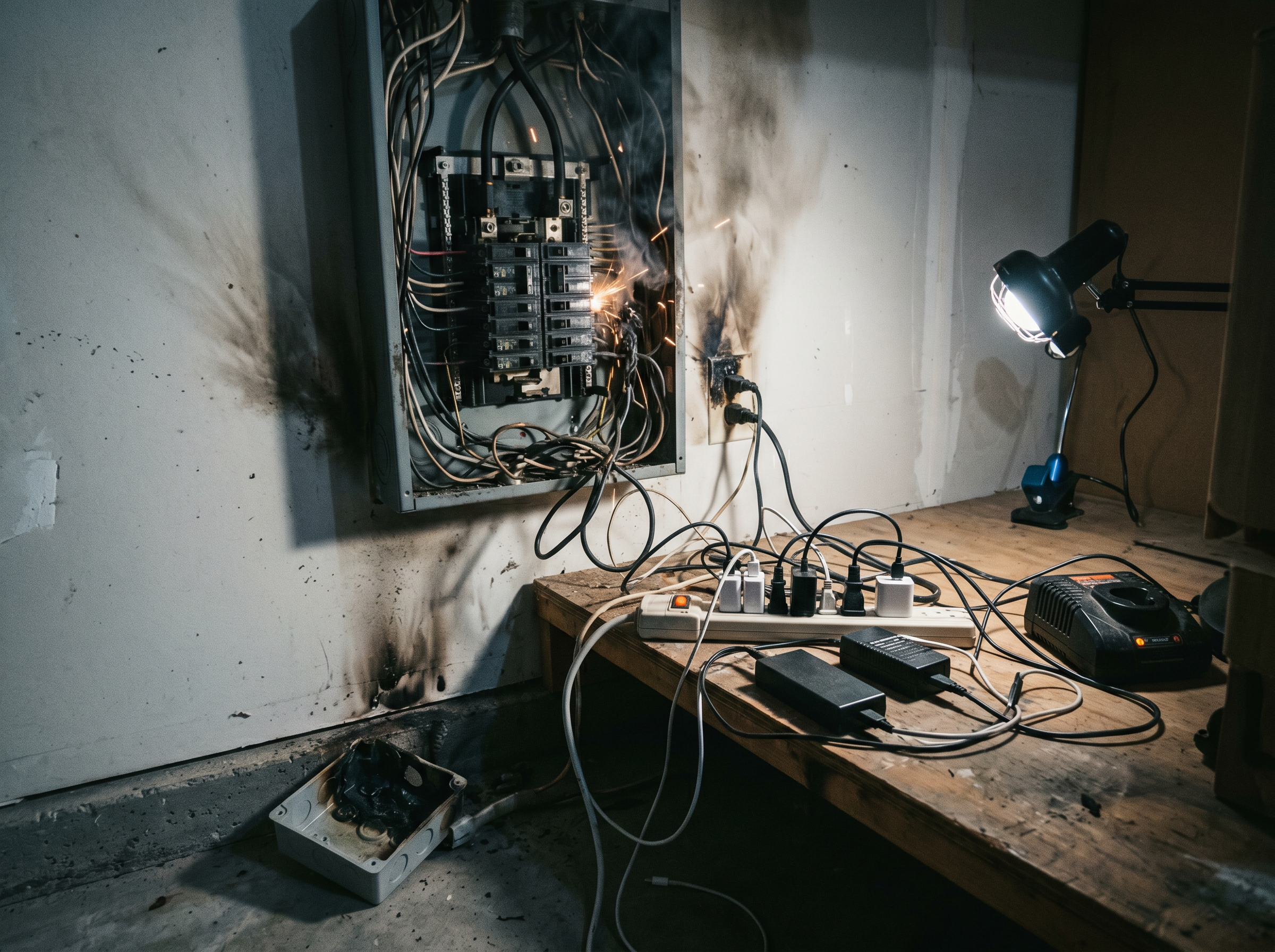
One of the most serious consequences of cutting corners on electrical work is the increased risk of electrical fires.
Poorly installed wiring, loose electrical connections, overloaded circuits, and incorrectly fitted components can all generate excessive heat over time. Because these faults are often concealed behind walls or inside switchboards, they may remain undetected until significant damage has already occurred.
Common Causes of Electrical Fires
Electrical fires are often linked to:
- Loose wiring connections
- Overloaded circuits
- Damaged insulation
- Incorrect cable sizing
- Faulty electrical installations
- Poor-quality electrical components
Prevention Is Always Better Than Repairs
Professional installation, quality materials, and routine electrical inspections significantly reduce the likelihood of hidden faults developing into dangerous fire hazards.
2. Costly Equipment Damage
Sensitive Electronics Need Stable Electrical Systems
Modern homes and businesses rely on expensive electronic equipment every day. Computers, televisions, refrigerators, security systems, smart home devices, air conditioning units, and commercial machinery all depend on a safe and reliable electrical supply.
When electrical work is completed incorrectly, power fluctuations, loose connections, overloaded circuits, or inadequate protection can damage this valuable equipment.
Common Consequences
Poor electrical workmanship may lead to:
- Premature appliance failure
- Damaged computers and servers
- Malfunctioning smart home systems
- Reduced equipment lifespan
- Unexpected repair or replacement costs
- Business downtime
Protecting Your Investment
Professionally installed electrical systems provide consistent power delivery while reducing the risk of costly equipment damage over the long term.
3. Increased Long-Term Repair Costs
Cheap Solutions Often Become Expensive Problems
Choosing the lowest-priced option doesn’t always provide the best value.
Substandard electrical work frequently requires additional repairs, replacement components, or complete reinstallation when faults eventually appear.
In many cases, fixing poor workmanship costs significantly more than completing the work correctly the first time.
Hidden Costs Include
- Repeat electrician call-outs
- Replacing damaged electrical components
- Repairing wall and ceiling finishes
- Rewiring affected circuits
- Replacing damaged appliances
- Emergency repair costs
Invest Once, Benefit for Years
Quality workmanship delivered by licensed electricians provides long-term reliability and helps minimise ongoing maintenance expenses.
4. Electrical Systems That Can’t Support Modern Technology
Homes Are Using More Electricity Than Ever
The average Australian property now consumes considerably more electricity than it did just a decade ago.
Modern lifestyles increasingly include:
- Electric vehicle chargers
- Smart home automation
- Home offices
- High-powered kitchen appliances
- Solar systems
- Battery storage
- Security systems
- High-speed communications equipment
Electrical systems that haven’t been designed or upgraded to accommodate these technologies can quickly become overloaded.
Warning Signs
Properties may experience:
- Frequent circuit breaker trips
- Flickering lights
- Insufficient power outlets
- Reduced appliance performance
- Difficulty adding new electrical circuits
Planning for the Future
Professional electrical planning ensures your infrastructure remains capable of supporting future technologies without requiring costly upgrades later.
5. Non-Compliance With Australian Standards
Compliance Is About More Than Passing Inspections
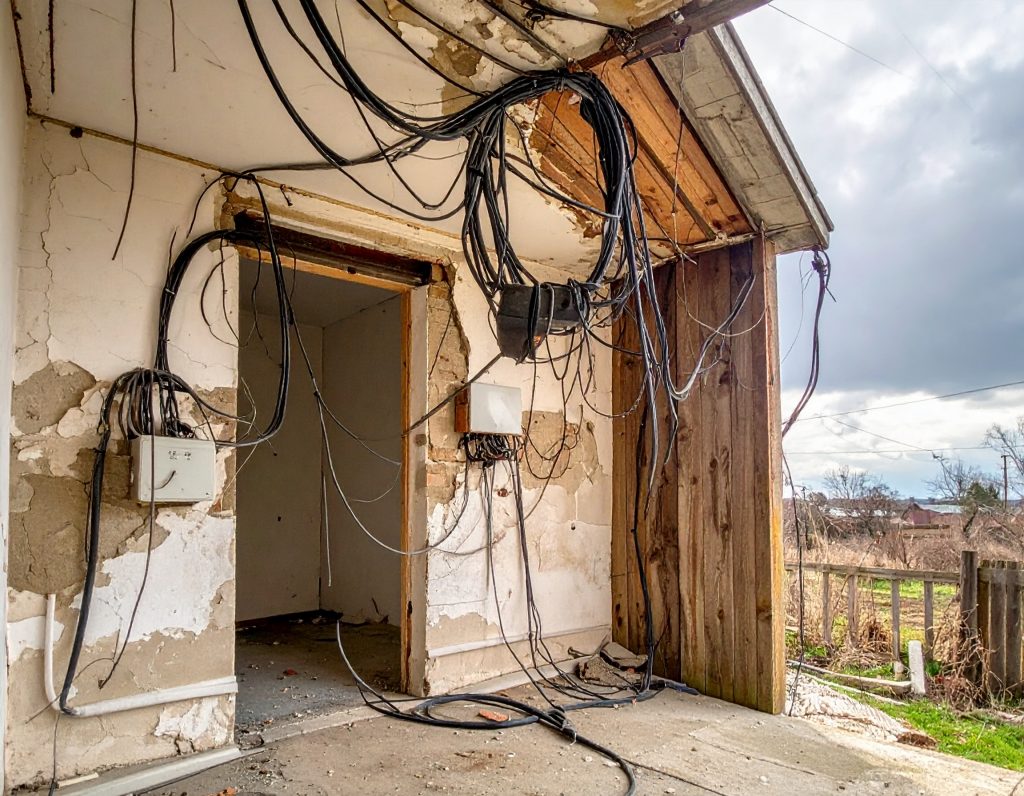
Electrical work in Australia must comply with applicable Australian Standards and relevant electrical regulations.
Using unlicensed contractors or accepting poor-quality workmanship may result in installations that fail to meet required safety standards.
Potential Consequences
Non-compliant electrical work can contribute to:
- Costly rectification work
- Delays during property sales
- Insurance complications
- Workplace safety concerns
- Increased liability for property owners
Why Professional Installation Matters
Licensed electricians understand current Australian Standards and complete installations that prioritise safety, reliability, and long-term compliance.
6. Increased Safety Risks for Occupants
Safety Should Never Be Compromised
Above all else, cutting corners on electrical work places people at unnecessary risk.
Electrical faults can expose homeowners, tenants, employees, customers, and visitors to serious hazards that are often invisible until an incident occurs.
Possible Risks Include
- Electric shock
- Electrical fires
- Equipment failure
- Power outages
- Property damage
- Injury to occupants
Every electrical installation should be completed with safety as the highest priority.
Peace of Mind Comes From Professional Work
Investing in licensed, experienced electricians provides confidence that your electrical system has been installed correctly and is designed to protect both people and property.
Why Quality Electrical Work Is Always Worth the Investment
Electrical work isn’t simply another trade during construction or maintenance—it forms the foundation of how your property operates every day.
Choosing quality workmanship delivers long-term benefits including:
- Improved electrical safety
- Greater system reliability
- Lower maintenance costs
- Better energy efficiency
- Increased property value
- Reduced equipment failures
- Greater future flexibility
Attempting to save money through shortcuts often results in far greater expenses over the life of the property.
Best Practices for Safe and Reliable Electrical Work
Whether you’re renovating, building, upgrading, or maintaining a property, following these best practices helps ensure lasting performance.
Always Use Licensed Electricians
Qualified professionals have the experience and knowledge to complete electrical work safely while complying with Australian Standards.
Invest in High-Quality Materials
Premium electrical products often provide greater durability, reliability, and long-term performance.
Upgrade Ageing Infrastructure
Older switchboards, wiring, and protective devices should be assessed regularly to ensure they continue meeting your property’s electrical demands.
Schedule Preventative Maintenance
Routine inspections allow developing issues to be identified before they become expensive failures.
Plan for Future Technology
Designing your electrical system around future requirements helps avoid unnecessary upgrades as technology continues to evolve.
How Spectra Electrical Can Help
At Spectra Electrical, we understand that quality electrical work is an investment in your property’s long-term safety, performance, and value.
With more than 20 years of experience servicing residential, commercial, industrial, and strata properties across Sydney, our licensed electricians deliver tailored electrical solutions that prioritise reliability, compliance, and future readiness.
Our services include:
- Electrical inspections and safety audits
- Switchboard upgrades
- Complete electrical rewiring
- Preventative electrical maintenance
- LED lighting upgrades
- Smart home automation
- EV charger installations
- Data and communications cabling
- Thermal imaging inspections
- Electrical fault finding
- Commercial and industrial electrical services
- Level 2 ASP services
Whether you’re renovating your home, managing a commercial facility, maintaining a strata property, or planning future electrical upgrades, Spectra Electrical can help ensure every installation is completed safely, professionally, and to the highest industry standards.
Our proactive approach helps clients reduce long-term costs, improve electrical reliability, and avoid the expensive consequences of cutting corners.
Final Thoughts
Electrical shortcuts may seem like an easy way to reduce upfront costs, but they almost always lead to greater expenses and increased risks over time.
Poor workmanship can contribute to electrical fires, damaged equipment, repeated repair bills, outdated infrastructure, compliance issues, and serious safety hazards. These problems often remain hidden until they become disruptive or dangerous.
By investing in licensed electricians, quality materials, preventative maintenance, and professionally planned electrical upgrades, property owners can protect their investment while creating safer, more efficient, and future-ready homes and businesses.
When it comes to electrical work, doing the job properly the first time is always the most cost-effective decision. Partnering with experienced professionals such as Spectra Electrical ensures your electrical system is built to perform reliably, safely, and efficiently for many years to come.