
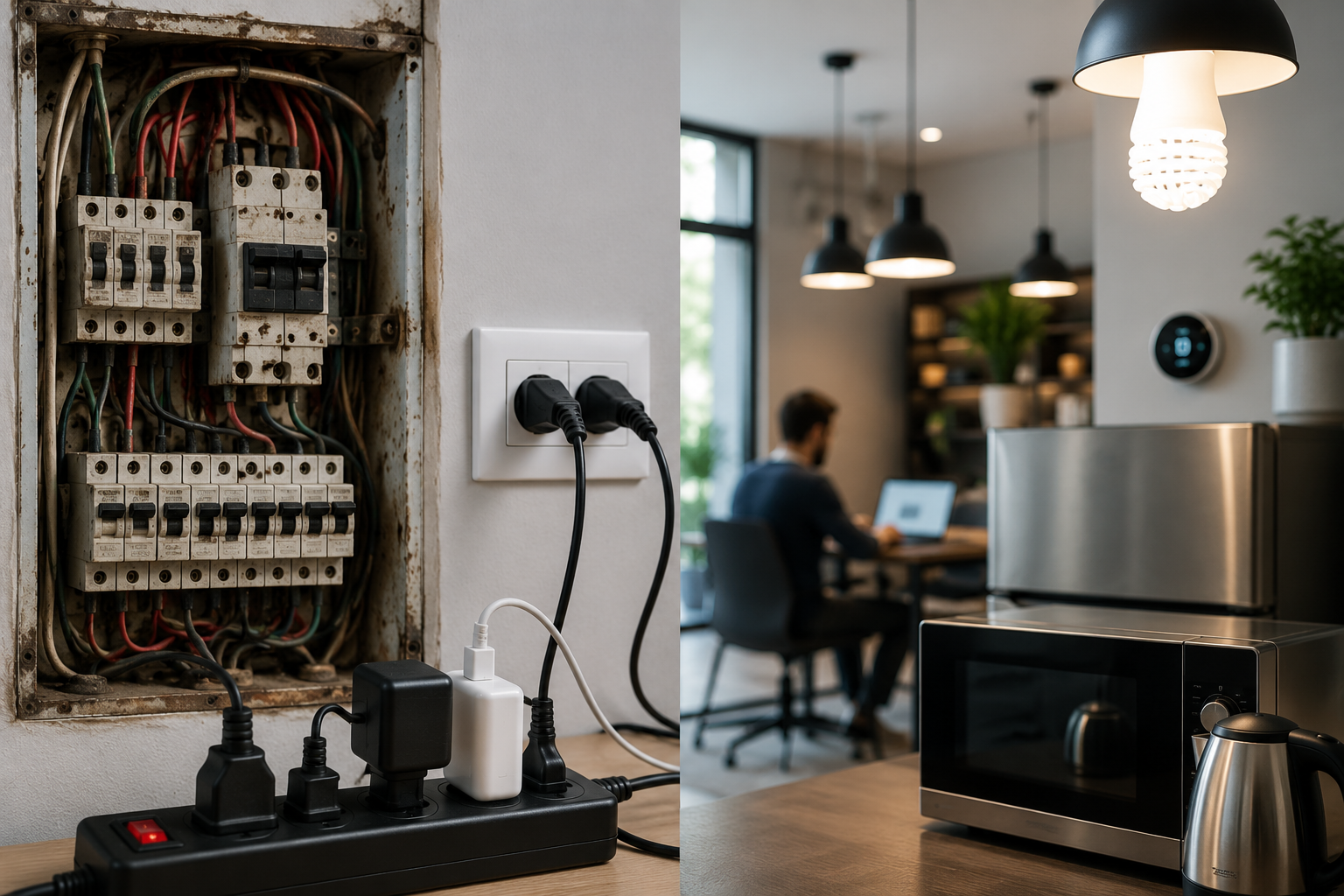
6 Electrical Efficiency Myths That Limit Real Savings
Energy efficiency has become one of the biggest priorities for homeowners and businesses looking to reduce operating costs, improve sustainability, and future-proof their properties. With electricity prices continuing to rise and modern energy demand increasing, more people are searching for ways to improve the efficiency of their electrical systems.
However, despite growing awareness around energy efficiency, many common misconceptions still prevent property owners from achieving genuine long-term savings. In some cases, people invest in short-term “quick fixes” that deliver minimal results while overlooking the electrical upgrades and infrastructure improvements that actually make a meaningful difference.
Electrical efficiency is not simply about using less power — it is about using energy smarter. Modern electrical systems are designed to optimise performance, reduce unnecessary consumption, improve reliability, and support evolving technologies such as smart automation, EV charging, energy monitoring, and renewable energy integration.
Unfortunately, outdated assumptions and common myths often stop people from making the right decisions for their homes or businesses. Understanding the truth behind these misconceptions can help property owners unlock better efficiency, lower operating costs, and improve overall property performance.
Here are 6 electrical efficiency myths that limit real savings and preventing properties from reaching their full potential.
1. “Turning Appliances Off at the Wall Doesn’t Make Much Difference”
One of the most common myths around electrical efficiency is that standby power consumption is too small to matter. Many people assume that once a television, gaming console, computer, or appliance is switched off, it no longer consumes electricity.
In reality, many devices continue drawing power while in standby mode. This is often referred to as “phantom power” or “vampire energy.”
Where Standby Power Often Occurs
Common household and commercial devices that consume standby power include:
- Televisions
- Gaming consoles
- Computers and monitors
- Microwaves
- Coffee machines
- Printers
- Phone chargers
- Smart home systems
While each device may only use a small amount of electricity individually, the combined impact across an entire property can become surprisingly significant over time.
Why This Myth Limits Savings
Leaving multiple devices in standby mode continuously can increase electricity consumption year-round without property owners even realising it.
Although standby power alone may not double electricity bills, reducing unnecessary consumption contributes to broader energy efficiency improvements when combined with other smart electrical practices.
The Better Approach
Using smart power boards, timers, or simply switching devices off completely when not in use can help reduce unnecessary power usage. Smart automation systems can also make this process more convenient and efficient.
2. “Energy-Efficient Lighting Isn’t Worth the Upgrade Cost”
Some property owners avoid upgrading to LED lighting because they focus only on the initial installation cost rather than the long-term savings.
Older lighting technologies such as halogen and fluorescent systems typically consume far more electricity while also requiring more frequent replacement and maintenance.
Why LED Lighting Is More Efficient
Modern LED systems provide:
- Lower energy consumption
- Longer operating lifespan
- Reduced maintenance requirements
- Improved lighting quality
- Lower heat generation
LED lighting can consume significantly less electricity than traditional lighting systems while lasting far longer.
Why This Myth Becomes Expensive
Continuing to operate outdated lighting systems often results in:
- Higher electricity bills
- Increased maintenance costs
- More frequent globe replacements
- Greater heat output and system strain
In commercial environments, inefficient lighting can also negatively impact workplace comfort and productivity.
The Long-Term Value
Energy-efficient lighting upgrades often deliver ongoing savings for many years while improving the overall appearance and functionality of a property.
3. “Older Electrical Systems Are Fine as Long as Nothing Breaks”
Many homes and commercial buildings still rely on ageing electrical infrastructure that was never designed for today’s energy demands.
Because electrical systems operate quietly behind walls and ceilings, people often assume everything is fine unless there is a major fault or outage.
The Problem With Older Systems
Modern properties now support:
- Smart devices
- Air conditioning systems
- EV chargers
- Large appliances
- Data infrastructure
- Home automation systems
Older switchboards, wiring systems, and circuits may struggle to safely and efficiently support these increasing loads.
Hidden Efficiency Problems
Outdated infrastructure can lead to:
- Energy inefficiency
- Voltage instability
- Overloaded circuits
- Excessive heat generation
- Reduced equipment performance
Why This Myth Limits Savings
An inefficient electrical system may consume more energy while also increasing the likelihood of expensive future repairs or upgrades.
The Smarter Solution
Modern switchboard upgrades and electrical infrastructure improvements help properties operate more safely, efficiently, and reliably long term.
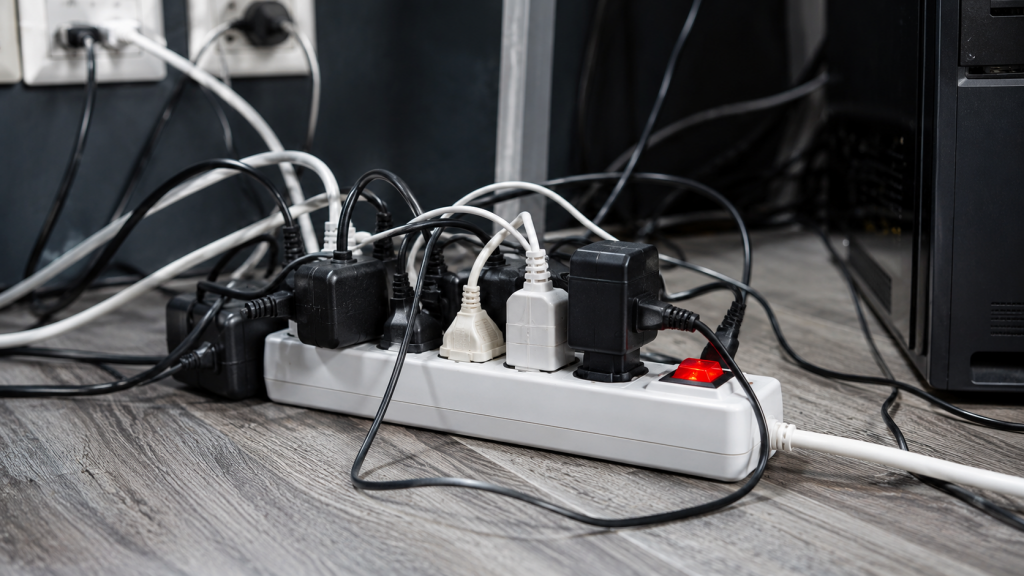
4. “Power Boards Solve Capacity Problems”
Power boards are often used as a quick solution when properties lack sufficient power points. While they may provide temporary convenience, relying heavily on power boards can actually create efficiency and safety issues.
Why This Is a Problem
Overloading circuits with multiple high-demand devices can place unnecessary strain on electrical systems.
Common high-load appliances include:
- Heaters
- Microwaves
- Computers
- Refrigerators
- Air fryers
- Commercial equipment
The Efficiency Issue
Overloaded circuits may:
- Generate excess heat
- Reduce electrical reliability
- Increase energy waste
- Trigger circuit breaker trips
In some cases, poor electrical load management can also reduce the lifespan of connected equipment.
Why This Myth Persists
Many people view power boards as a permanent infrastructure solution when they are really intended for limited convenience use.
A Better Long-Term Investment
Installing additional power points and improving circuit distribution creates a safer, more efficient electrical setup capable of supporting modern demand properly.
5. “Solar Alone Solves Every Energy Problem”
Solar energy systems are an excellent investment for many properties, but one of the biggest misconceptions is believing solar panels alone automatically create maximum energy efficiency.
Why Solar Isn’t the Whole Solution
Without efficient electrical infrastructure, a property may still waste energy even while generating solar power.
True efficiency involves:
- Smart energy management
- Efficient appliances
- Quality electrical infrastructure
- Proper load balancing
- Energy monitoring systems
Common Issues That Reduce Solar Efficiency
Properties with poor infrastructure may experience:
- Inefficient energy usage patterns
- Excessive peak demand
- Outdated switchboards
- Limited monitoring capabilities
Why This Myth Limits Savings
Some property owners install solar systems but fail to optimise the rest of their electrical setup, reducing the overall financial benefit of their investment.
The Smarter Approach
Combining solar systems with:
- LED lighting
- Smart automation
- Energy monitoring
- Efficient appliances
- Modern switchboards
can dramatically improve overall energy performance and long-term savings.
6. “Bigger Systems Always Mean Better Efficiency”
Some people assume that installing larger electrical systems or higher-capacity equipment automatically improves efficiency.
In reality, oversized systems can sometimes create unnecessary energy consumption and operating costs.
Examples of Oversized Systems
- Overpowered air conditioning systems
- Excessively large lighting setups
- Incorrectly sized electrical equipment
- Unnecessary infrastructure expansion
Why Oversizing Can Reduce Efficiency
Systems that are larger than required may:
- Consume more power
- Operate inefficiently
- Increase maintenance costs
- Create unnecessary strain on infrastructure
Why Proper Planning Matters
Electrical efficiency is about designing systems that suit the actual needs of the property rather than simply increasing capacity unnecessarily.
The Best Outcome
Professional electrical planning ensures infrastructure is:
- Correctly sized
- Efficiently designed
- Future-ready
- Scalable when needed
Strategic electrical design often produces far better efficiency outcomes than simply installing larger systems.
Why Energy Efficiency Matters More Than Ever
Modern homes and businesses rely on significantly more electricity than they did even a decade ago.
Today’s properties commonly support:
- Smart home technologies
- EV charging systems
- Advanced entertainment systems
- Commercial automation
- Data infrastructure
- Energy-intensive appliances
As electrical demand continues increasing, improving efficiency has become essential for:
- Lowering operating costs
- Improving sustainability
- Supporting future technologies
- Reducing infrastructure strain
Energy efficiency is no longer just about saving money — it is also about improving long-term property performance and reliability.
The Financial Benefits of Smarter Electrical Infrastructure
Properties with efficient electrical systems often benefit from:
- Reduced energy bills
- Lower maintenance costs
- Improved equipment lifespan
- Better operational reliability
- Reduced downtime
- Improved property value
Strategic electrical upgrades can provide ongoing financial benefits for years into the future.
The Importance of Professional Electrical Advice
Electrical efficiency is not always straightforward. Many efficiency improvements require proper load analysis, infrastructure planning, and professional installation to deliver the best long-term results.
Working with experienced electricians helps ensure systems are:
- Safe
- Compliant
- Properly designed
- Energy-efficient
- Scalable for future demand
Professional guidance can help property owners avoid expensive mistakes while maximising the value of their electrical investments.
How Spectra Electrical Can Help
At Spectra Electrical, we help homeowners, businesses, strata properties, and commercial facilities across Sydney improve energy efficiency through safe, modern, and future-focused electrical solutions.
With over 20 years of industry experience, our team provides services including:
- Energy-efficient lighting upgrades
- Switchboard upgrades
- Smart electrical systems
- Preventative electrical maintenance
- Surge protection installation
- EV charger installation
- Commercial electrical services
- Data and communications infrastructure
- Level 2 electrical services
Our focus is on delivering reliable workmanship, efficient infrastructure solutions, and practical electrical upgrades designed to support long-term savings and performance.
Final Thoughts
Electrical efficiency is often misunderstood, and many outdated assumptions continue limiting the real savings property owners could achieve.
These 6 electrical efficiency myths highlight how small misconceptions can prevent homes and businesses from improving long-term performance, lowering operating costs, and future-proofing their infrastructure.
From upgrading lighting systems and switchboards to improving energy management and infrastructure planning, strategic electrical improvements can make a significant difference over time.
As energy demand continues growing and technology evolves, properties that prioritise smarter electrical efficiency today will be far better positioned for the future.