
6 Legal Electrical Oversights That Catch Owners Off Guard
Electrical systems play a critical role in the safety, functionality, and compliance of every property. While most owners understand the importance of maintaining electrical infrastructure, many are unaware that certain electrical oversights can create legal liabilities as well as operational problems.
Whether you own a home, commercial building, strata property, industrial facility, or investment property, there are legal responsibilities associated with electrical safety and compliance. Unfortunately, many electrical issues remain hidden until they are identified during a property sale, insurance claim, workplace incident, council inspection, or major renovation.
The financial consequences can be significant. Non-compliant electrical installations, inadequate maintenance, and outdated infrastructure can lead to repair costs, project delays, insurance complications, regulatory penalties, and increased liability exposure.
Understanding these common legal electrical oversights can help property owners protect their investments while ensuring their properties remain safe and compliant.
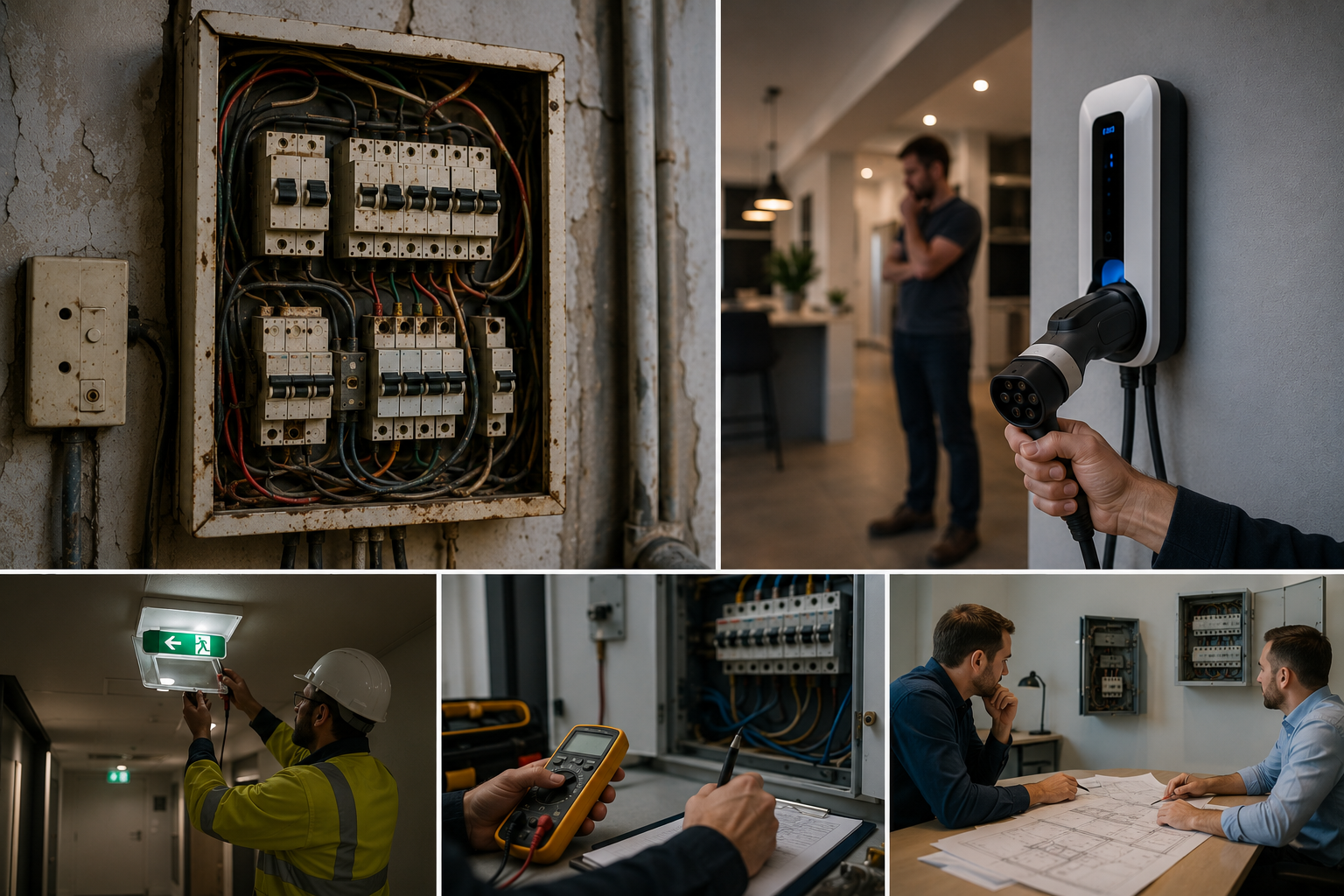
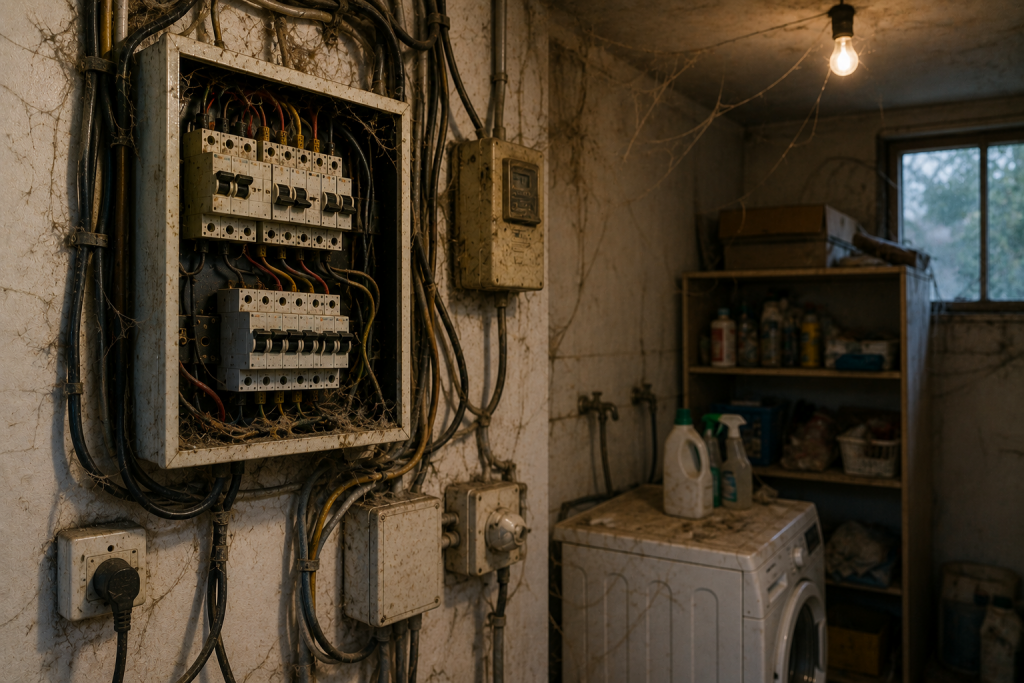
1. Failing to Upgrade Non-Compliant Switchboards
Older Switchboards May No Longer Meet Current Standards
Many Australian properties still operate with switchboards that were installed decades ago.
While they may continue to function, some older switchboards may not provide the level of protection required under modern electrical standards.
Why This Becomes a Legal Issue
If an electrical incident occurs and investigations reveal that the switchboard was outdated or non-compliant, property owners may face questions regarding whether reasonable steps were taken to maintain electrical safety.
Potential issues can arise during:
- Insurance claims
- Property transactions
- Safety investigations
- Renovations
- Workplace assessments
The Importance of Regular Assessments
Having a licensed electrician assess your switchboard can help identify whether upgrades are required to improve safety, reliability, and compliance.
2. Unapproved DIY Electrical Work
One of the Most Common Compliance Problems
DIY projects are popular among homeowners, but electrical work is an area where many people unintentionally create significant legal risks.
Electrical work performed without the appropriate licensing can create serious compliance concerns.
Problems That Often Go Undetected
Examples may include:
- Added power points
- Modified lighting circuits
- Switch replacements
- Garage conversions
- Outdoor electrical installations
In many cases, these works remain hidden until a property inspection or fault occurs.
Why Owners Get Caught Off Guard
During property sales, renovations, or insurance assessments, unapproved electrical work may be identified.
This can result in:
- Additional rectification costs
- Delays to property transactions
- Compliance issues
- Insurance complications
Professional installation helps ensure electrical work meets relevant requirements and safety standards.
3. Neglecting Mandatory Testing and Maintenance Requirements
Electrical Compliance Extends Beyond Installation
Many owners assume that once electrical equipment is installed, no further action is required.
However, certain environments have ongoing obligations relating to electrical maintenance and testing.
Common Examples
Requirements may apply to:
- Commercial buildings
- Industrial facilities
- Rental properties
- Construction sites
- Strata properties
- Public-access facilities
Potential Consequences
Failure to maintain electrical systems appropriately may contribute to:
- Increased liability exposure
- Equipment failures
- Safety concerns
- Compliance issues during audits or inspections
Routine maintenance helps demonstrate a proactive approach to electrical safety.
4. Overlooking Emergency and Safety Systems
Critical Infrastructure Is Often Forgotten
Emergency lighting, exit lighting, backup power systems, and safety equipment are often installed and then largely forgotten until needed.
Unfortunately, these systems require regular inspection and maintenance.
Why Compliance Matters
Emergency systems exist to support occupants during unexpected events.
If these systems fail during an emergency, owners may face questions regarding maintenance records and compliance responsibilities.
Areas Commonly Overlooked
Examples include:
- Emergency lighting
- Exit signage
- Backup generators
- Fire indicator panels
- Emergency power systems
Regular testing helps ensure these systems operate when required.
5. Ignoring Electrical Issues Identified During Property Purchases
Problems Often Surface During Inspections
Building and electrical inspections frequently identify issues that require further investigation or rectification.
Some buyers assume that minor electrical observations can be addressed later.
The Risk of Delaying Action
Over time, seemingly small electrical concerns may develop into larger problems.
Examples can include:
- Ageing wiring
- Outdated switchboards
- Faulty safety devices
- Circuit capacity limitations
Why Early Action Is Beneficial
Addressing identified electrical issues early often reduces:
- Future repair costs
- Compliance concerns
- Safety risks
- Upgrade complexity
Proactive action can also improve long-term property value.
6. Failing to Plan for Modern Electrical Demands
Electrical Expectations Have Changed
Today’s properties consume significantly more electricity than they did even ten years ago.
Modern infrastructure often needs to support:
- Electric vehicle chargers
- Smart home systems
- Security networks
- Home offices
- Renewable energy systems
- Battery storage solutions
How This Creates Legal and Compliance Challenges
Property owners sometimes install new technologies without assessing whether the existing electrical infrastructure can safely support them.
This can create:
- Overloaded circuits
- Capacity limitations
- Compliance concerns
- Safety risks
Future-Proofing Reduces Risk
Planning electrical upgrades before introducing major new loads helps ensure systems remain compliant, reliable, and safe.
Why Electrical Compliance Matters
Electrical compliance is not simply about avoiding penalties or passing inspections.
Properly maintained and compliant electrical systems help protect:
- Occupants
- Property assets
- Business operations
- Equipment
- Investment value
When electrical systems are neglected, the consequences often extend beyond repair costs. Compliance issues can affect insurance outcomes, property transactions, tenant relationships, and operational continuity.
Taking a proactive approach helps reduce uncertainty while supporting long-term property performance.
How Property Owners Can Stay Ahead
Many legal electrical issues arise because problems develop gradually over time.
A proactive strategy should include:
Regular Electrical Inspections
Routine inspections help identify developing issues before they become major concerns.
Ongoing Maintenance Programs
Preventative maintenance helps improve reliability while reducing the likelihood of unexpected failures.
Professional Electrical Upgrades
Major electrical work should always be completed by qualified professionals who understand current standards and compliance requirements.
Future Planning
Electrical systems should be designed with future growth in mind, particularly as technology adoption continues to accelerate.
Future-Proofing Electrical Infrastructure
As electrical demand increases, property owners who invest in modern infrastructure often experience fewer compliance challenges and operational disruptions.
Future-ready properties commonly incorporate:
- Modern switchboards
- Surge protection systems
- EV charging capability
- Smart energy monitoring
- Backup power solutions
- Data and communications infrastructure
By planning ahead, owners can create safer, more efficient, and more adaptable electrical systems that support future technologies and changing requirements.
How Spectra Electrical Can Help
At Spectra Electrical, we help homeowners, businesses, strata managers, facility managers, and commercial property owners across Sydney maintain safe, compliant, and future-ready electrical systems.
With more than 20 years of industry experience, our team provides:
- Electrical inspections and audits
- Switchboard upgrades
- Preventative maintenance programs
- EV charger installations
- Emergency and backup power solutions
- Data and communications cabling
- Commercial electrical services
- Strata electrical services
- Level 2 electrical services
Our focus is on helping clients minimise risk, improve reliability, and ensure their electrical infrastructure remains capable of supporting both current and future requirements.
Final Thoughts
Many electrical compliance issues don’t become apparent until they create costly disruptions, delays, or liabilities.
Failing to upgrade ageing switchboards, overlooking maintenance obligations, relying on unapproved electrical work, neglecting emergency systems, ignoring inspection findings, and failing to plan for future demand are all common oversights that can catch owners off guard.
The good news is that most of these risks can be avoided through proactive inspections, preventative maintenance, strategic upgrades, and professional electrical advice.
By taking a forward-thinking approach to electrical compliance, property owners can protect their investments, improve safety, and reduce the likelihood of unexpected legal or financial complications in the future.