
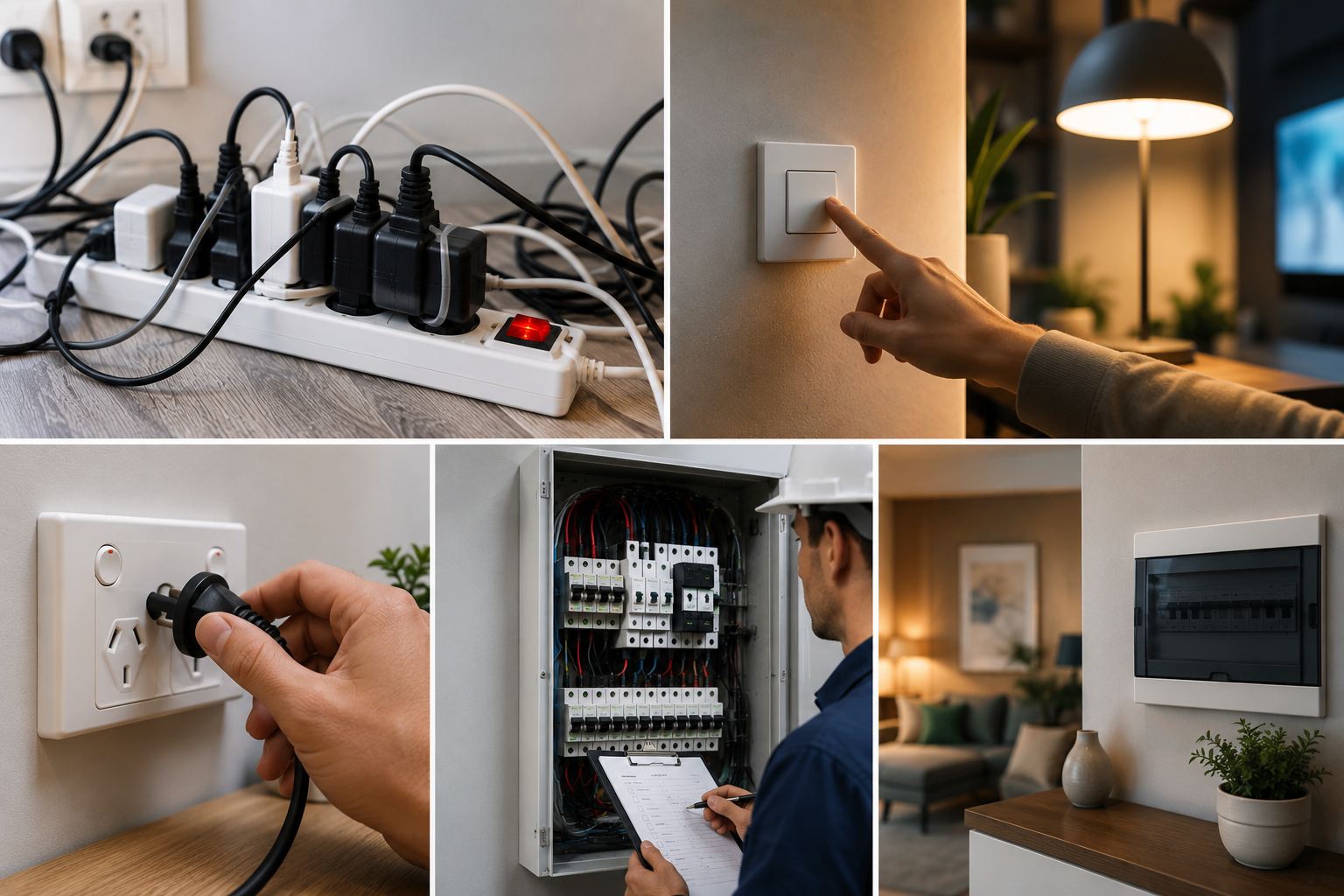
7 Risk-Reducing Power Habits That Feel Effortless
Electrical safety is often associated with major upgrades, expensive equipment, or complex maintenance programs. While those investments certainly play an important role, some of the most effective ways to reduce electrical risks actually come from simple habits that require very little effort.
Whether you’re a homeowner, business owner, property manager, or facility operator, developing smart electrical habits can significantly reduce the likelihood of equipment failure, power disruptions, safety incidents, and costly repairs. The best part is that many of these habits can be adopted immediately and maintained with minimal ongoing effort.
As modern properties become increasingly dependent on technology, electrical systems are working harder than ever before. Smart appliances, home automation systems, EV chargers, security systems, commercial equipment, and data infrastructure all place additional demands on electrical networks. Without proper attention, small issues can gradually develop into major problems.
Fortunately, reducing electrical risk doesn’t always require major changes. By implementing a few simple but powerful habits, property owners can improve reliability, increase safety, and protect valuable assets for years to come.
Here are 7 risk-reducing power habits that feel effortless but can make a significant difference to your property’s electrical performance.
1. Pay Attention to Small Warning Signs
The Most Expensive Problems Often Start Small
One of the most common mistakes property owners make is ignoring minor electrical issues because they seem harmless.
Small warning signs can often indicate larger underlying problems developing within an electrical system.
Common warning signs include:
- Flickering lights
- Frequently tripping circuit breakers
- Warm power points
- Buzzing sounds from electrical equipment
- Burning smells
- Intermittent power outages
- Light switches that feel hot
Many people assume these issues are temporary or insignificant. However, electrical faults rarely resolve themselves.
Why This Habit Matters
Addressing small concerns early often prevents:
- Larger system failures
- Equipment damage
- Costly emergency repairs
- Safety hazards
- Unplanned downtime
Effort Required
Very little. Simply paying attention to unusual electrical behaviour and arranging professional inspection when concerns arise can dramatically reduce long-term risk.
2. Avoid Overloading Power Boards
Convenience Can Create Hidden Problems
Power boards are useful tools, but many people unintentionally treat them as permanent solutions for increasing electrical capacity.
In both homes and businesses, overloaded power boards remain one of the most common electrical risks.
Typical high-demand appliances include:
- Portable heaters
- Microwaves
- Refrigerators
- Gaming systems
- Commercial equipment
- Air fryers
- Computers and monitors
Running multiple high-load devices through a single power board can place significant stress on circuits.
Why This Habit Matters
Avoiding overload situations helps:
- Reduce heat build-up
- Protect connected equipment
- Improve electrical reliability
- Minimise fire risks
- Extend equipment lifespan
Effort Required
Minimal. Simply distribute electrical loads appropriately and avoid connecting multiple high-demand devices to the same power board.
3. Switch Off Equipment That Isn’t Being Used
Small Changes Create Long-Term Benefits
Many homes and businesses leave equipment running continuously even when it’s not needed.
Common examples include:
- Office equipment
- Entertainment systems
- Chargers
- Appliances
- Commercial machinery
- Display screens
While individual devices may only consume small amounts of power, unnecessary usage accumulates over time.
Why This Habit Matters
Switching off unused equipment can help:
- Reduce energy waste
- Lower electricity costs
- Reduce system demand
- Extend equipment lifespan
- Improve overall efficiency
Beyond Cost Savings
Reducing unnecessary electrical load can also decrease stress on infrastructure, helping systems operate more reliably over the long term.
Effort Required
Very little. Many smart devices and automation systems can even perform this function automatically.
4. Schedule Regular Electrical Inspections
Prevention Is Always Cheaper Than Repair
Most people service their vehicles regularly but rarely think about inspecting the electrical systems that power their homes or businesses.
Electrical systems operate behind walls, ceilings, switchboards, and equipment rooms, making it easy to overlook developing issues.
What Inspections Can Identify
Routine inspections may uncover:
- Deteriorating wiring
- Loose connections
- Overloaded circuits
- Switchboard issues
- Compliance concerns
- Equipment wear
Why This Habit Matters
Regular inspections help:
- Identify faults early
- Reduce unexpected breakdowns
- Improve safety
- Maintain compliance
- Protect valuable assets
Effort Required
Extremely low. Scheduling periodic inspections can provide significant protection with very little disruption.
5. Use Surge Protection for Sensitive Equipment
Modern Properties Depend on Technology
Today’s homes and businesses contain thousands of dollars worth of sensitive electronics.
Examples include:
- Computers
- Servers
- Security systems
- Smart home devices
- Appliances
- Entertainment systems
- Network equipment
Many people only think about surge protection during storm season, but power surges can occur throughout the year.
Common Causes of Power Surges
- Lightning activity
- Utility network switching
- Equipment cycling
- Internal electrical faults
- Grid disturbances
Why This Habit Matters
Proper surge protection helps:
- Reduce equipment damage
- Protect data systems
- Improve reliability
- Prevent expensive replacements
Effort Required
Once installed, surge protection works continuously in the background with virtually no ongoing effort required.
6. Keep Switchboards Accessible and Organised
An Often Overlooked Safety Habit
Many switchboards gradually become blocked by storage items, furniture, equipment, or other obstacles.
In emergencies, quick access to a switchboard can be critical.
Why Accessibility Matters
Accessible switchboards allow:
- Faster fault isolation
- Quicker emergency response
- Easier maintenance
- Safer inspections
- Improved operational efficiency
Labelling Makes a Difference
Proper circuit identification also helps property owners understand:
- Which circuits serve specific areas
- How electrical loads are distributed
- Where problems may originate
Effort Required
Very little. Keeping switchboards clear and properly labelled is a simple habit that can significantly improve safety and convenience.
7. Stay Ahead of Growing Electrical Demand
Modern Energy Use Is Increasing Rapidly
Electrical systems that performed perfectly ten years ago may struggle to meet today’s requirements.
Properties now commonly include:
- Smart home systems
- EV chargers
- High-performance appliances
- Air conditioning systems
- Security infrastructure
- Connected technologies
As demand increases, older electrical systems may become strained.
Why This Habit Matters
Proactively reviewing electrical capacity helps:
- Prevent overloads
- Improve reliability
- Support future upgrades
- Reduce emergency failures
Planning Ahead Pays Off
Rather than waiting for systems to fail, forward planning allows property owners to make strategic improvements before problems occur.
Effort Required
Occasional consultation with a qualified electrician can ensure your infrastructure remains suitable for future needs.
Why Small Electrical Habits Have a Big Impact
Many people assume electrical safety and reliability are determined solely by equipment quality. While quality infrastructure is important, everyday habits also play a major role.
Small actions repeated consistently often provide substantial long-term benefits.
These habits help reduce:
- Safety risks
- Equipment failures
- Unexpected downtime
- Maintenance costs
- Energy waste
Most importantly, they help create a more reliable and resilient electrical environment.
The Link Between Reliability and Cost Savings
Electrical failures can be expensive.
Unexpected outages and equipment failures often result in:
- Repair costs
- Productivity losses
- Business disruption
- Equipment replacement expenses
- Emergency callout fees
Simple preventative habits help minimize these risks while improving overall system performance.
In many cases, the cost of prevention is significantly lower than the cost of recovery.
Building a Future-Ready Electrical System
Technology continues evolving rapidly, and electrical systems must evolve alongside it.
Properties that adopt proactive habits today are often better positioned to support:
- Smart home technologies
- EV charging infrastructure
- Renewable energy integration
- Advanced automation systems
- Future electrical upgrades
Risk reduction and future planning often go hand in hand.
The more awareness property owners have about their electrical systems, the easier it becomes to make informed decisions that support long-term performance.
How Spectra Electrical Can Help
At Spectra Electrical, we help homeowners, businesses, strata properties, and facility managers across Sydney maintain safe, reliable, and future-ready electrical systems.
With more than 20 years of industry experience, our team provides:
- Preventative electrical maintenance
- Switchboard upgrades
- Surge protection installation
- EV charger installation
- Energy-efficient lighting upgrades
- Commercial electrical services
- Smart electrical systems
- Data and communications infrastructure
- Level 2 electrical services
Our focus is on delivering practical electrical solutions that improve safety, reliability, efficiency, and long-term performance.
Whether you’re looking to reduce electrical risks, improve system reliability, or prepare your property for future growth, our experienced team is ready to help.
Final Thoughts
Electrical reliability doesn’t always require major investments or complicated strategies.
These 7 risk-reducing power habits demonstrate how simple, low-effort actions can significantly improve safety, reduce costly failures, and support better long-term performance.
By paying attention to warning signs, avoiding overloaded circuits, scheduling inspections, using surge protection, and planning ahead for future demand, property owners can create safer and more dependable electrical environments.
The most effective electrical habits are often the simplest ones—and when practised consistently, they can deliver lasting benefits for years to come.