
8 Alarming Fire Risks Hidden in Everyday Electrical Systems
Electrical systems are essential to modern homes and businesses, powering everything from lighting and kitchen appliances to air conditioning, computers and electric vehicle chargers. However, behind the convenience of everyday electricity are potential fire risks that can go unnoticed until a serious problem develops.
Damaged wiring, overloaded power boards, deteriorating connections and ageing switchboards can all contribute to electrical hazards. The challenge is that many of these problems remain hidden inside walls, behind appliances or within electrical enclosures, making them difficult to identify through casual observation alone.
For homeowners, landlords, strata committees and business owners across Sydney, understanding these risks is an important step towards improving electrical safety and preventing avoidable property damage.
The good news is that recognising warning signs, using electrical equipment correctly and arranging professional inspections can help reduce the likelihood of electrical fires.
Here are 8 alarming fire risks hidden in everyday electrical systems, along with practical steps to help keep your property safer.
1. Overloaded Power Boards and Electrical Outlets
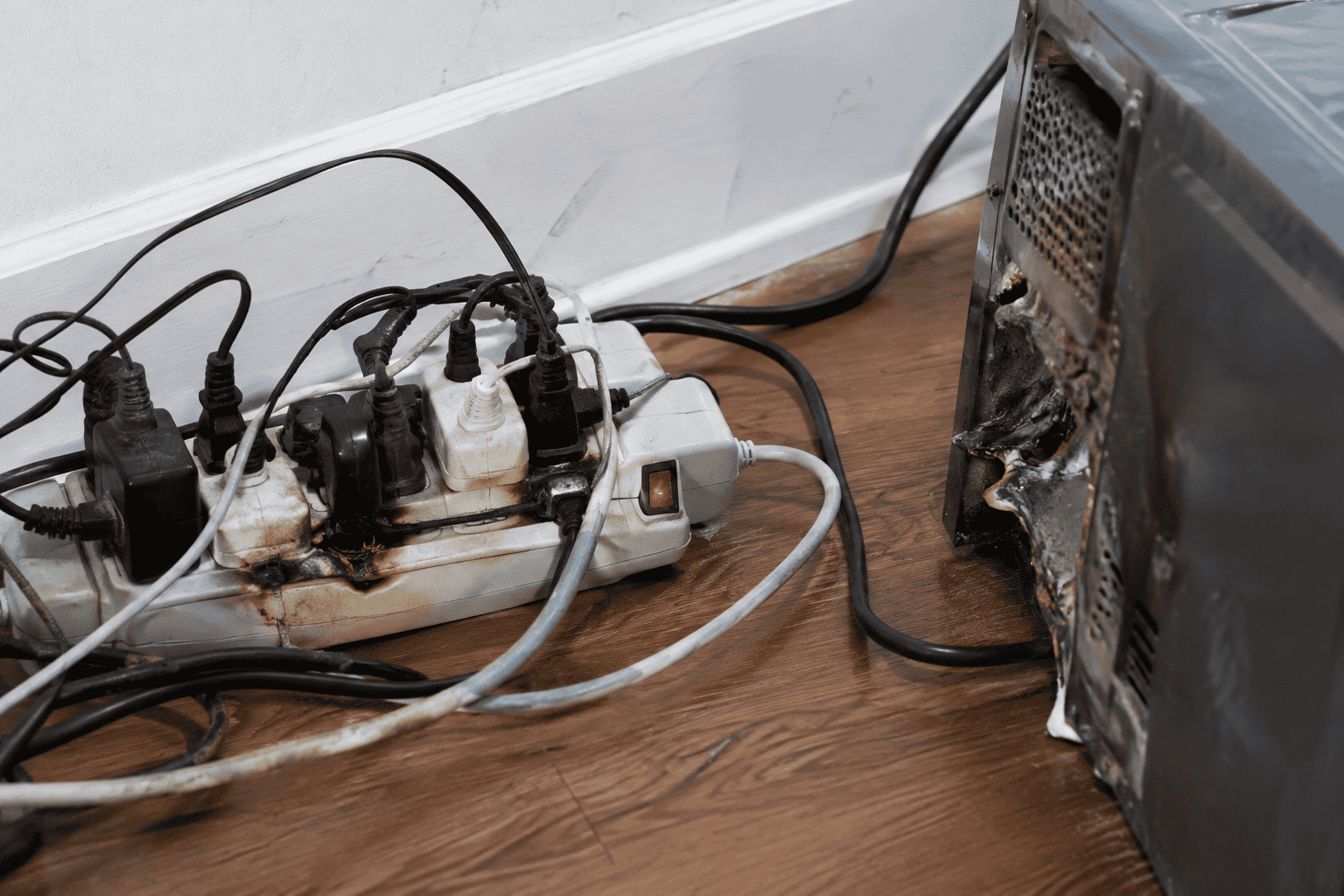
Power boards provide a convenient way to connect multiple appliances, but they can become a fire hazard when used incorrectly.
Connecting too many appliances to a single outlet or power board can exceed its rated capacity. High-demand appliances, such as portable heaters, kettles and some kitchen equipment, can draw substantial current and should only be connected in accordance with their manufacturer’s instructions.
Why Overloading Creates a Fire Risk
Electrical wiring, plugs and power boards are designed to operate within specified limits. Excessive current can generate heat, potentially damaging insulation and surrounding materials.
Daisy-chaining power boards by connecting one into another can also create unsafe arrangements and increase the risk of overloading.
How to Reduce the Risk
- Check the rated capacity of power boards and electrical equipment.
- Avoid connecting power boards to other power boards.
- Keep electrical connections free from clutter and obstructions.
- Never use damaged, discoloured or unusually hot power boards.
- Have an electrician assess outlets that show signs of overheating.
Where several high-demand appliances need power in the same area, a licensed electrician can determine whether additional fixed outlets or circuit improvements are appropriate.
2. Ageing or Damaged Electrical Wiring
Electrical wiring can deteriorate over time, particularly when exposed to heat, moisture, pests, physical damage or unsuitable installation conditions.
In older properties, wiring may have been installed decades ago and could require assessment, especially if the building has undergone multiple renovations or changes in electrical demand.
The Hidden Dangers Behind Walls
Damaged insulation can expose conductors or allow electrical faults to develop. Depending on the circumstances, these faults may cause arcing, excessive heat or ignition of nearby combustible materials.
Because much of a property’s wiring is concealed, problems may not be obvious until symptoms appear.
Warning signs can include repeatedly tripping circuit breakers, unexplained interruptions, burning smells or discolouration around outlets and switches.
When Should Wiring Be Inspected?
Consider a professional electrical assessment if your property has ageing infrastructure, a history of electrical faults or recently completed renovations involving electrical work.
Never attempt to access concealed wiring or repair damaged cables yourself. A licensed electrician can investigate the problem and determine whether repairs, replacement or further testing are necessary.
3. Faulty or Deteriorating Switchboards
Your switchboard distributes electricity throughout your property and houses protective devices designed to respond to electrical faults.
Although switchboards are often overlooked when everything appears to be working, deteriorating components or defective connections can create serious electrical hazards.
What Can Go Wrong Inside a Switchboard?
Loose connections, damaged components and deteriorating insulation can generate excessive heat. In some circumstances, electrical arcing may occur and damage surrounding materials.
Older switchboards may also lack some of the protective features found in modern installations, although the condition and suitability of any particular switchboard must be assessed individually.
Warning Signs You Should Never Ignore
Look for external warning signs such as:
- Burning smells near the switchboard.
- Scorch marks or discolouration.
- Unusual buzzing or crackling.
- Repeatedly tripping circuit breakers.
- Visible damage or corrosion.
Never remove a switchboard cover or touch internal components to investigate a suspected problem.
A licensed electrician can inspect the installation, assess the condition of its protective devices and recommend appropriate repairs or upgrades.
4. Loose Electrical Connections and Overheating Terminals
Electrical connections must maintain reliable contact to carry current safely. Over time, connections can deteriorate because of vibration, thermal cycling, corrosion, mechanical damage or poor workmanship.
A loose or defective connection can develop increased electrical resistance, causing localised heating when current flows.
Why This Risk Can Remain Hidden
A connection may continue supplying electricity even while its temperature rises abnormally. This can make the problem difficult to recognise without appropriate inspection and testing.
If excessive heating continues, it may damage terminals, insulation and surrounding equipment. In more serious cases, arcing can contribute to ignition.
These problems can occur in switchboards, distribution equipment, outlets and other electrical components.
How Thermal Imaging Can Help
Thermal imaging uses an infrared camera to identify unusual temperature patterns on accessible equipment surfaces.
During a suitable inspection, an electrician may identify a connection that is significantly hotter than comparable components and investigate the cause.
Thermal imaging does not diagnose every electrical fault or replace other testing methods, but it can be a useful tool within a preventative maintenance program.
5. Damaged Appliances, Plugs and Extension Leads
Everyday electrical appliances can become fire hazards when damaged, poorly maintained or used incorrectly.
Frayed cords, cracked plugs, damaged insulation and loose connections can expose users to electrical hazards and potentially contribute to overheating or ignition.
Extension leads can be particularly vulnerable when they are repeatedly bent, crushed beneath furniture, run through doorways or exposed to moisture.
Common Mistakes That Increase Risk
Some seemingly harmless habits can create unnecessary danger, including:
- Continuing to use appliances with damaged cords.
- Using extension leads as a permanent substitute for suitable fixed outlets.
- Covering operating electrical equipment with clothing or other materials.
- Placing electrical equipment near water.
- Ignoring unusual heat, smells or intermittent operation.
Appliances also need sufficient ventilation where required by the manufacturer. Restricting airflow can cause equipment to overheat.
What Should You Do?
Stop using visibly damaged equipment and arrange appropriate repair or replacement. Do not attempt to repair plugs, cords or internal electrical components unless you are appropriately qualified.
If an appliance repeatedly trips a protective device, investigate the cause rather than continuing to reset the circuit and use it.
6. Inadequate Electrical Protection and Faulty Safety Switches
Electrical protective devices help reduce the risks associated with faults, but different devices serve different purposes.
Circuit breakers primarily protect electrical circuits against excessive current, including overloads and short circuits. Safety switches, also known as residual current devices (RCDs), detect certain electrical leakage conditions and disconnect the affected circuit.
Neither device should be assumed to eliminate every electrical fire risk.
Why Protection Matters
If a protective device is defective, incorrectly selected or unsuitable for the installation, an important layer of protection may be compromised.
Safety switches are particularly important for reducing the risk of electric shock, while appropriate overcurrent protection helps protect wiring against conditions that could cause excessive heating.
The correct arrangement depends on the electrical installation and applicable requirements.
Keep Protective Devices in Good Condition
Follow the manufacturer’s instructions and applicable NSW guidance for testing safety switches. If a device fails its test or repeatedly trips, arrange an assessment by a licensed electrician.
Never bypass a protective device, replace it with an unsuitable component or assume that a switchboard is safe simply because it has modern-looking breakers.
A professional assessment can establish whether the existing protection is appropriate and functioning correctly.
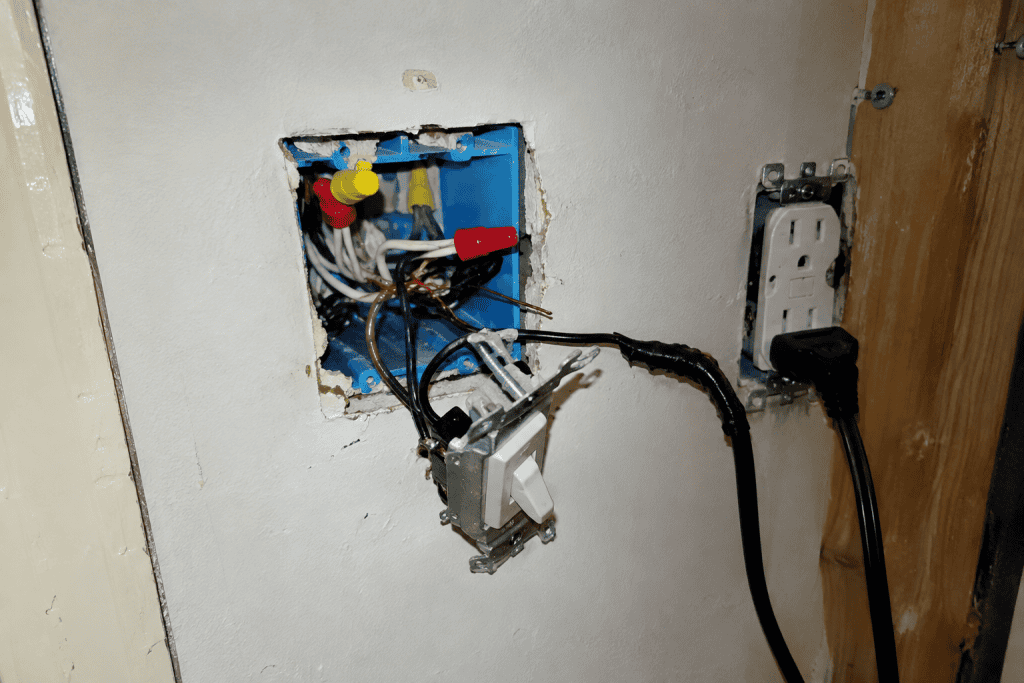
7. Poorly Installed Electrical Upgrades and DIY Wiring
Home renovations often introduce new electrical demand through additional lighting, power points, air conditioning, kitchen appliances and other equipment.
However, electrical alterations that are poorly planned or incorrectly installed can create hazards that remain hidden after the renovation is complete.
Why DIY Electrical Work Is Dangerous
Incorrect cable selection, unsuitable connections, inadequate circuit protection and poor installation practices can contribute to overheating, electrical faults and fire.
Problems may not become apparent immediately. A circuit might operate normally under light demand but develop difficulties when several appliances run simultaneously.
In NSW, electrical wiring work must be performed by, or under the supervision of, a licensed electrician. Certain work involving the connection between a property and the electricity network may require an appropriately accredited Level 2 Accredited Service Provider.
Plan Upgrades Properly
Before adding new electrical equipment, have the installation assessed to determine whether the existing circuits and switchboard can accommodate the additional load.
This is particularly important when installing EV chargers, upgrading kitchens, adding air conditioning or renovating older homes.
Professional installation and appropriate testing help identify problems before equipment is put into service.
8. Overheating Equipment and Poor Electrical Maintenance
Electrical equipment can generate heat during normal operation. However, excessive or abnormal temperatures may indicate a problem that needs attention.
Motors, transformers, distribution equipment and other electrical components can overheat because of excessive loading, inadequate cooling, defective connections or deteriorating parts.
Why Preventative Maintenance Matters
When electrical equipment is used continuously, small defects can develop into more significant failures if they are not investigated.
In commercial buildings, strata properties and industrial facilities, an electrical fault can also interrupt essential operations and create costly downtime.
A preventative maintenance program helps property owners identify defects, prioritise repairs and keep records of equipment condition.
Make Inspections Part of Your Safety Strategy
Depending on the property and equipment, maintenance may include visual inspections, appropriate electrical testing, switchboard assessments and thermal imaging.
The frequency and scope should reflect the installation, operating conditions, applicable requirements and recommendations from qualified professionals.
If you notice smoke, burning smells, unusual crackling or visible signs of electrical overheating, keep clear and seek urgent assistance. If a fire develops or there is immediate danger, evacuate and call Triple Zero (000).
How to Reduce Electrical Fire Risks in Your Property
Preventing electrical fires requires more than responding when something goes wrong. Regular maintenance, responsible equipment use and timely repairs can help reduce avoidable risks.
Arrange Professional Electrical Inspections
If your property has ageing wiring, recurring electrical faults or an older switchboard, arrange an inspection with a licensed electrician.
The appropriate inspection will depend on the property’s age, condition, electrical demand and previous maintenance history.
Keep Smoke Alarms Operational
Smoke alarms provide an important additional layer of fire safety by alerting occupants when smoke is detected.
Install and maintain suitable smoke alarms in accordance with NSW requirements and the manufacturer’s instructions. Test them regularly and replace faulty units promptly.
Investigate Warning Signs Early
Never ignore burning smells, unusual electrical noises, discoloured outlets or equipment that becomes excessively hot.
If you suspect an electrical fault, stop using the affected equipment if safe to do so and arrange professional assistance. If there is smoke, an active fire or immediate danger, evacuate and call Triple Zero (000).
Speak to Spectra Electrical About Electrical Safety
Electrical fire risks are not always visible, which makes professional assessment and preventative maintenance particularly valuable for older homes, commercial premises and strata buildings.
Spectra Electrical can assist property owners and businesses with electrical inspections, switchboard upgrades, preventative maintenance and thermal imaging to help identify potential issues requiring further investigation.
Whether you’re concerned about aging electrical infrastructure, recurring faults or the condition of your switchboard, an assessment can help establish the next steps.
Contact Spectra Electrical on 1300 665 587 to discuss your electrical safety and maintenance requirements. Addressing warning signs early can help reduce avoidable risks, protect electrical assets and support a safer property.
Conclusion
Electrical fire risks can develop in everyday systems without obvious warning. Overloaded power boards, ageing wiring, deteriorating switchboards, loose connections, damaged appliances, inadequate protection, poor installation work and overheating equipment can all create hazards that deserve attention.
The key is to recognise warning signs, use electrical equipment correctly and avoid postponing necessary repairs.
For homeowners and property managers, preventative maintenance is a practical way to identify potential problems and make informed decisions about electrical upgrades.
Don’t wait for smoke, sparks or equipment failure before taking electrical safety seriously. Arrange a professional assessment, address faults promptly and make electrical fire prevention part of your ongoing property maintenance plan.
