
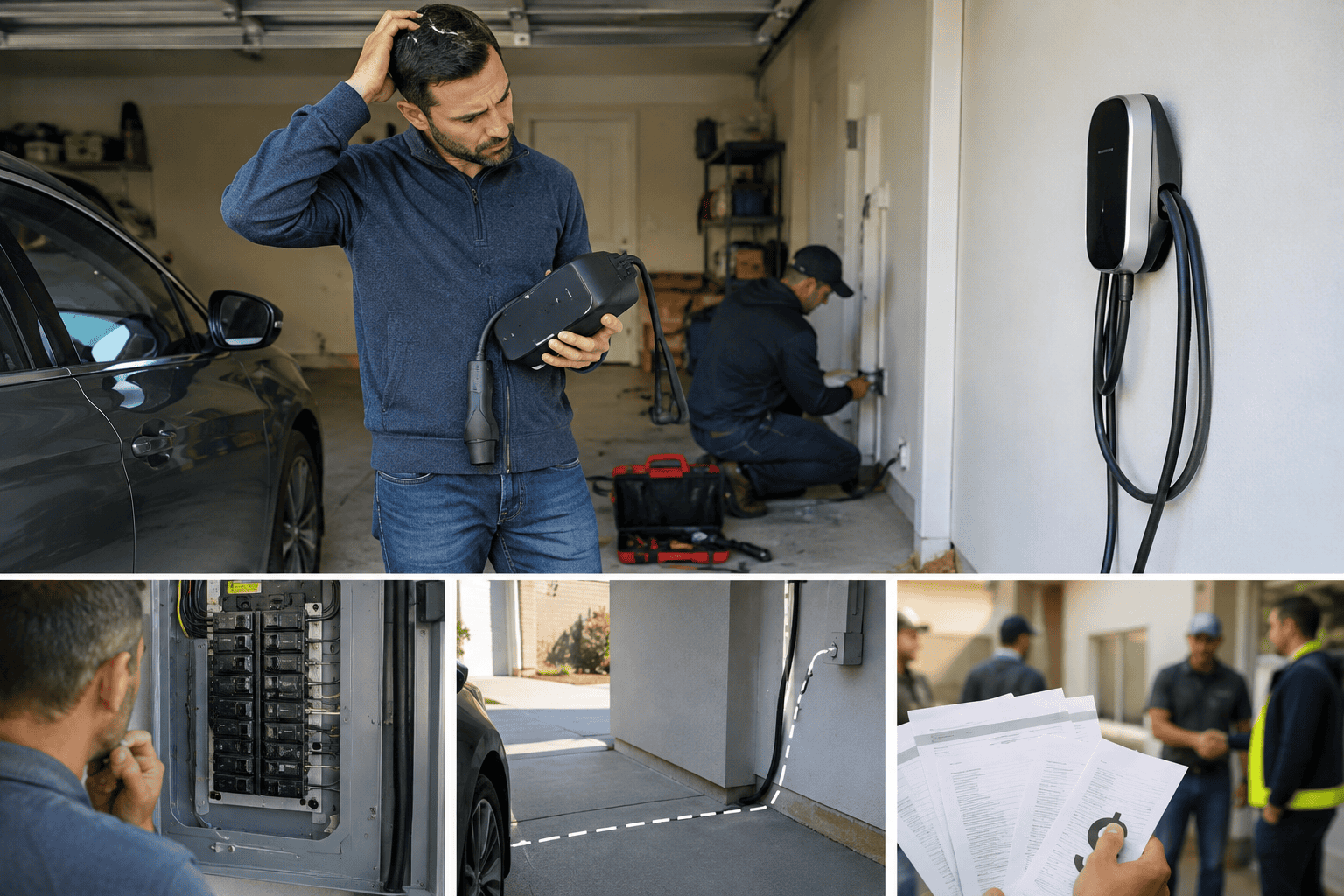
8 Costly EV Charger Installation Mistakes Homeowners Make
Installing an electric vehicle (EV) charger at home can make owning an electric car significantly more convenient. Instead of relying on public charging stations, homeowners can charge overnight, take advantage of suitable electricity tariffs and potentially use surplus solar energy to power their vehicles.
However, EV charger installation involves much more than choosing a charging unit and mounting it on the garage wall.
Your home’s switchboard, electrical capacity, cable routing, charger location and future energy requirements all influence the installation. Overlooking these considerations can lead to unexpected expenses, inadequate charging performance, additional electrical work or safety concerns.
For homeowners across Sydney and the rest of Australia, understanding these common mistakes before purchasing a charger can help make the installation smoother and more cost-effective.
Here are 8 costly EV charger installation mistakes homeowners make.
1. Buying an EV Charger Before Assessing Your Electrical System
One of the most common mistakes is purchasing a charger before checking whether the home’s electrical infrastructure can accommodate it.
A charger might have excellent reviews and impressive charging specifications, but that doesn’t automatically make it suitable for your property.
Older homes, in particular, may have switchboards and electrical supplies designed around much lower electricity demand.
Why Your Switchboard Matters
Modern homes can simultaneously use air conditioning, electric hot water, induction cooking, pool equipment and other energy-intensive appliances. Adding an EV charger introduces another significant electrical load.
Before recommending an installation, an electrician should assess the existing switchboard, electrical supply, circuit protection and expected household demand.
An older switchboard may need attention, but replacement isn’t automatically necessary in every case.
How to Avoid This Mistake
Arrange a professional electrical assessment before buying the charger. This helps establish what your home can support and whether any additional work is required.
Starting with the property rather than the product can prevent unexpected upgrade costs later.
2. Choosing a Charger That Is Too Powerful for Your Needs
It’s tempting to assume that the fastest available home charger is automatically the best investment.
However, charging speed is only one consideration.
A higher-powered charger may require more electrical capacity and additional installation work, yet deliver limited practical benefit if your vehicle spends most nights parked at home.
Match Charging Speed to Your Driving Habits
Think about how far you drive each day, when your vehicle is parked and how much time you have available for charging.
For example, a homeowner who drives relatively short distances and charges overnight may not need the same charging capacity as someone who regularly travels long distances and needs a faster turnaround.
Your vehicle’s own charging capability also matters. A charger cannot force a vehicle to accept power beyond the limits supported by its onboard charging system.
Choose for Practicality, Not Just Maximum Power
Ask your electrician to compare the charging options that suit your vehicle, routine and electrical supply.
A correctly sized charger may provide all the charging performance you need without requiring unnecessary changes to your home’s electrical infrastructure.
3. Underestimating the Cost of Installation
Another expensive mistake is budgeting only for the charger itself.
The installed price can vary considerably between properties because the electrical work required is rarely identical.
A straightforward installation near a suitable switchboard may require relatively little additional work. Another property may need extensive cabling, switchboard improvements or more complicated access arrangements.
What Can Increase Installation Costs?
Potential cost factors include:
- Long cable runs between the switchboard and charger
- Difficult access through walls or ceilings
- Trenching for underground cabling
- Switchboard upgrades
- Additional circuit protection
- Load management equipment
- Changes to electrical supply infrastructure
Not every installation requires these extras, but they should be considered when preparing a realistic budget.
Get a Detailed Quote
Ask for a clear breakdown of the charger, installation labour, electrical materials and any proposed upgrades.
Find out whether the quote includes testing, commissioning and the required compliance documentation.
Comparing quotes on the scope of work, not just the total price, helps you understand what you are actually paying for.
4. Ignoring Cable Routes and Charger Placement
The position of your EV charger affects both installation costs and everyday convenience.
Some homeowners choose a location based purely on appearance before checking whether it is practical for their parking arrangement or electrical layout.
This can lead to awkward cable runs, unnecessary installation work or a charger that becomes frustrating to use.
Think About Your Everyday Routine
Before deciding on a location, consider:
- Where your vehicle is normally parked
- Which side of the vehicle has the charging port
- How the charging cable will reach the vehicle
- Whether the cable could obstruct a walkway
- Protection from accidental vehicle impact
- Exposure to rain and direct sunlight
- Access for maintenance
The charger should be installed where it can be used safely and conveniently.
Plan the Route Before Installation
A professional electrician can assess the most suitable cable route and determine how the charger can be positioned without creating unnecessary installation complexity.
Planning this properly can reduce avoidable labour costs and help produce a cleaner, more practical finished installation.
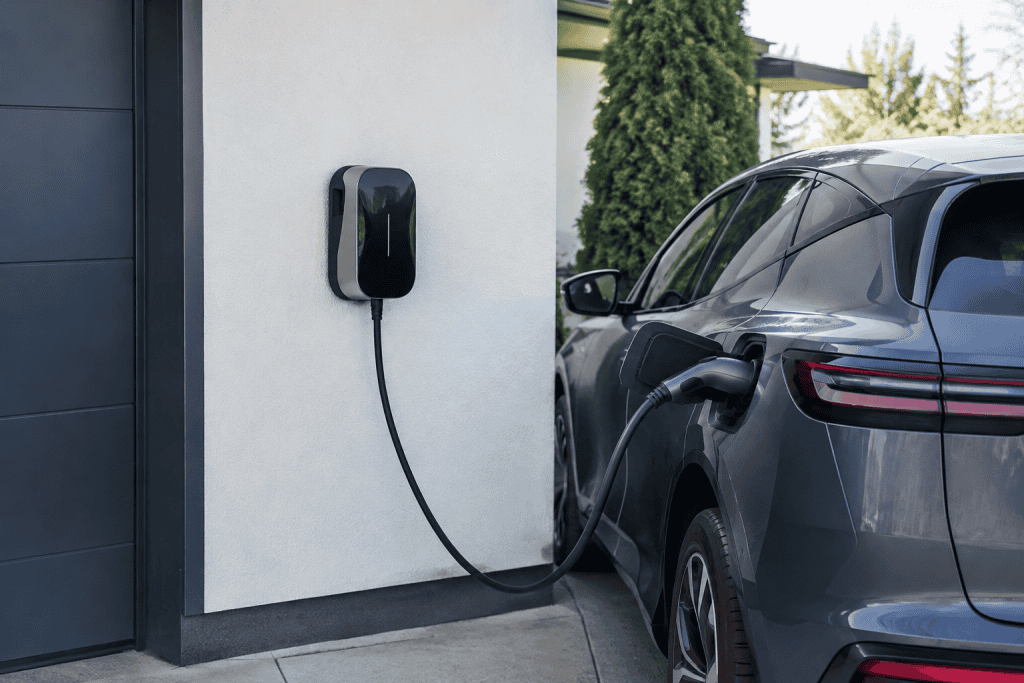
5. Failing to Consider Smart Load Management
An EV charger operates alongside the rest of your home’s electrical equipment.
If charging occurs while several high-demand appliances are running, the combined demand may approach the limits of the property’s available electrical capacity.
This can be particularly relevant for older homes or properties with limited supply capacity.
What Is Load Management?
Depending on the charger and installation, load management technology can adjust charging output in response to the home’s electricity consumption.
For example, when household demand increases, a compatible system may temporarily reduce the power going to the EV. When other demand falls, charging can increase again within the configured limits.
This can help make better use of the available capacity.
However, load management doesn’t eliminate the need for a suitable electrical installation or guarantee that every supply limitation can be overcome.
Consider It Before Upgrading the Supply
Ask your electrician whether dynamic load management could suit your property.
In some situations, it may provide a practical alternative to increasing the electrical supply capacity. In others, an upgrade may still be necessary.
Understanding the options early can help you compare costs and avoid committing to an unsuitable solution.
6. Overlooking Solar Integration and Electricity Tariffs
Installing an EV charger without considering how your household uses electricity can mean missing opportunities to reduce charging costs.
If you already have solar panels, your charging setup may be able to make use of surplus solar generation where compatible equipment and controls are installed.
Likewise, households without solar may benefit from electricity plans that offer cheaper off-peak charging periods.
Make Charging Work With Your Energy Use
Solar generation varies with weather, season and household consumption. Charging during daylight hours may allow you to use surplus solar energy, but the available power won’t necessarily match your vehicle’s charging requirements at every moment.
Smart charging features may help coordinate charging with electricity prices or available solar generation.
The best setup depends on your energy plan, driving routine and existing equipment.
Plan Around Your Actual Costs
Before selecting a charger, review its scheduling features and compatibility with your energy management system.
You don’t necessarily need an expensive smart charger, but understanding your options before installation may prevent you from purchasing equipment that lacks features you later decide are important.
7. Choosing an Installer Based Only on the Cheapest Quote
A low installation quote can be attractive, particularly when you’re already spending money on an electric vehicle.
However, choosing an installer without checking their qualifications, experience and proposed scope of work can create problems later.
Why Professional Installation Matters
Electrical wiring work in NSW must be performed by, or under the supervision of, a licensed electrician. The completed work must also meet applicable requirements, including the provision of a Certificate of Compliance for Electrical Work where required. See the NSW Government’s electrical compliance guidance.
A suitable installation should account for the property’s electrical supply, appropriate circuit protection, cable requirements, environmental conditions and the charger’s installation instructions.
What to Check Before Hiring
Ask whether the installer has experience with home EV chargers and older switchboards.
Confirm that the quoted work covers the necessary installation, testing and documentation. You should also ensure the charging equipment meets applicable Australian requirements, including the relevant Regulatory Compliance Mark requirements.
A lower price isn’t necessarily a problem, but the scope and quality of the work should be clear before proceeding.
8. Forgetting About Future Electrical Upgrades
Your first EV charger may not be the last significant electrical upgrade your home needs.
Over time, you might purchase a second electric vehicle, install battery storage, expand your solar system or add other high-demand equipment.
If the original installation wasn’t planned with those possibilities in mind, future improvements may require additional cabling, switchboard work or changes to the charging arrangement.
Think Beyond Your First EV
You don’t need to install equipment for every possible future scenario immediately.
However, it can be worthwhile to discuss your longer-term plans with your electrician before the initial installation.
For example, they may identify practical opportunities to allow for another charging circuit, consider future cable pathways or incorporate suitable load management.
Avoid Paying for the Same Work Twice
A forward-looking design can help you distinguish between work worth completing now and upgrades that can reasonably wait.
This gives you more control over your budget while reducing the risk of expensive modifications later.
What Should You Check Before Installing an EV Charger?
Before committing to an installation, make sure you understand your property’s electrical capacity, the charger’s requirements, the expected installation costs and any future electrical upgrades you are considering.
Homeowners in apartments or strata properties should also investigate the relevant approval requirements before proceeding. NSW Government guidance explains the considerations involved in making a residential strata building EV-ready.
A little preparation can make the difference between a straightforward installation and an unexpectedly expensive project.
Speak to Spectra Electrical About Home EV Charging
Spectra Electrical can assist homeowners with EV charger installation, electrical assessments, switchboard upgrades and the supporting infrastructure needed for home charging.
If you’re planning to buy your first EV charger, have an older switchboard or want to understand whether your home can accommodate faster charging, getting professional advice before installation can help you avoid unnecessary costs.
From assessing your existing electrical setup to discussing charger placement and future energy requirements, Spectra Electrical can help you plan a practical solution around your property.
Contact Spectra Electrical to discuss your home EV charging requirements and arrange an assessment before purchasing your charger. Getting the electrical planning right from the beginning can help you avoid costly surprises and establish a charging setup that suits your home and driving routine.
Conclusion
Installing an EV charger at home can make electric vehicle ownership more convenient, but rushing the process can lead to unnecessary expenses and disappointing results.
Buying a charger before checking electrical capacity, choosing excessive charging power, overlooking installation complexity, ignoring load management and failing to consider future upgrades can all create problems.
The solution is to plan the installation around the property rather than assuming every home can accommodate the same equipment.
A professional electrical assessment, a clearly defined installation quote and a charger suited to your actual needs can help you avoid costly mistakes and enjoy reliable home EV charging for years to come.
