

8 Wasteful Electrical Habits That Feel Normal but Aren’t
Most households and businesses don’t waste electricity on purpose. In fact, many of the most energy-draining electrical habits feel completely normal because they’ve been part of everyday life for years. The problem? What once seemed harmless now quietly drives up power bills, strains electrical systems, and shortens the lifespan of appliances.
As energy costs continue to rise across Australia and homes become more electrically dependent, recognising these habits is one of the easiest ways to reduce waste without sacrificing comfort. Below are 8 wasteful electrical habits that feel normal but aren’t — but are far more costly than most people realise.
1. Leaving Devices on Standby Power
Leaving appliances “off” but still plugged in is one of the most widespread electrical habits in modern homes. Televisions, sound systems, gaming consoles, computers, and kitchen appliances often draw power even when not in use.
This hidden consumption, often called phantom load, can account for a noticeable percentage of a household’s annual electricity usage. While each device might only draw a small amount, the combined effect across multiple rooms adds up quickly.
Over time, standby power doesn’t just waste electricity — it increases heat within circuits and contributes to unnecessary wear on electrical components.
2. Over-Lighting Spaces That Don’t Need It
Many homes and commercial spaces are far brighter than necessary. Leaving multiple lights on in unused rooms, hallways, or outdoor areas is often done out of habit rather than need.
Excessive lighting increases power consumption and can also shorten the lifespan of fittings, drivers, and globes. In commercial environments, poor lighting design can significantly impact operational costs without delivering any real benefit.
Smarter lighting layouts, zoning, and automation can dramatically reduce wasted energy while still maintaining comfort and visibility.
3. Using Old or Inefficient Appliances Because “They Still Work”
One of the most common justifications for keeping inefficient electrical appliances is that they’re still operational. However, older appliances typically draw far more electricity than modern equivalents — even when performing the same task.
Refrigeration, heating, cooling, and hot water systems are particularly guilty of this. What feels like a money-saving decision often results in higher long-term running costs that quietly exceed the price of an upgrade.
Efficiency standards have improved dramatically in recent years, meaning newer appliances can deliver better performance while using significantly less power.
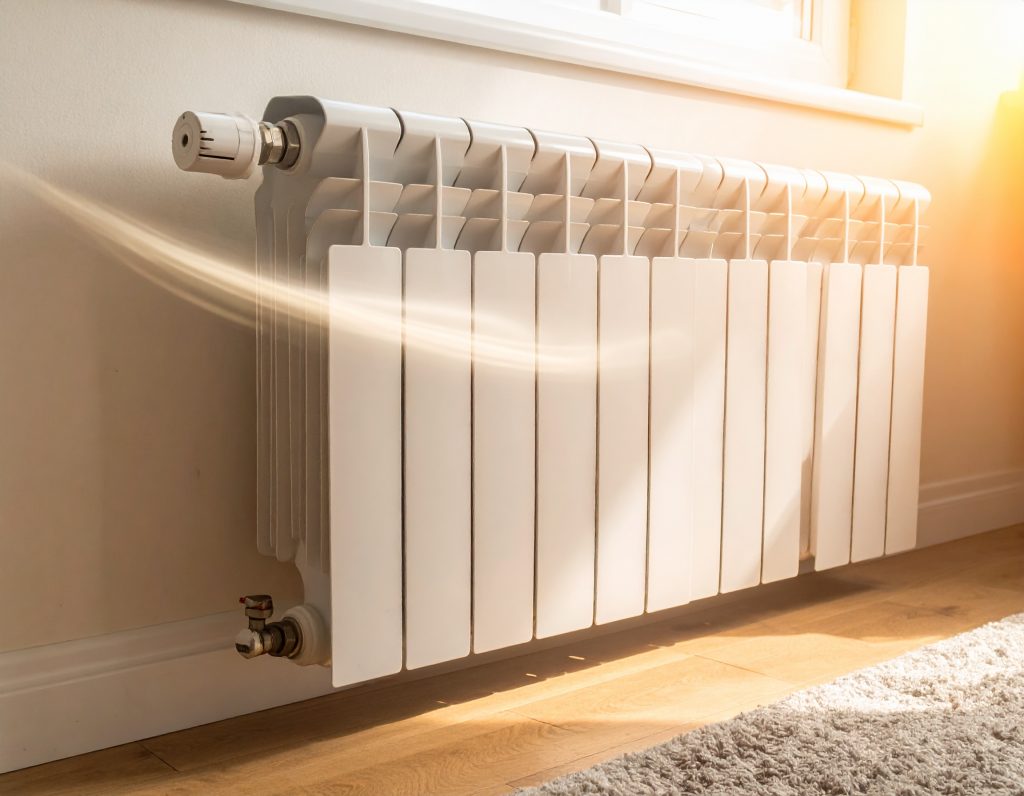
4. Running Heating and Cooling Systems Longer Than Necessary
Heating and cooling systems are essential, but many people rely on them far more than required. Leaving systems running when spaces are unoccupied or set to inefficient temperatures is one of the fastest ways to waste electricity.
Poor insulation, outdated controls, and incorrect thermostat placement often make systems work harder than needed. Over time, this not only increases energy bills but also places extra stress on electrical circuits and equipment.
Optimising how and when climate systems operate can make a noticeable difference without sacrificing comfort.
5. Ignoring Power Quality Issues
Electrical waste isn’t always about how much power is used — sometimes it’s about how efficiently it’s delivered. Voltage fluctuations, overloaded circuits, and outdated switchboards can cause appliances to draw more power than necessary.
Poor power quality can lead to:
- Reduced appliance efficiency
- Increased heat generation
- Premature equipment failure
These issues often go unnoticed until a failure occurs, but they quietly contribute to higher energy usage every day.
6. Charging Devices Longer Than Needed
Leaving phones, laptops, tools, and battery-powered devices plugged in overnight or all day feels harmless, but it contributes to unnecessary power draw and battery degradation.
Once a battery reaches full charge, the charger continues to consume small amounts of electricity. Multiply this across multiple devices, and the waste becomes more significant than most people expect.
This habit also shortens battery lifespan, leading to earlier replacements and additional environmental impact.
7. Using One Circuit for Too Many Power-Hungry Devices
Many homes and workplaces rely on overloaded power points and extension leads without realising the efficiency cost. When too many devices are connected to a single circuit, electrical resistance increases, leading to energy loss in the form of heat.
This not only wastes electricity but also creates safety risks and can trigger nuisance tripping. In commercial settings, poor circuit distribution often leads to inefficiencies that directly impact operating costs.
Proper circuit design ensures electricity flows efficiently and safely throughout a property.
8. Delaying Electrical Maintenance Because “Nothing’s Broken”
One of the most wasteful habits is assuming electrical systems don’t need attention unless something stops working. Loose connections, aging wiring, worn outlets, and outdated protection devices all contribute to inefficiency.
Minor issues slowly increase resistance and heat, forcing systems to draw more power to achieve the same result. Over time, this leads to:
- Higher energy bills
- Reduced system reliability
- Increased fire risk
Preventive electrical maintenance is one of the simplest ways to reduce waste while improving safety and performance.
Why These Habits Persist
The reason these behaviours feel normal is because the impact isn’t immediate. Electrical waste happens quietly — no alarms, no obvious failures, just gradually rising bills and declining system performance.
As homes become smarter and more power-dependent heading into 2026, addressing these habits is no longer optional. Small inefficiencies now have a far greater cumulative effect than they did even a decade ago.
The Smarter Way Forward
Reducing electrical waste doesn’t mean living uncomfortably or constantly switching things off. It’s about:
- Smarter system design
- Efficient appliance choices
- Clean, stable power delivery
- Ongoing electrical maintenance
Modern electrical solutions allow homes and businesses to use less power while getting more performance — when designed and installed correctly.
Final Thoughts
Many wasteful electrical habits feel normal simply because they’re common — not because they’re efficient. Identifying and correcting these behaviours can significantly lower energy costs, improve system reliability, and extend the life of your electrical infrastructure.
At Spectra Electrical, we help Sydney and NSW property owners identify hidden inefficiencies, modernise electrical systems, and create smarter, safer environments built for the future. Whether it’s preventative maintenance, system upgrades, or energy-focused electrical design, the right approach makes all the difference.
Electrical waste isn’t always obvious — but fixing it delivers powerful long-term results.