
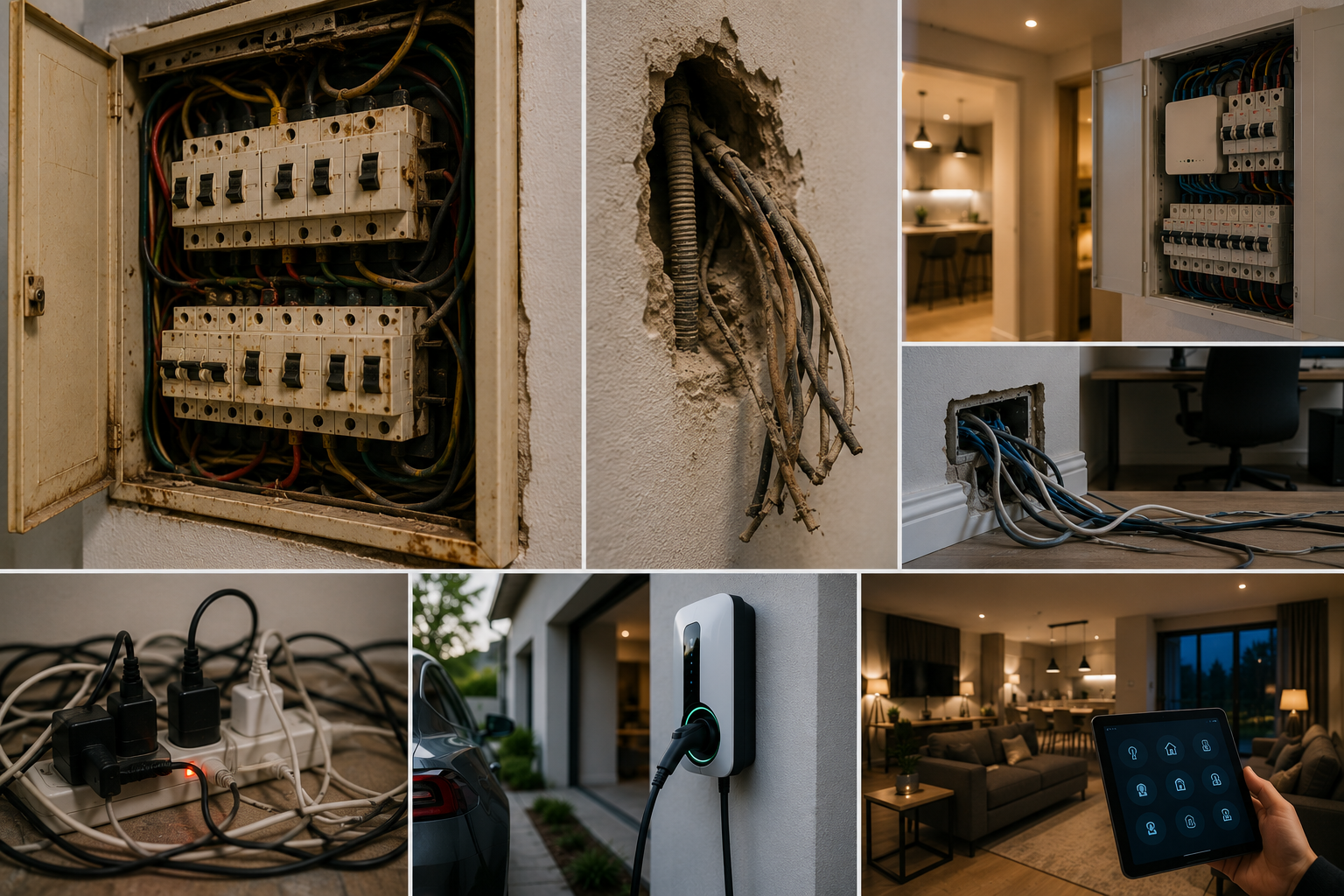
6 Common Electrical Blind Spots That Create Ongoing Problems
Electrical systems are often out of sight and out of mind. As long as the lights turn on, appliances operate normally, and power remains available, many property owners assume everything is functioning as it should. However, some of the most costly electrical issues develop quietly in the background, hidden behind walls, ceilings, switchboards, and equipment.
These overlooked areas, often referred to as electrical blind spots, can gradually impact safety, reliability, energy efficiency, and system performance. Whether you’re a homeowner, business owner, facility manager, or property investor, identifying these blind spots early can help prevent ongoing problems, unexpected repairs, and expensive disruptions.
The challenge is that many electrical issues don’t immediately present obvious warning signs. Instead, they slowly develop over time, causing inefficiencies and increasing the likelihood of larger problems in the future.
Here are 6 common electrical blind spots that create ongoing problems for Australian properties.
1. Ageing Switchboards That Appear to Be Working Fine
Why Switchboards Are Often Overlooked
The switchboard is one of the most important components of any electrical system, yet it is rarely inspected unless a fault occurs.
Many property owners assume that if the power is working normally, the switchboard must be operating correctly. Unfortunately, this isn’t always the case.
The Hidden Risks of Older Switchboards
Older switchboards were designed for a very different era of electrical demand. Many were installed before:
- Smart home technology
- Electric vehicle chargers
- Home offices
- Modern kitchen appliances
- Security systems
- Energy management technologies
As electrical loads increase, ageing switchboards may struggle to keep up.
Long-Term Consequences
Ignoring an outdated switchboard can contribute to:
- Reduced electrical capacity
- Frequent circuit issues
- Reliability problems
- Difficulty accommodating future upgrades
- Increased maintenance requirements
Regular switchboard assessments can help identify limitations before they become major issues.
2. Electrical Systems That Have Never Been Professionally Inspected
The “If It Isn’t Broken, Don’t Fix It” Mindset
One of the biggest electrical blind spots is assuming that a system is healthy simply because no obvious faults have appeared.
Many properties go years, or even decades, without a professional electrical inspection.
Why Hidden Problems Develop
Electrical systems experience natural wear and tear over time. Components can deteriorate gradually due to:
- Age
- Environmental conditions
- Increased usage
- Mechanical stress
- Heat exposure
Without inspections, these issues often remain unnoticed.
The Benefits of Regular Assessments
Routine inspections help identify:
- Deteriorating components
- Loose connections
- Potential safety concerns
- Efficiency issues
- Emerging faults
Early detection often results in simpler and more cost-effective solutions.
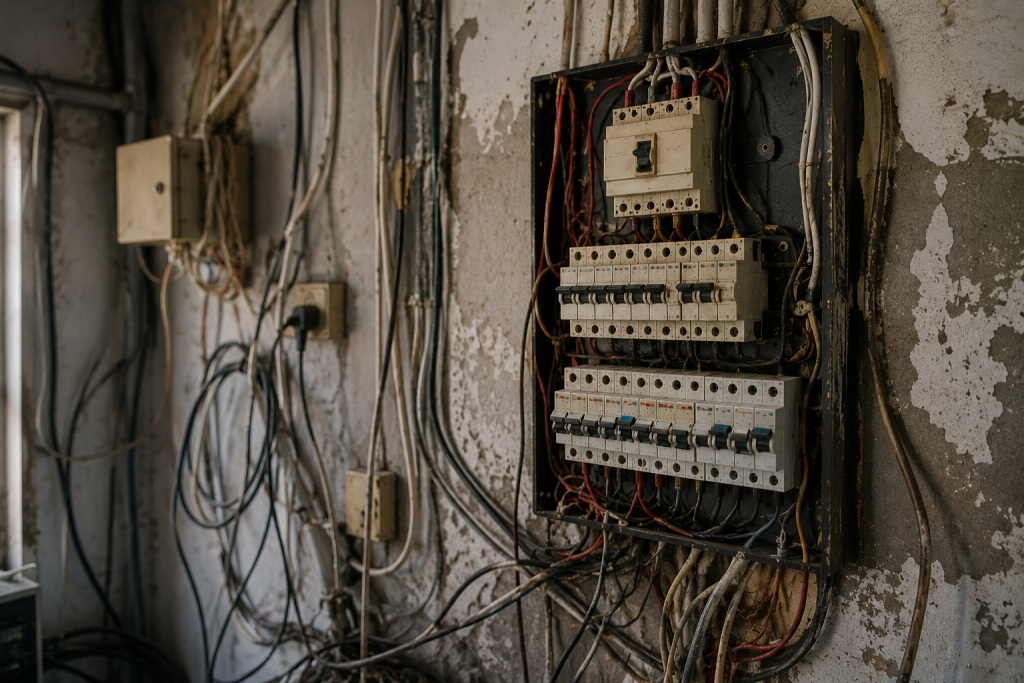
3. Ageing Wiring Hidden Behind Walls
Out of Sight Doesn’t Mean Problem-Free
Most property owners never see the wiring that powers their home or business.
Because wiring is concealed behind walls, ceilings, and floors, it is easy to assume it will continue operating indefinitely.
Why Wiring Ages
Like any infrastructure, electrical wiring has a lifespan.
Over time, wiring may be affected by:
- Heat
- Moisture
- Physical deterioration
- Increased electrical demand
- Previous modifications
Ongoing Problems Ageing Wiring Can Cause
Ageing wiring can contribute to:
- Flickering lights
- Voltage fluctuations
- Reduced reliability
- Energy inefficiencies
- Intermittent faults
Modern electrical demands often place additional pressure on older wiring systems that were not designed to support today’s technologies.
4. Overloaded Circuits That Gradually Increase Electrical Stress
The Problem Often Develops Slowly
As homes and businesses adopt more technology, additional devices are frequently connected to existing circuits without considering overall electrical demand.
What begins as a manageable load can eventually become an overloaded circuit.
Common Contributors
Examples include:
- Home office equipment
- Air conditioning systems
- Entertainment devices
- Kitchen appliances
- Security systems
- EV chargers
Why This Creates Ongoing Problems
Overloaded circuits may contribute to:
- Circuit breaker trips
- Flickering lighting
- Reduced equipment performance
- Increased wear on infrastructure
- Reliability issues
Proper circuit planning helps distribute electrical loads more effectively and reduce unnecessary stress on the system.
5. Lack of Energy Monitoring and Consumption Awareness
Many Property Owners Don’t Know Where Energy Is Going
Electricity bills provide an overview of consumption, but they rarely explain exactly how energy is being used.
Without visibility into consumption patterns, many inefficiencies remain hidden.
The Cost of Not Knowing
Lack of energy awareness can result in:
- Wasted electricity
- Higher operating costs
- Missed efficiency opportunities
- Increased environmental impact
Why Monitoring Matters
Modern energy monitoring systems provide valuable data that can help property owners:
- Track energy usage
- Identify inefficient equipment
- Reduce waste
- Improve sustainability outcomes
Better information often leads to better decision-making.
6. Failing to Plan for Future Electrical Demand
Technology Continues to Evolve
Many electrical systems are designed around current requirements without considering future needs.
However, electrical demand is increasing rapidly.
Today’s properties often incorporate:
- Smart home systems
- EV charging stations
- Security infrastructure
- Renewable energy systems
- Battery storage
- Advanced communications networks
The Risk of Reactive Upgrades
Waiting until new technology is required often results in:
- Higher installation costs
- Additional disruption
- Capacity limitations
- Infrastructure bottlenecks
A Smarter Long-Term Approach
Planning for future growth allows properties to adapt more efficiently as technology evolves.
Future-ready infrastructure often includes:
- Spare circuit capacity
- Modern switchboards
- Additional conduit pathways
- Scalable electrical systems
Proactive planning can significantly reduce future upgrade challenges.
Why These Electrical Blind Spots Matter
Electrical problems rarely appear overnight.
In many cases, the most significant issues develop gradually due to conditions that remain unnoticed for years.
These blind spots often affect:
- Safety
- Energy efficiency
- Reliability
- Equipment lifespan
- Future flexibility
Because the warning signs are often subtle, many property owners don’t recognise the impact until a major issue arises.
Addressing blind spots early helps create a more reliable and efficient electrical system while reducing the likelihood of costly repairs.
Future-Proofing Your Property
Future-proofing is becoming increasingly important as technology continues to reshape the way homes and businesses consume electricity.
Modern properties are expected to support:
- Smart automation
- Electric vehicles
- Advanced security systems
- High-speed communications
- Energy-efficient technologies
- Renewable energy integration
Creating a future-ready electrical system involves more than simply adding new devices. It requires ensuring the underlying infrastructure is capable of supporting those technologies safely and efficiently.
By identifying electrical blind spots and addressing them proactively, property owners can create a stronger foundation for future growth while improving reliability and performance today.
How Spectra Electrical Can Help
At Spectra Electrical, we help homeowners, businesses, strata properties, and facility managers across Sydney identify hidden electrical issues before they develop into costly problems.
With over 20 years of industry experience, our team provides a comprehensive range of services including:
- Electrical inspections and fault finding
- Switchboard upgrades
- Preventative electrical maintenance
- Energy monitoring solutions
- EV charger installations
- Smart home automation
- Data and communications cabling
- Commercial electrical services
- Level 2 electrical services
Our focus is on delivering safe, reliable, and future-ready electrical solutions that help clients maximise the performance and lifespan of their electrical infrastructure.
Final Thoughts
Electrical blind spots can quietly create ongoing problems that affect safety, efficiency, reliability, and long-term operating costs.
Ageing switchboards, hidden wiring issues, overloaded circuits, lack of inspections, poor energy awareness, and inadequate future planning are all examples of issues that often go unnoticed until they become significant challenges.
The good news is that most of these problems can be identified and addressed through proactive maintenance, regular inspections, and strategic electrical upgrades.
By taking a forward-thinking approach, property owners can reduce risk, improve performance, and ensure their electrical systems remain capable of supporting both current needs and future technologies for years to come.