
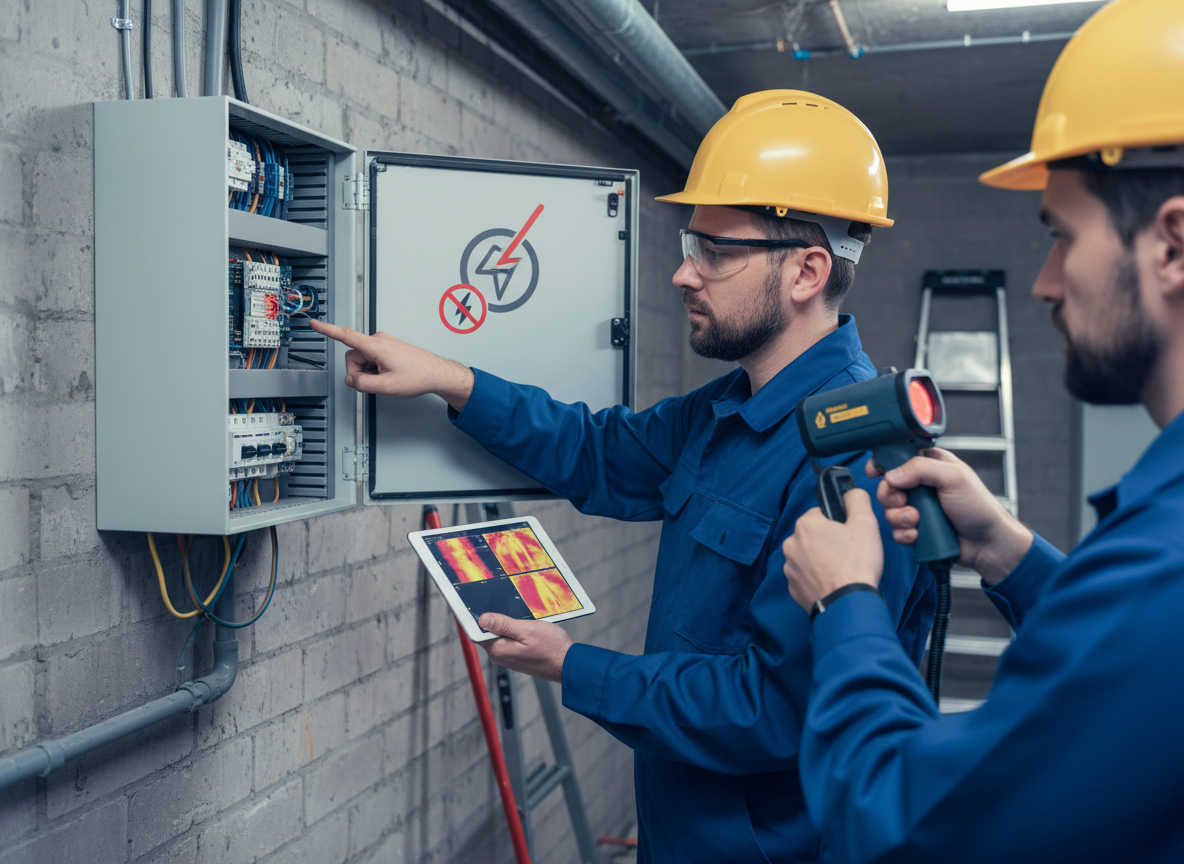
5 Urgent Electrical Checks That Stop Problems Before They Start
Electrical systems are one of the hardest-working parts of any home or commercial property. From powering appliances and lighting to supporting internet connectivity, security systems, air conditioning, and electric vehicle chargers, today’s electrical infrastructure works around the clock to keep our daily lives running smoothly.
Because most electrical components are hidden behind walls, ceilings, or inside switchboards, it’s easy to assume everything is working properly—until a problem suddenly appears. Unfortunately, many electrical faults develop gradually over time. Loose connections, ageing wiring, overloaded circuits, and deteriorating safety devices often show little or no visible warning before leading to expensive repairs, equipment failure, or serious safety hazards.
The good news is that many of these issues can be identified long before they become major problems. By scheduling regular electrical inspections and carrying out preventative maintenance, homeowners, landlords, strata managers, and business owners can improve electrical safety, extend the life of their electrical systems, and avoid unexpected disruptions.
In this guide, we’ll explore 5 urgent electrical checks that stop problems before they start, why they matter, and how proactive maintenance helps protect your property for years to come.
1. Inspect Your Switchboard for Signs of Ageing and Wear
Why Your Switchboard Deserves Attention
Your switchboard is the central hub of your property’s electrical system, distributing electricity safely to every circuit throughout the building. As electrical demand continues to increase with modern appliances and technology, the switchboard plays an even more important role in maintaining safe and reliable power.
Older switchboards may continue operating for years, but that doesn’t necessarily mean they’re equipped to handle today’s electrical loads. Age, wear, and outdated components can reduce performance and increase the likelihood of electrical faults.
Warning Signs to Look For
During a professional inspection, electricians may identify:
- Signs of overheating
- Loose electrical connections
- Corrosion or moisture damage
- Circuit breakers that frequently trip
- Limited capacity for additional circuits
- Ageing protective devices nearing the end of their service life
These issues often remain hidden until the switchboard is opened and inspected.
The Benefits of Early Detection
Identifying switchboard issues before they escalate helps prevent unexpected power outages, improves electrical reliability, and ensures your system is prepared for future upgrades such as EV chargers, solar power, or smart home technology.
2. Check Electrical Wiring for Deterioration or Damage
Hidden Wiring Can Hide Serious Problems
Electrical wiring is designed to last for many years, but like every component in your home, it naturally ages over time. Environmental factors, previous renovations, pests, moisture, and general wear can all affect the condition of your wiring.
Because wiring is concealed inside walls and roof spaces, deterioration often goes unnoticed until faults begin affecting the electrical system.
Common Issues Found During Inspections
Professional electricians regularly identify:
- Damaged cable insulation
- Loose electrical connections
- Heat-related deterioration
- Previous non-compliant alterations
- Wiring that no longer meets modern electrical requirements
Why Wiring Inspections Matter
Replacing damaged or ageing wiring before it fails helps reduce safety risks, improve system reliability, and prevent costly emergency repairs that often require walls or ceilings to be reopened.
3. Test Safety Switches and Protective Devices
Your First Line of Electrical Protection
Safety switches are designed to disconnect power quickly if they detect a fault, helping to reduce the risk of electric shock and minimise electrical hazards.
Like any protective device, safety switches should be tested regularly to ensure they continue operating correctly.
What Professional Testing Includes
Routine inspections may involve checking:
- Safety switch operation
- Circuit breaker performance
- Protective device condition
- Switchboard connections
- Overall circuit integrity
Why Regular Testing Is Important
Faulty or ageing safety devices may not operate when they’re needed most. Routine testing provides confidence that these important protective systems remain ready to respond if an electrical fault occurs.
4. Identify Overloaded Circuits Before They Cause Failures
Modern Homes Demand More Power
Today’s homes use far more electricity than properties built several decades ago. Families now rely on multiple televisions, home office equipment, gaming consoles, air conditioning systems, electric ovens, smart appliances, and increasingly, electric vehicle chargers.
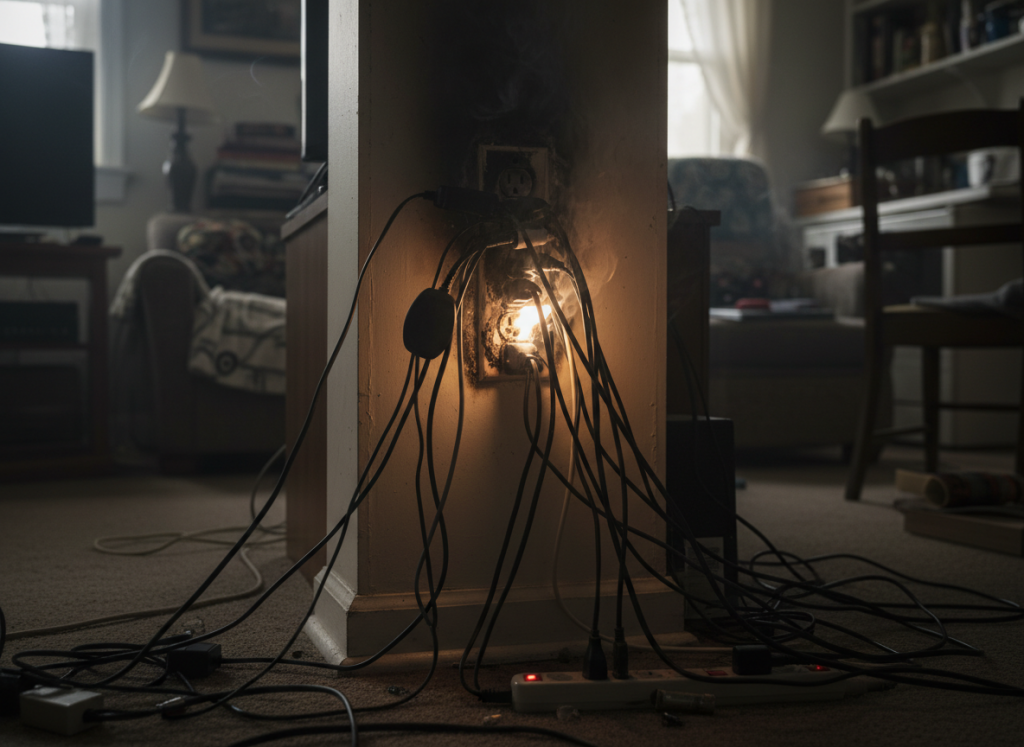
Without appropriate electrical planning, some circuits may become overloaded.
Signs of Overloaded Circuits
Electrical inspections often investigate:
- Frequent circuit breaker trips
- Flickering lights
- Warm power outlets
- Overloaded power boards
- Voltage fluctuations
- Reduced appliance performance
Prevent Problems Before They Develop
Adding dedicated circuits, upgrading switchboards, or redistributing electrical loads can significantly improve safety while reducing unnecessary strain on the system.
5. Conduct Thermal Imaging to Detect Hidden Electrical Faults
Finding Problems You Can’t See
Some electrical faults produce heat long before they become visible or begin affecting performance. Thermal imaging allows electricians to identify abnormal heat patterns without dismantling electrical equipment.
This technology has become one of the most effective tools for preventative electrical maintenance.
What Thermal Imaging Can Detect
Thermal inspections commonly reveal:
- Loose electrical connections
- Overloaded circuits
- Overheating switchboard components
- Faulty circuit breakers
- Uneven electrical loads
- Early signs of equipment deterioration
The Advantages of Thermal Imaging
By identifying hotspots before failures occur, thermal imaging helps property owners plan repairs proactively rather than responding to expensive emergencies after equipment has already failed.
Why Preventative Electrical Checks Save Money
Many people assume electrical maintenance is only necessary after something goes wrong. In reality, preventative inspections are one of the most cost-effective investments you can make.
Routine electrical checks help:
- Reduce emergency repair costs
- Extend the lifespan of electrical equipment
- Improve energy efficiency
- Minimise business interruptions
- Protect valuable appliances
- Improve occupant safety
- Increase electrical reliability
- Preserve long-term property value
Addressing small issues early is almost always less expensive than repairing major electrical failures later.
Building a Safer and More Reliable Electrical System
Preventative maintenance isn’t simply about avoiding problems—it’s about creating an electrical system that performs consistently every day.
Schedule Regular Electrical Inspections
Routine inspections provide a comprehensive understanding of your electrical system’s condition and identify developing issues before they become disruptive.
Upgrade Ageing Infrastructure
Older switchboards, wiring, and protective devices should be assessed regularly to ensure they remain suitable for modern electrical demands.
Plan for Future Technology
If you’re considering installing solar panels, battery storage, electric vehicle chargers, or smart home automation, ensuring your electrical infrastructure is ready beforehand can save considerable time and money.
Work With Licensed Electricians
Professional electricians have the experience, equipment, and knowledge to identify hidden issues that are often impossible to detect during routine visual inspections.
Taking a proactive approach helps create a safer, more reliable, and future-ready electrical system.
How Spectra Electrical Can Help
At Spectra Electrical, we believe the best electrical problems are the ones that never happen. Through proactive inspections, preventative maintenance, and expert electrical advice, we help homeowners, businesses, strata managers, builders, and commercial property owners across Sydney keep their electrical systems operating safely and efficiently.
With more than 20 years of industry experience, our qualified electricians provide tailored solutions that improve reliability, reduce long-term maintenance costs, and support modern electrical requirements.
Our services include:
- Electrical safety inspections
- Preventative electrical maintenance
- Switchboard inspections and upgrades
- Thermal imaging inspections
- Electrical fault finding
- LED lighting upgrades
- Data and communications cabling
- Smart home automation
- EV charger installations
- Surge protection systems
- Commercial electrical services
- Level 2 ASP services
Whether you’re maintaining an existing property, planning a renovation, or preparing your home or business for future technology, Spectra Electrical can help identify hidden issues before they become costly repairs.
Our proactive approach ensures your electrical infrastructure remains safe, compliant, reliable, and ready to support your property’s changing needs.
Final Thoughts
Electrical problems rarely appear without warning. In many cases, they develop gradually through ageing components, overloaded circuits, deteriorating wiring, or hidden faults that go unnoticed for months or even years.
By inspecting switchboards, checking wiring, testing safety devices, identifying overloaded circuits, and using thermal imaging to detect hidden issues, property owners can significantly reduce the risk of unexpected failures while improving safety and reliability.
Preventative electrical maintenance isn’t simply about fixing problems—it’s about preventing them altogether. Investing in regular inspections today helps protect your family, your employees, your tenants, and your property while avoiding expensive repairs in the future.
Partnering with experienced professionals like Spectra Electrical ensures your electrical system receives the expert care it needs to remain safe, efficient, and prepared for the demands of modern living for years to come.