
7 Costly Mistakes That Weaken Fire Safety Compliance
Fire safety compliance is one of the most important responsibilities for building owners, property managers, strata committees and business operators. From emergency lighting and fire detection systems to exit routes and essential safety equipment, every component needs to be appropriately maintained so people can respond safely if a fire occurs.
However, fire safety compliance can become complicated when maintenance is overlooked, records are incomplete or building owners assume that installed equipment will continue working indefinitely.
These mistakes can have serious consequences. Beyond the potential danger to occupants, unresolved fire safety defects can lead to unexpected repair costs, operational disruption and regulatory enforcement.
In New South Wales, fire safety obligations have also become particularly important following the introduction of mandatory routine servicing requirements under AS 1851-2012 from 13 February 2026 for relevant buildings, including apartment buildings and commercial premises. The requirements depend on the building and its applicable fire safety measures. NSW Government fire safety guidance provides further information.
Understanding where compliance problems commonly develop is the first step towards preventing them.
Here are 7 costly mistakes that weaken fire safety compliance and what property owners, facility managers and businesses can do to avoid them.
1. Ignoring Essential Fire Safety Maintenance
One of the most common mistakes is treating fire safety maintenance as something that only needs attention when equipment fails.
Fire detection systems, sprinklers, alarms and other essential fire safety measures require appropriate inspection and maintenance. Without regular attention, components can deteriorate, develop faults or stop operating as intended.
Why Routine Maintenance Matters
A fire safety system may appear perfectly normal from the outside while an internal component is no longer functioning correctly.
For example, a fault may affect part of a detection system, a damaged component may compromise equipment operation, or a maintenance issue may remain unresolved after an inspection.
These problems can go unnoticed when buildings rely entirely on reactive repairs.
How to Avoid This Mistake
Building owners and property managers should establish a maintenance schedule that reflects the building’s Fire Safety Schedule, applicable requirements and the relevant servicing standards.
Under NSW requirements introduced on 13 February 2026, applicable essential fire safety measures must be inspected and tested in accordance with AS 1851-2012 unless a relevant performance solution provides otherwise.
Maintenance should be completed by competent people, and identified defects should be addressed promptly.
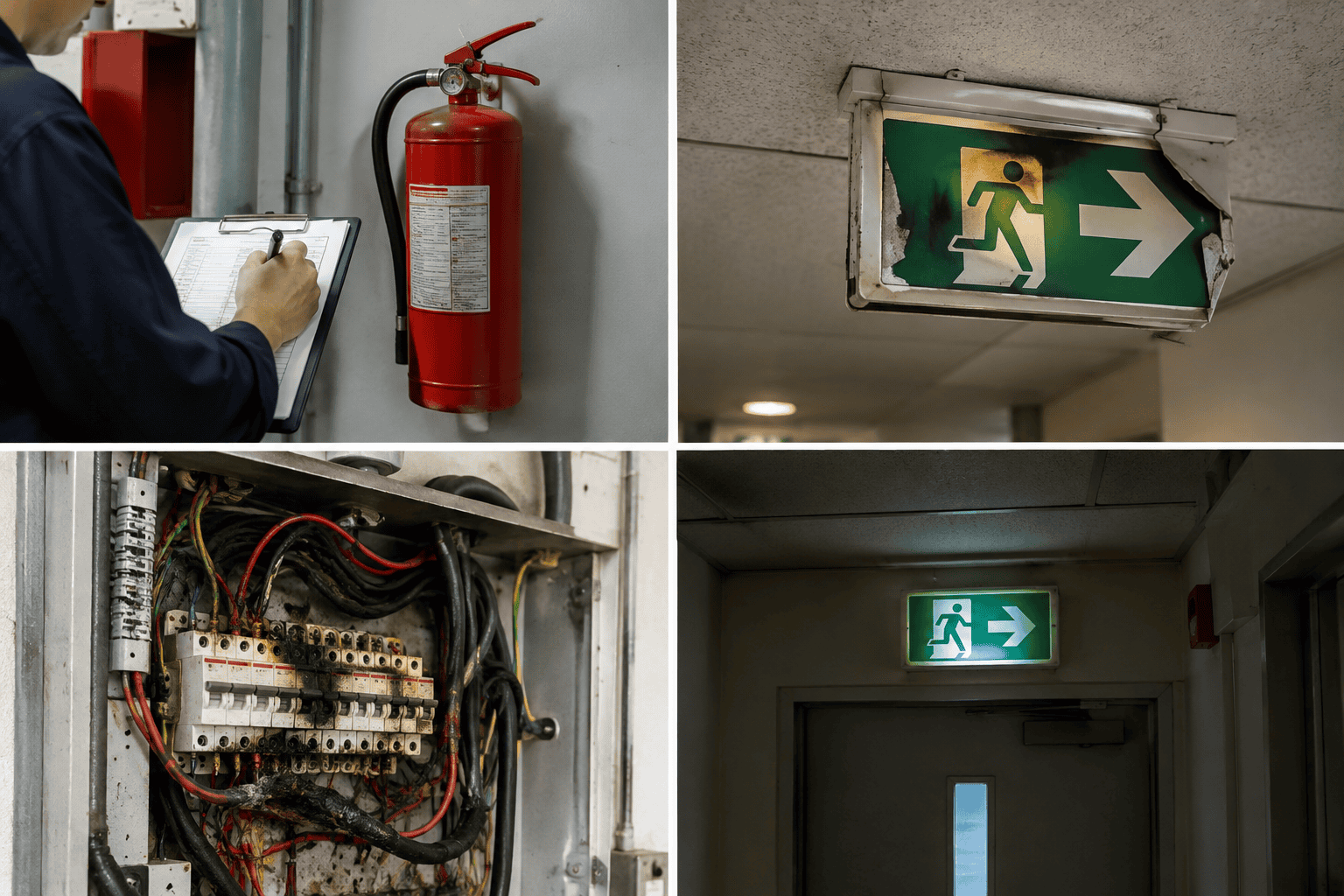
2. Allowing Emergency Lighting and Exit Signs to Deteriorate
Emergency lighting and illuminated exit signs help occupants navigate exit routes when normal lighting fails or an emergency requires evacuation.
If these systems don’t operate correctly, people may struggle to identify exits, recognise obstacles or move through common areas safely.
This is particularly concerning in apartment buildings, offices, shopping centres, warehouses and other properties where occupants may be unfamiliar with the layout.
Common Warning Signs
Problems can include failed emergency light fittings, deteriorating batteries, damaged exit signs, unreliable operation and incomplete testing records.
A light fitting that works during everyday operation may not necessarily provide the required emergency function when normal power is lost.
What Property Managers Should Do
Emergency lighting and exit signs should be maintained according to the requirements applicable to the property.
Importantly, NSW guidance notes that some essential fire safety measures, including emergency exit lighting, are not covered by the AS 1851-2012 servicing requirements in the same way as other measures. The building’s Fire Safety Schedule and applicable original design or performance requirements therefore remain important when determining the correct maintenance approach.
Arranging appropriate inspections and keeping records of identified defects can help prevent small maintenance issues from becoming larger safety concerns.
3. Missing Annual Fire Safety Statements or Incomplete Documentation
Having fire safety equipment installed is only part of maintaining compliance.
For many buildings in NSW, owners must also ensure that the required Annual Fire Safety Statement is completed and submitted.
This statement confirms that the essential fire safety measures listed in the building’s Fire Safety Schedule have been assessed by an appropriately accredited fire safety practitioner and meet the applicable performance requirements.
Why Documentation Is Easy to Overlook
Older buildings may have records scattered across different contractors, building managers and previous owners.
A strata committee might have maintenance invoices but lack a complete set of inspection reports. A facility manager might know that equipment has been serviced but be unable to locate the relevant certification.
These gaps make it harder to demonstrate that required inspections have occurred and defects have been addressed.
How to Improve Record-Keeping
Keep the building’s Fire Safety Schedule, current statements, inspection reports, maintenance records and outstanding defect lists organised in one accessible location.
Assign clear responsibility for monitoring deadlines, coordinating contractors and following up incomplete work.
NSW guidance also requires relevant fire safety documentation to be retained on site and made available for inspection.
Good records make compliance easier to manage and provide a clearer picture of the building’s safety requirements.
4. Making Building Changes Without Reviewing Fire Safety Impacts
Renovations and building upgrades can unintentionally weaken existing fire safety arrangements.
For example, a contractor may install new cabling through a fire-rated wall without restoring the required fire protection. A partition might alter an established evacuation route, or a refurbishment may affect the positioning of fire safety equipment.
These changes can create problems even when the original installation was compliant.
Small Alterations Can Have Larger Consequences
Fire-rated walls, doors and penetrations can form part of a building’s overall fire separation strategy.
If openings are introduced without appropriate protection, smoke and fire may be able to spread through areas that were designed to provide separation.
Similarly, storage, furniture or renovations that obstruct exit paths can interfere with safe evacuation.
Coordinate Contractors Before Work Begins
Before arranging renovations, electrical upgrades or other building modifications, assess whether the proposed work affects existing fire safety measures or approved building arrangements.
Use appropriately qualified contractors and obtain specialist fire safety advice where necessary.
Any affected fire safety systems should be reviewed, and relevant documentation should be updated where required.
Planning these details before work begins is generally easier than correcting problems after the building has been completed.
5. Failing to Fix Defects Identified During Inspections
An inspection is only useful if its findings lead to appropriate action.
A common compliance mistake occurs when a contractor identifies a defect, records it in a report and leaves, but the building owner never arranges the repair.
The problem may then remain unresolved until the next inspection, a complaint or another incident brings it to attention.
Why Unresolved Defects Are Costly
Defects can range from minor maintenance issues to faults that compromise the operation of an important safety measure.
Delays may also increase the final repair cost, particularly when components deteriorate further or access equipment and specialist contractors must be arranged urgently.
For commercial buildings, unresolved defects may create additional disruption if work eventually needs to be completed at short notice.
Introduce a Defect Tracking Process
Every inspection report should be reviewed, with identified defects recorded and assigned to a responsible person.
Depending on the issue, the response may involve immediate action, a planned repair or further technical assessment.
Keep records of completed work and confirm that the reported problem has been properly addressed.
Where a defect affects a required fire safety measure, seek advice from the relevant competent contractor or fire safety practitioner about the appropriate response and any reporting implications.
6. Choosing Contractors Without Checking Their Qualifications
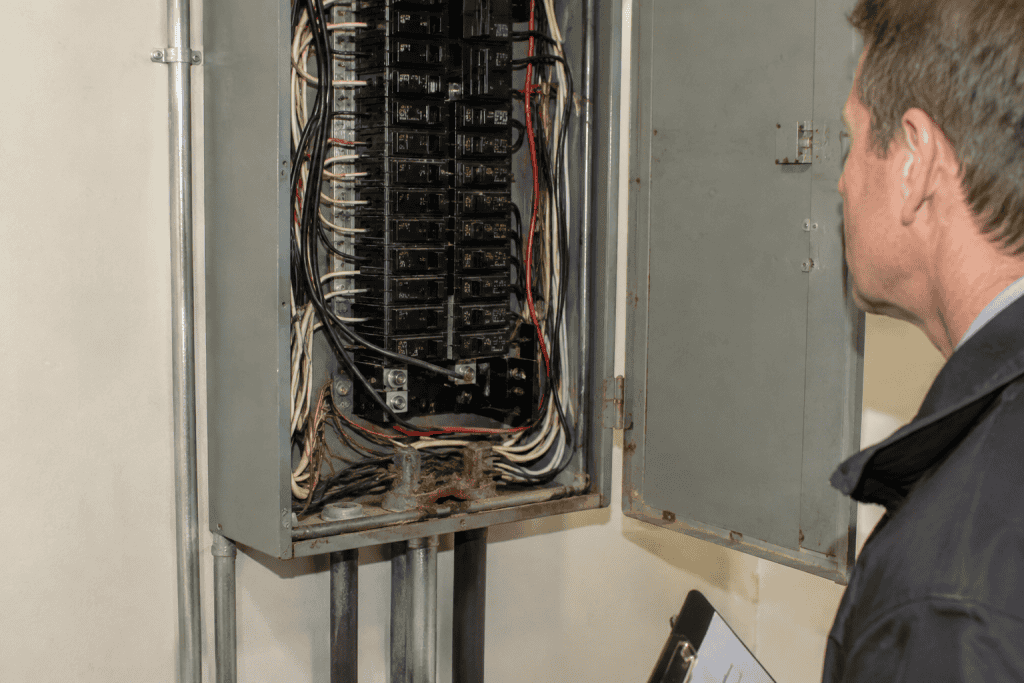
Choosing a contractor based solely on price can create problems when specialised fire safety work is involved.
Different activities require different competencies. Installing equipment, conducting routine servicing, performing electrical work and assessing fire safety measures for a formal statement are not necessarily interchangeable tasks.
Match the Contractor to the Work
For example, an electrical contractor may be suitable for certain electrical installations or repairs, while fire detection, sprinkler systems and other specialist equipment may require a contractor with different competencies.
In NSW, the formal assessment of essential fire safety measures for an Annual Fire Safety Statement must be performed by a practitioner accredited for the relevant function.
Building owners should therefore check that the person undertaking the work has the appropriate licence, registration, qualifications or accreditation for the task involved.
Look Beyond the Initial Quote
When comparing contractors, consider their relevant experience, the scope of work, reporting practices, documentation and ability to address identified defects.
A cheaper quote may not represent better value if important inspection activities are excluded or the work does not meet the property’s requirements.
Choosing the right professional from the beginning can help avoid repeat visits, incomplete work and unnecessary delays.
7. Treating Fire Safety Compliance as a Once-a-Year Task
Another costly mistake is assuming that completing the Annual Fire Safety Statement means the building’s fire safety obligations are finished until the following year.
An annual statement is an important part of compliance, but it does not replace ongoing maintenance.
Fire safety equipment can develop faults between formal assessments, and changes to a building can affect the condition or performance of existing systems.
Why a Continuous Approach Is Better
A building may pass an assessment and subsequently experience equipment failure, physical damage or changes that affect a required safety measure.
If nobody is monitoring maintenance requirements or acting on reported problems, those issues may remain unresolved.
Build Compliance Into Everyday Operations
Owners and facility managers should maintain a clear schedule for applicable servicing, testing, defect follow-up and documentation.
Staff should also understand how to report damaged equipment, obstructed exits and other obvious safety concerns.
For strata buildings, committees and strata managers should clearly establish who coordinates maintenance, monitors deadlines and follows up contractor reports.
Fire safety compliance works best when it is treated as an ongoing responsibility rather than an annual administrative exercise.
How to Strengthen Your Fire Safety Compliance Strategy
Avoiding these mistakes starts with understanding the building’s specific requirements.
The appropriate measures and servicing obligations depend on factors such as the building’s classification, Fire Safety Schedule, applicable standards and any relevant performance solution.
Property owners should work with suitable professionals to establish what applies and how the requirements will be managed.
Start With a Clear Compliance Review
A practical review should consider:
- The current Fire Safety Schedule
- Annual and supplementary fire safety statement obligations
- Inspection and maintenance schedules
- Emergency lighting and exit signage
- Outstanding defects
- Electrical safety concerns
- Contractor qualifications
- Records and certification
- Planned renovations or equipment upgrades
This process helps identify gaps and establish priorities before they become costly problems.
Why Proactive Fire Safety Management Matters
Fire safety compliance is ultimately about protecting people and property.
A well-maintained building gives occupants greater confidence that the systems designed to support detection, evacuation and fire protection are being appropriately managed.
For business owners, proactive maintenance can also reduce the risk of unexpected operational disruption. For strata committees and property managers, it provides a more organised basis for budgeting, contractor coordination and long-term building maintenance.
No maintenance program can remove every possible risk, but a structured approach makes it easier to identify problems and act on them promptly.
Speak to Spectra Electrical About Electrical Safety and Maintenance
Spectra Electrical can assist businesses, strata properties, facility managers and commercial property owners with electrical maintenance, switchboard assessments, lighting upgrades and electrical infrastructure improvements.
If your building has ageing electrical equipment, unreliable emergency lighting or outstanding electrical defects, a professional assessment can help identify issues requiring attention.
Fire safety compliance can involve several specialist disciplines, so electrical work should be coordinated with the appropriately qualified fire safety contractors and practitioners responsible for the building’s other systems.
Contact Spectra Electrical to discuss your building’s electrical maintenance requirements and identify practical improvements that support a safer, more reliable property.
Building a More Reliable Fire Safety Compliance Process
Fire safety compliance can become difficult to manage when maintenance is inconsistent, documentation is scattered and responsibilities are unclear.
The good news is that these problems can often be addressed through better planning, clear accountability and timely action.
By maintaining essential safety equipment, keeping records organised, coordinating building changes, fixing identified defects and engaging suitably qualified professionals, property owners can strengthen their approach to compliance.
Conclusion
Fire safety compliance is not simply about passing an inspection or submitting paperwork. It requires an ongoing commitment to maintaining the equipment, systems and building features that support occupant safety.
From neglected maintenance and deteriorating emergency lighting to missing documentation, poorly coordinated renovations and unresolved defects, these seven mistakes can create avoidable risks and additional costs.
For NSW building owners, understanding the requirements that apply to their property is particularly important as servicing obligations under AS 1851-2012 now apply to relevant essential fire safety measures in eligible buildings.
The most effective approach is to identify compliance gaps early, establish a clear maintenance schedule and ensure that every task is handled by an appropriately qualified professional.
By treating fire safety as an ongoing responsibility rather than a last-minute obligation, building owners can make better maintenance decisions, reduce avoidable disruption and help protect the people who use their properties every day.
