
5 Dangerous Switchboard Habits That Increase Fire Risk
Your switchboard is one of the most important parts of your property’s electrical system. It distributes electricity throughout the building while providing protection against electrical faults, overloads and other potentially dangerous conditions.
Yet because a switchboard is usually tucked away in a garage, utility area, hallway or basement, it can be easy to forget about until something goes wrong.
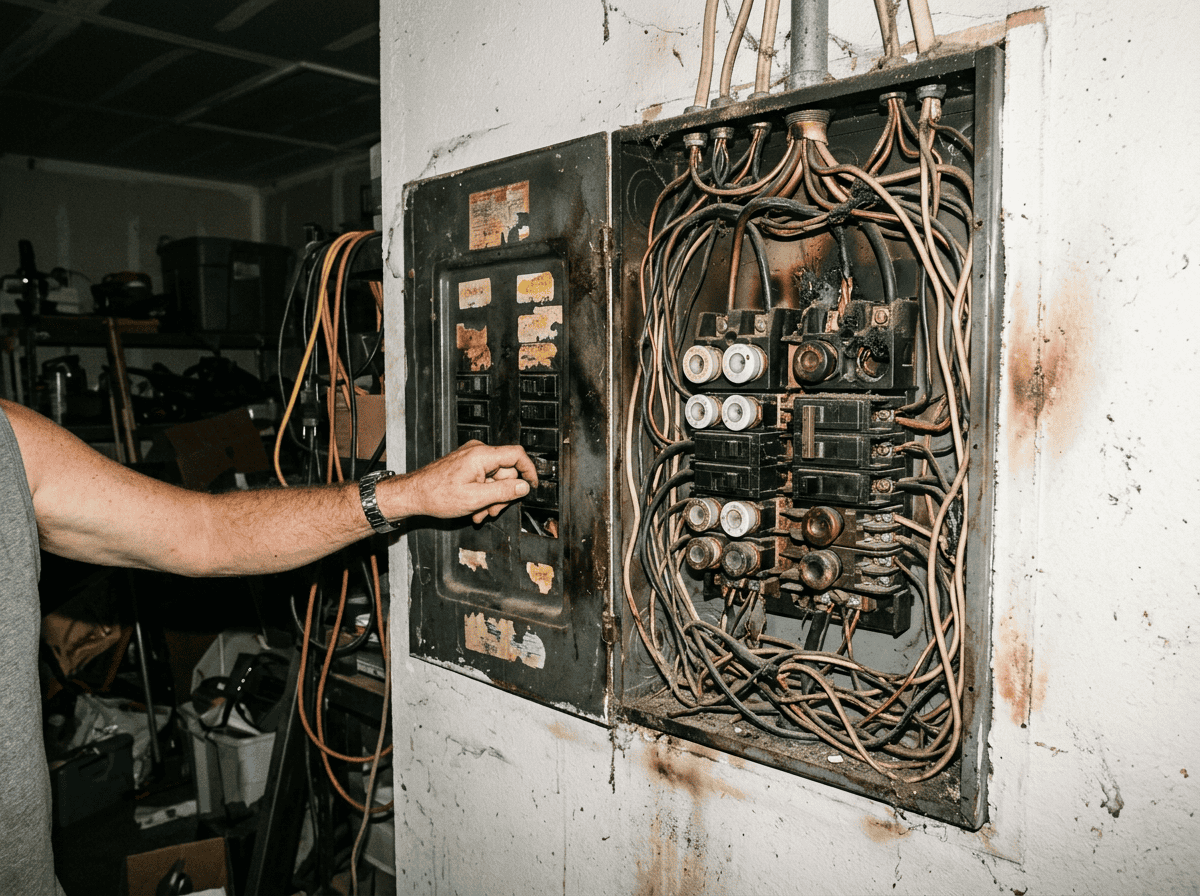
The problem is that seemingly harmless habits around an ageing, overloaded or poorly maintained switchboard can gradually increase electrical risks. Loose connections, overloaded circuits, damaged components and neglected maintenance can all contribute to excessive heat and electrical faults, potentially increasing the risk of an electrical fire.
Modern properties are also placing greater demands on electrical infrastructure. Air conditioning, electric vehicles, solar systems, home offices, induction cooking and other high-powered technologies can significantly increase electricity consumption.
Understanding the warning signs and avoiding dangerous switchboard habits is therefore an important part of electrical safety.
Here are 5 dangerous switchboard habits that increase fire risk, along with practical steps property owners can take to protect their electrical infrastructure.
1. Ignoring an Ageing Switchboard
One of the most common electrical oversights is simply leaving an old switchboard in place because it appears to be working normally.
A switchboard doesn’t necessarily show obvious signs of a problem before an electrical fault develops.
Older switchboards may contain ageing components that no longer provide the same level of protection expected from modern electrical installations.
Older Components Can Present Risks
Some older Australian properties still have switchboards containing outdated ceramic fuses or other older forms of circuit protection.
While the age of a switchboard doesn’t automatically mean it is unsafe, ageing electrical infrastructure should be assessed by a qualified electrician to determine whether it remains appropriate for the property’s current requirements.
The electrical demands placed on a modern home can be dramatically different from when the property was originally built.
A house that once powered a few lights, appliances and a television may now have:
- Multiple air conditioners
- Large kitchen appliances
- Home office equipment
- Pool pumps
- Electric hot water systems
- Solar panels
- Battery storage
- EV chargers
- Smart home technology
Don’t Wait for a Failure
A switchboard shouldn’t only be inspected after something stops working.
If your property has an older switchboard, particularly if it has never been upgraded, arranging an electrical assessment can help determine whether the existing infrastructure remains suitable.
An electrician can assess the condition of the equipment, circuit protection and overall electrical installation and recommend upgrades where appropriate.
2. Overloading Circuits Without Realising It
Modern households rely on an increasing number of electrical appliances and devices.
While an individual appliance might operate normally, the combined demand of multiple devices on a circuit can create excessive electrical load.
What Causes Electrical Overloading?
Circuit overloading can occur when electrical equipment connected to a circuit draws more current than the circuit and associated infrastructure are designed to handle.
This can be particularly relevant in areas such as kitchens, garages, workshops and home offices.
High-demand equipment might include:
- Portable heaters
- Air conditioners
- Power tools
- Ovens
- Microwaves
- Tumble dryers
- EV chargers
- Pool equipment
A circuit breaker or fuse is designed to provide protection when a circuit experiences excessive current. However, repeatedly placing high demands on electrical circuits shouldn’t simply be treated as normal operation.
Don’t Keep Resetting a Tripping Breaker
One warning sign that shouldn’t be ignored is a circuit breaker that repeatedly trips.
Resetting it every time it trips without finding out why can be dangerous.
A recurring trip may indicate an overloaded circuit, faulty appliance, wiring issue or another electrical problem that requires investigation.
Instead of repeatedly resetting the breaker, switch off or disconnect the relevant equipment where safe to do so and have the issue investigated by a qualified electrician.
3. Treating the Switchboard as “Out of Sight, Out of Mind”
Because switchboards are usually tucked away, many homeowners rarely look at them.
That can make it easy to miss signs that something isn’t right.
A switchboard should not be considered a piece of equipment that can simply be forgotten about once it has been installed.
Watch for Warning Signs
Property owners should be alert to signs such as:
- Burning smells
- Discolouration
- Scorch marks
- Unusual buzzing or crackling
- Excessive heat
- Repeated circuit trips
- Flickering lights
- Damaged covers or components
These signs should not be ignored.
An unusual smell or visible scorching around electrical equipment can indicate overheating or an electrical fault.
Don’t Open the Switchboard Yourself
Even if you notice something unusual, homeowners should not attempt to remove switchboard covers or investigate internal components themselves.
Electrical switchboards contain live electrical equipment, and contact with energised components can result in severe injury or death.
If something appears unusual, leave the equipment alone and arrange for a licensed electrician to investigate.
4. Delaying Preventative Electrical Maintenance
Another dangerous habit is assuming that electrical infrastructure doesn’t require maintenance until it fails.
Electrical equipment can deteriorate gradually, and some problems aren’t immediately visible.
Preventative electrical maintenance provides an opportunity to identify potential issues before they become major failures.
What Can Preventative Maintenance Involve?
Depending on the property and electrical installation, an electrician may inspect areas such as:
- Switchboards
- Circuit protection
- Electrical connections
- Distribution boards
- Cabling
- Electrical equipment
- Common-area infrastructure
Testing and inspection can help identify problems that might otherwise remain unnoticed.
Thermal Imaging Can Identify Heat Patterns
Thermal imaging is another useful tool that can form part of an electrical maintenance strategy.
A thermal imaging camera can identify temperature differences and unusual heat patterns across electrical equipment.
An area showing an abnormal temperature doesn’t automatically mean there is a dangerous fault, but it can provide an indication that further investigation may be required.
Thermal imaging can be particularly useful for larger electrical installations, commercial properties, industrial facilities and other environments where identifying developing electrical issues early can be valuable.
Maintenance Is About Prevention
The purpose of preventative electrical maintenance isn’t to guarantee that faults will never occur.
Instead, it is about identifying potential issues, maintaining equipment and reducing the likelihood of avoidable electrical failures.
5. Adding New Technology Without Assessing Existing Infrastructure
Technology is changing the electrical requirements of modern properties.
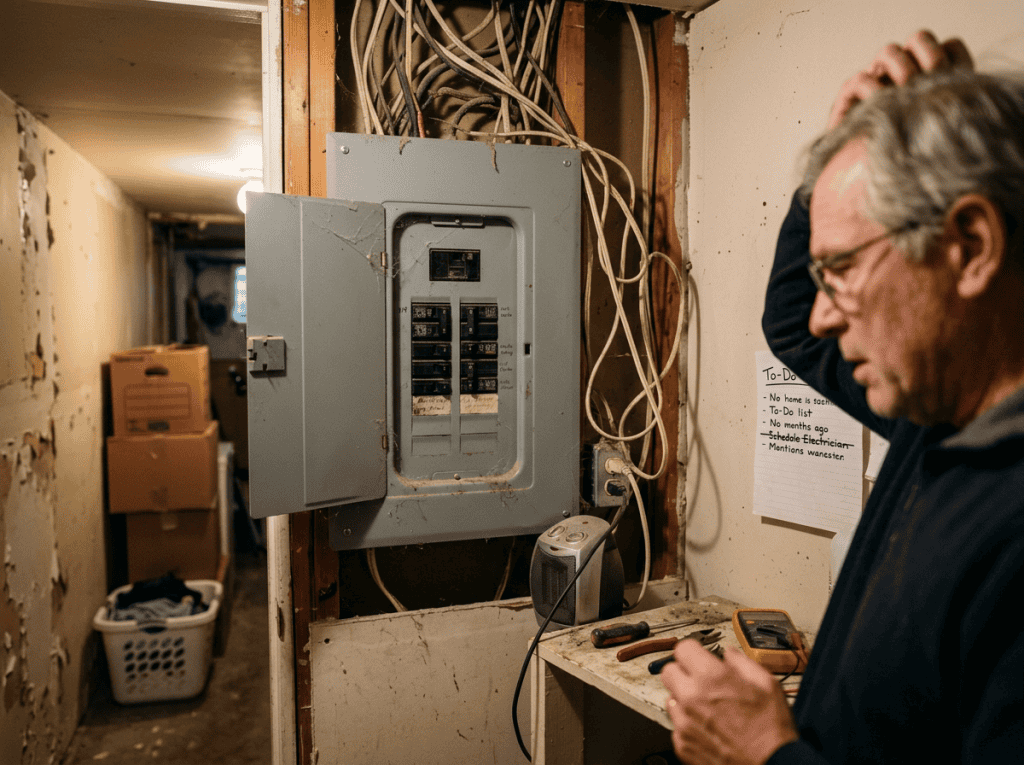
Installing an EV charger, solar system, battery storage, air conditioning system or other high-demand equipment can significantly change the electrical load of a property.
One dangerous habit is assuming the existing switchboard and electrical infrastructure can automatically accommodate every new addition.
Modern Technology Requires Modern Planning
Before installing major electrical equipment, the property’s existing infrastructure should be assessed.
Consider a homeowner installing an electric vehicle charger.
The charger itself may be perfectly suitable, but the electrician still needs to consider the property’s electrical capacity, switchboard configuration, circuit protection and other relevant requirements.
The same principle applies to other significant electrical upgrades.
Think About the Whole Electrical System
Instead of asking, “Can I install this appliance?”, it can be more useful to ask:
“Can my property’s electrical infrastructure safely support this additional demand?”
That question encourages a more comprehensive approach.
An electrical assessment can help determine whether upgrades are required before new equipment is installed.
Why Switchboard Maintenance Matters
A switchboard provides a central point for distributing and protecting electrical circuits throughout a property.
If its components are damaged, outdated, overloaded or poorly maintained, the consequences can extend beyond a single failed appliance.
Potential warning signs should always be taken seriously.
A professional electrical inspection can provide property owners with a clearer understanding of the condition of their switchboard and whether upgrades or repairs may be appropriate.
For commercial and strata properties, regular electrical maintenance can be particularly important because electrical infrastructure may support numerous occupants, common areas and critical equipment.
How to Reduce Switchboard Fire Risks
Property owners can take several practical steps to improve electrical safety.
Arrange Regular Electrical Inspections
Don’t wait until a major fault occurs before having ageing electrical infrastructure assessed.
Investigate Repeated Circuit Trips
A circuit breaker that repeatedly trips shouldn’t simply be reset indefinitely.
Upgrade Outdated Infrastructure
If an electrician identifies ageing or inadequate components, discuss whether an upgrade is appropriate.
Avoid DIY Electrical Work
Electrical work should be carried out by appropriately licensed professionals.
Monitor Electrical Demand
Consider how new appliances and technologies will affect your property’s existing electrical infrastructure.
Keep the Switchboard Accessible
Don’t block access to the switchboard with stored items, furniture or other obstructions.
Pay Attention to Warning Signs
Burning smells, buzzing, scorching, heat or unusual electrical behaviour should be investigated promptly.
Switchboard Upgrades Can Support Modern Electrical Demand
A switchboard upgrade isn’t simply about replacing an old box on the wall.
Depending on the property, an upgrade may provide an opportunity to modernise circuit protection and improve the electrical system’s ability to support contemporary electrical requirements.
This can be particularly relevant for properties adding:
- EV charging
- Solar power
- Battery storage
- Air conditioning
- Additional appliances
- Home offices
- High-powered equipment
The appropriate solution depends on the property’s existing electrical installation and future requirements.
A qualified electrician can assess the system and recommend suitable options.
How Spectra Electrical Can Help
At Spectra Electrical, we understand how important reliable and properly maintained electrical infrastructure is for homes, businesses, strata properties and other buildings across Sydney.
With more than 20 years of experience, our team provides a range of electrical services designed to help property owners maintain safe, reliable and future-ready electrical systems.
Our services include:
- Switchboard upgrades
- Electrical inspections
- Preventative electrical maintenance
- Thermal imaging
- Fault finding
- Circuit upgrades
- Surge protection
- EV charger installations
- Commercial electrical services
- Strata electrical services
- Level 2 electrical services
If you’re concerned about an ageing switchboard, repeatedly tripping circuits or the ability of your existing electrical infrastructure to support new technology, Spectra Electrical can assess the situation and help identify an appropriate solution.
Taking action before a serious electrical failure occurs can be far more practical than dealing with the consequences of a preventable problem.
Final Thoughts
Your switchboard is one of the most important safety components in your property’s electrical system, but it is also one of the easiest to overlook.
Ignoring an ageing switchboard, overloading circuits, overlooking warning signs, delaying preventative maintenance and adding major electrical equipment without assessing existing infrastructure can all create unnecessary electrical risks.
The solution isn’t to panic every time a circuit breaker trips or assume that every old switchboard needs immediate replacement.
Instead, property owners should take a proactive approach to electrical safety.
Regular inspections, professional maintenance, appropriate circuit protection and timely upgrades can help ensure your electrical infrastructure remains suitable for the demands placed upon it.
Most importantly, electrical warning signs should never be ignored. Burning smells, unusual noises, scorching, overheating and repeated circuit trips are reasons to have the system professionally investigated rather than simply working around the problem.
As homes and businesses continue adding EV chargers, solar systems, batteries, air conditioning and other high-powered technology, the importance of reliable electrical infrastructure will only increase.
For property owners across Sydney, Spectra Electrical can provide professional switchboard upgrades, preventative electrical maintenance, thermal imaging and a wide range of electrical services to help keep your electrical system reliable, compliant and ready for the future.