
6 Dangerous Electrical Habits That Increase Fire Risk at Home
Electrical systems make modern homes more convenient, comfortable and connected, but they can also create serious fire risks when equipment is overloaded, damaged or used incorrectly.
Many electrical fires don’t begin with a dramatic failure. They can develop gradually from everyday habits that seem harmless, such as overloading power boards, ignoring a tripping circuit breaker or continuing to use damaged electrical equipment.
The good news is that many of these risks are preventable.
Understanding the most common electrical habits that increase fire risk at home can help homeowners recognise warning signs and make safer decisions. Regular electrical maintenance and professional inspections can also identify problems before they become major hazards.
Here are 6 dangerous electrical habits that increase fire risk at home.
1. Overloading Power Boards and Extension Leads
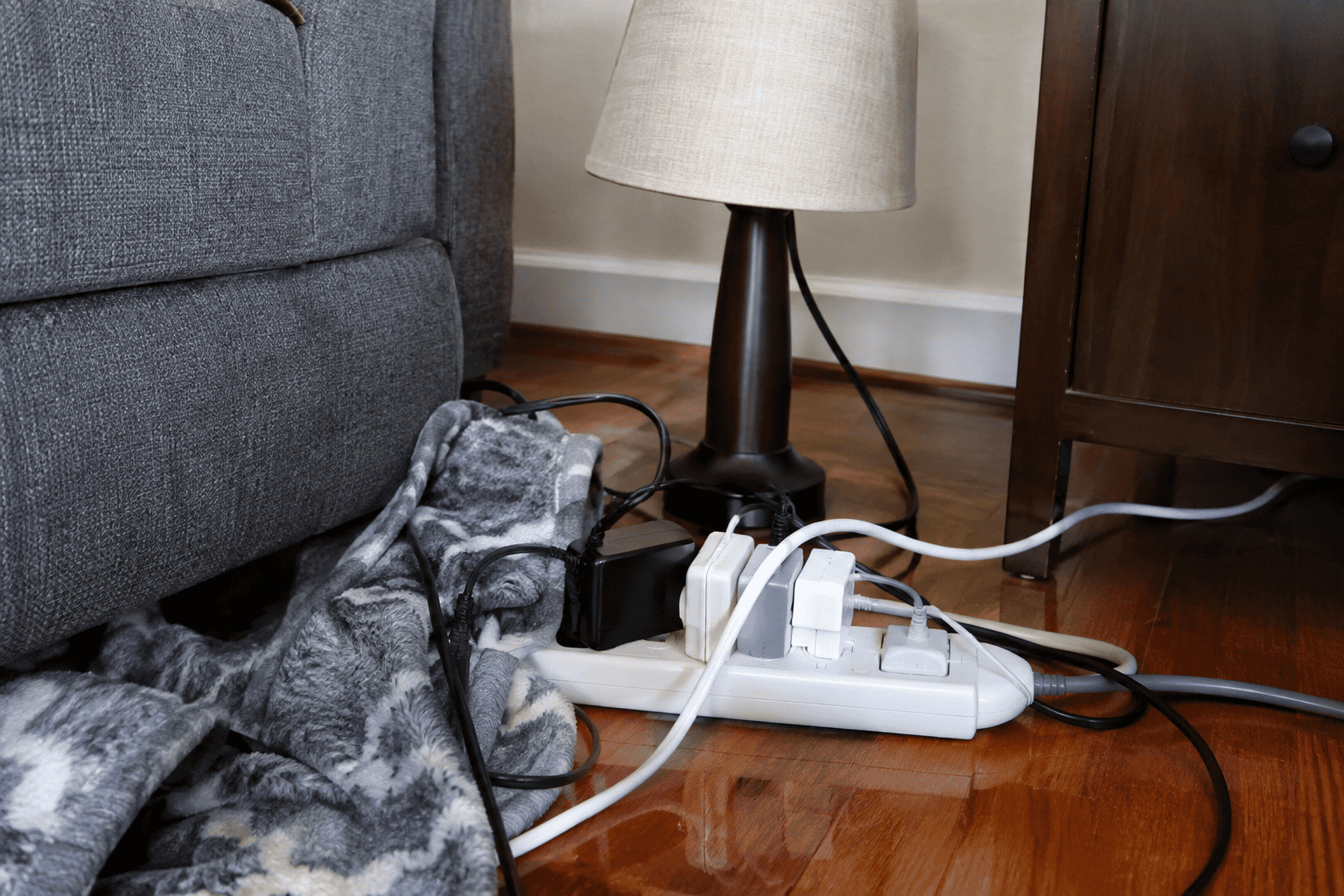
One of the most common electrical mistakes in modern homes is connecting too many devices to a single power board.
Power boards are convenient, particularly around televisions, computers, home offices and entertainment areas. However, they aren’t designed to provide unlimited electrical capacity.
Connecting several high-powered appliances to the same power board or extension lead can create excessive electrical demand.
Why Overloading Is a Problem
High-demand appliances can include:
- Portable heaters
- Air conditioners
- Microwaves
- Kettles
- Toasters
- Washing machines
- Tumble dryers
- Refrigerators
The problem becomes even greater when multiple high-powered devices are operated through the same connection.
Excessive electrical load can cause components, plugs and connections to heat up. Damaged or poor-quality equipment can increase the risk further.
Power boards should also never be treated as a permanent substitute for having appropriate fixed power outlets installed.
A Safer Approach
If you regularly need multiple power boards or extension leads because an area of your home doesn’t have enough outlets, speak with a licensed electrician about installing additional power points.
This can provide a more practical long-term solution and reduce unnecessary reliance on temporary connections.
2. Ignoring Circuit Breakers That Keep Tripping
A circuit breaker that trips is providing an important warning.
It may operate because a circuit is overloaded, an appliance has developed a fault or another electrical issue needs investigation.
One dangerous habit is repeatedly resetting the breaker without finding out why it is tripping.
Don’t Treat a Trip as an Inconvenience
It can be tempting to switch the breaker back on so everything starts working again.
However, if the same circuit continues to trip, something needs to be investigated.
Repeatedly resetting the breaker may allow the underlying issue to remain unresolved.
Warning signs include:
- The same breaker tripping frequently
- Power being lost whenever a particular appliance is used
- Lights or outlets behaving unusually
- A circuit tripping under normal household use
- A safety switch repeatedly operating
What Should You Do?
Stop repeatedly resetting the device and arrange an assessment by a licensed electrician.
The cause could be relatively straightforward, but it could also involve damaged wiring, a faulty appliance or another electrical problem requiring attention.
Identifying the cause is far safer than simply restoring the power and hoping it doesn’t happen again.
3. Continuing to Use Damaged Electrical Equipment
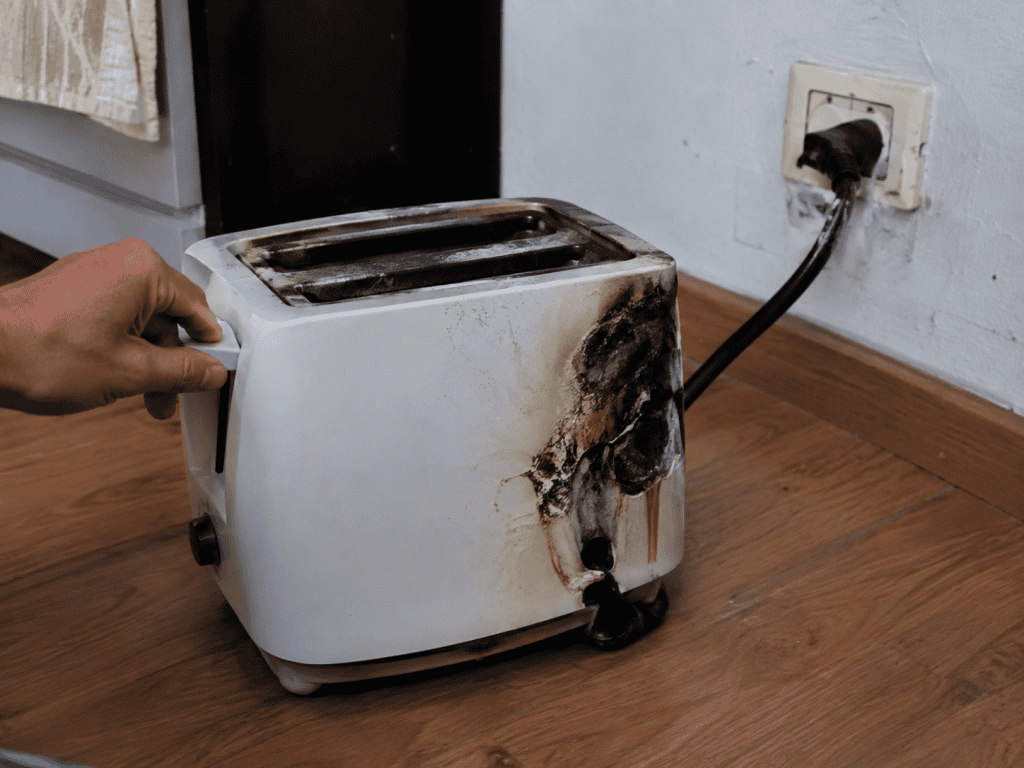
Many homeowners notice damaged cords, cracked power points or loose plugs and continue using them because the equipment appears to work.
That can be a serious mistake.
Electrical equipment can remain functional even when it is no longer safe to use.
Common Warning Signs
Pay attention to:
- Frayed power cords
- Exposed wires
- Cracked plugs
- Loose power points
- Burn marks
- Discolouration
- Melted plastic
- Sparks
- Unusual smells
- Excessive heat
A damaged cable can expose internal conductors or create conditions where heat builds up during operation.
Likewise, a damaged power point or plug can indicate a problem that requires professional attention.
Don’t Repair Electrical Cords Yourself
Electrical repairs shouldn’t be improvised with tape, makeshift connections or other temporary fixes.
If an appliance or electrical accessory is damaged, stop using it and have it assessed or replaced as appropriate.
A small replacement cost is far preferable to continuing to use equipment that could create a serious electrical hazard.
4. Using Appliances With Poor Ventilation
Electrical appliances produce heat during normal operation.
Most are designed with ventilation systems or clearances that allow that heat to dissipate safely.
Blocking those ventilation areas can cause the appliance to become hotter than intended.
Where This Commonly Happens
It can occur when:
- Appliances are pushed tightly against walls
- Power supplies are buried under furniture
- Computers are placed in enclosed spaces
- Clothes dryers are surrounded by stored items
- Refrigerators have inadequate airflow
- Chargers are covered by bedding or soft furnishings
The risk becomes greater when an appliance is already damaged, overloaded or operating for long periods.
Keep Heat-Producing Equipment Clear
Follow the manufacturer’s installation and ventilation requirements.
Don’t cover chargers, power supplies or appliances with clothing, blankets or other materials.
Keep vents clear and avoid placing electrical equipment where heat cannot escape properly.
This is particularly important for equipment that operates continuously or for extended periods.
5. Ignoring Warning Signs From Your Switchboard
The switchboard is at the centre of your home’s electrical system, yet it is often completely overlooked until something goes wrong.
An ageing or damaged switchboard can create electrical risks, particularly if the property’s electrical demand has increased significantly over time.
Warning Signs Worth Investigating
Homeowners should pay attention to signs such as:
- Burning smells near the switchboard
- Buzzing or crackling noises
- Discolouration
- Melted or damaged components
- Repeatedly tripping breakers
- Old ceramic fuses
- Visible deterioration
- Unexplained power problems
These signs don’t necessarily tell you exactly what is wrong, but they indicate that the electrical system may need professional assessment.
Don’t Open the Switchboard Yourself
Switchboards contain electrical components that can remain energised even when individual circuits have been switched off.
Never attempt to remove covers, tighten connections or carry out internal repairs yourself.
If the switchboard is showing signs of damage, have it assessed by a licensed electrician.
An inspection can determine whether maintenance, repairs or an upgrade is appropriate.
6. Treating DIY Electrical Work as a Quick Fix
One of the most dangerous electrical habits is attempting to carry out electrical installation or repair work without the appropriate qualifications.
It can be tempting to search online for a quick solution to a power point, switch, light fitting or wiring problem.
However, electrical work involves risks that aren’t always visible.
Why DIY Electrical Repairs Are Dangerous
Incorrect electrical work can result in:
- Electric shock
- Short circuits
- Damaged equipment
- Overheating
- Electrical fires
- Serious injury
There can also be issues with compliance, insurance and the future safety of the electrical installation.
Even when a DIY alteration appears to work, that doesn’t mean it has been installed correctly.
Leave Electrical Work to a Licensed Professional
If an electrical installation needs to be altered, repaired or upgraded, use a suitably licensed electrician.
A professional can assess the existing installation, identify the cause of the problem and complete the work appropriately.
Saving money on a quick DIY repair isn’t worth creating a much larger safety problem.
Other Electrical Fire Warning Signs You Shouldn’t Ignore
While the six habits above are common, homeowners should also pay attention to unusual behaviour from electrical equipment around the property.
Warning signs can include:
Burning Smells
A persistent burning or melting smell near a power point, appliance or switchboard deserves immediate attention.
Hot Power Points or Plugs
Electrical connections shouldn’t become unusually hot during normal operation.
Flickering Lights
Recurring flickering may indicate an electrical issue that needs investigation.
Buzzing or Crackling
Unusual sounds coming from switches, outlets or electrical equipment should not be ignored.
Unexpected Power Problems
Frequent interruptions or unexplained electrical faults may indicate a problem within the installation.
These symptoms don’t necessarily mean an electrical fire is about to occur, but they are reasons to seek professional advice rather than ignoring the issue.
Why Electrical Maintenance Matters
Many electrical problems develop slowly.
A connection may deteriorate over time. An old switchboard may become less suitable as electrical demand increases. A power point may become damaged through repeated use.
Regular electrical inspections can help identify potential problems before they become emergencies.
This is particularly valuable for older homes or properties that have undergone renovations and major electrical additions.
Modern homes can have substantial electrical loads from air conditioning, EV chargers, induction cooking, pool equipment, solar systems and home technology.
As demand increases, it becomes even more important to make sure the electrical installation remains suitable.
Reduce Fire Risk Before a Problem Starts
Electrical safety shouldn’t only be considered after something goes wrong.
A proactive approach can involve:
- Replacing damaged electrical equipment
- Avoiding overloaded power boards
- Investigating recurring circuit faults
- Keeping appliances properly ventilated
- Inspecting ageing switchboards
- Using licensed electricians for electrical work
- Arranging preventative electrical maintenance
Small changes in household habits can make a significant difference to electrical safety.
Speak to Spectra Electrical About Home Electrical Safety
If you’re concerned about the condition of your home’s electrical system, Spectra Electrical can assist with electrical inspections, switchboard assessments, maintenance and upgrades.
Whether you’ve noticed repeated circuit trips, an ageing switchboard, damaged electrical equipment or simply want greater confidence in your home’s electrical safety, a professional inspection can help identify areas that need attention.
Don’t wait for a burning smell, electrical fault or failed component to force an urgent call-out. Contact Spectra Electrical to arrange a professional electrical assessment and identify potential risks before they become a bigger problem.
With the right electrical advice and preventative maintenance, homeowners can address developing issues early and create a safer, more reliable electrical system.
What Homeowners Should Remember
Electrical fire risks often develop through ordinary household habits rather than one dramatic event.
Overloaded power boards, repeatedly resetting tripping breakers, using damaged equipment, blocking appliance ventilation, ignoring switchboard warning signs and attempting DIY electrical repairs can all create unnecessary risks.
The safest approach is to take warning signs seriously and address electrical problems before they escalate.
Conclusion
Your home’s electrical system is something you rely on every day, but it can be easy to take it for granted.
Small warning signs and unsafe habits can gradually create conditions that increase the risk of overheating, electrical faults and potentially fire.
By avoiding overloaded power boards, investigating repeated circuit trips, replacing damaged equipment, maintaining good appliance ventilation, paying attention to switchboard warning signs and leaving electrical work to licensed professionals, you can reduce avoidable electrical risks around your home.
Electrical safety starts with everyday habits. When something doesn’t look, smell, sound or feel right, don’t ignore it—have the problem professionally assessed before a small electrical issue becomes a serious one.
