
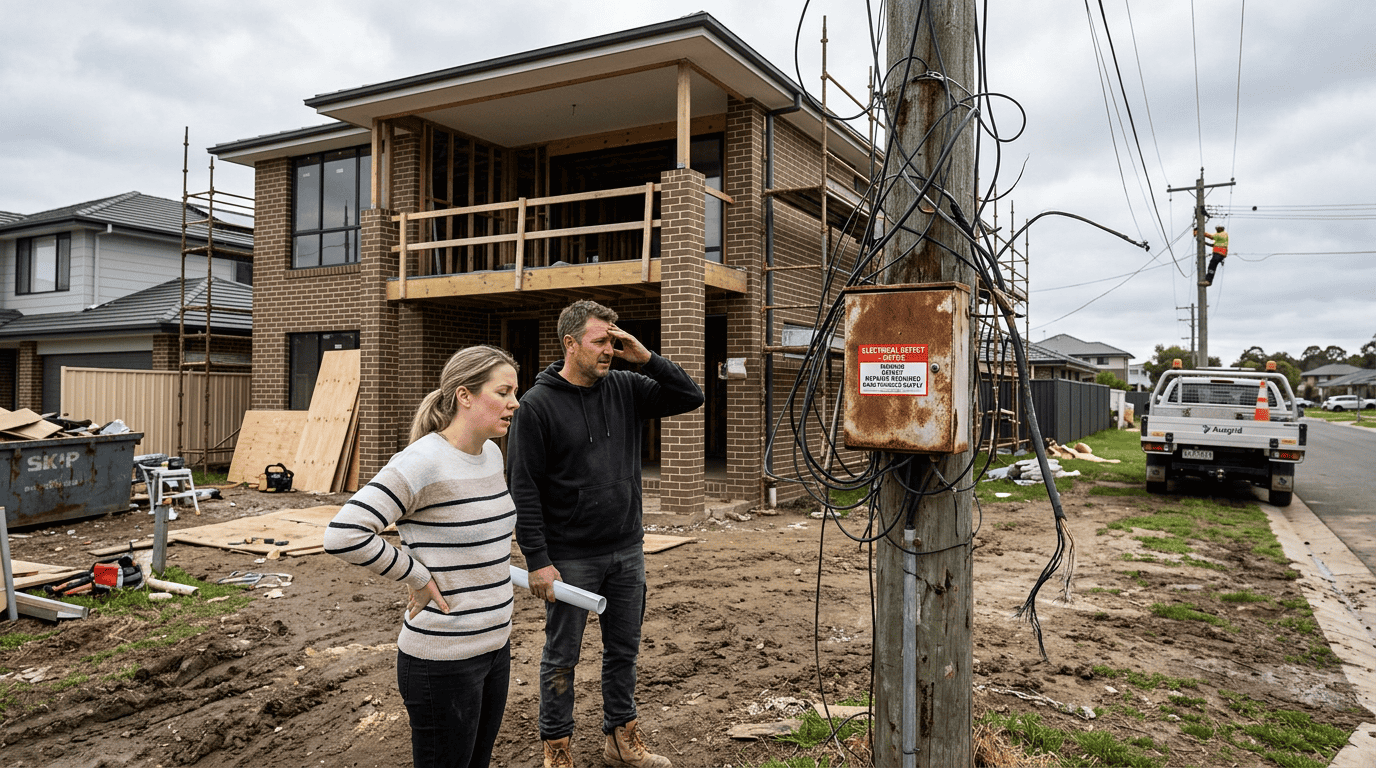
8 Frustrating Delays Homeowners Face Without an Accredited Level 2 Provider
When electrical work involves the connection between a property and the electricity network, choosing the right electrician is about more than finding someone who can complete the job.
Certain electrical projects require specialist knowledge, equipment, approvals and accreditation. This is particularly relevant when work involves the electrical service connection, consumer mains, private poles, underground supply, metering arrangements or other infrastructure connected to the electricity network.
This is where an Accredited Level 2 Service Provider can make a significant difference.
For homeowners, the wrong contractor can potentially lead to delays, unexpected costs, additional coordination and a project that takes much longer than anticipated. What initially appears to be a straightforward electrical upgrade can become complicated when the contractor isn’t authorised or experienced to complete the required Level 2 work.
Whether you’re building a new home, upgrading an existing property, replacing an ageing private pole or arranging an electrical connection, understanding when a Level 2 electrician is required can help you avoid unnecessary headaches.
Here are 8 frustrating delays homeowners face without an Accredited Level 2 Provider.
1. Delays Getting Your Property Connected to the Electricity Network
One of the most frustrating situations for a homeowner is having a property that is physically ready for electricity but isn’t yet properly connected to the network.
New builds, renovations and major electrical upgrades can require work beyond a standard electrician’s scope.
This may involve infrastructure connecting the property to the electricity distributor’s network, including consumer mains and other specialised electrical equipment.
Why Early Planning Matters
Electrical connection requirements should ideally be considered early in the project.
If a homeowner waits until construction is nearly complete before discovering that Level 2 work is required, the electrical connection can become a bottleneck.
Other trades may be ready to finish their work, but the property can’t operate normally until the electrical infrastructure is completed and connected.
Working with an appropriately accredited Level 2 provider early can help identify the requirements and coordinate the necessary work before they become a last-minute problem.
2. Private Pole Problems Can Bring a Project to a Standstill
Private electrical poles are an important part of the electrical infrastructure for many properties.
However, poles can deteriorate over time due to age, weather exposure, corrosion, ground conditions and other factors.
If a private pole is identified as damaged, unsafe or unsuitable, it may need to be repaired or replaced.
Replacement Isn’t Always a Standard Electrical Job
Replacing or modifying electrical infrastructure associated with a private pole can involve specialised requirements.
This is one reason homeowners shouldn’t assume that any electrician can simply turn up and replace the infrastructure.
An appropriately accredited Level 2 provider can assess the requirements and carry out work within their authorised scope.
Avoiding Unnecessary Delays
If a pole replacement is required, organising the appropriate contractor early can help prevent the project from being held up while homeowners search for someone with the necessary accreditation.
This is particularly important when the pole is associated with a new construction project, property renovation or other time-sensitive work.
3. Underground Electrical Connections Can Become Complicated
Underground electrical connections can provide a clean and practical solution for properties, but installation and upgrades require careful planning.
The work can involve trenching, consumer mains, electrical equipment, connection requirements and coordination with other infrastructure on the property.
More Than Digging a Trench
An underground electrical supply needs to be appropriately designed and installed for the property’s requirements.
Issues can arise when electrical work isn’t coordinated with landscaping, driveways, drainage or other construction activities.
For example, completing a driveway before the required electrical infrastructure has been installed can create unnecessary additional work.
Plan Electrical Infrastructure Before Construction
Getting the electrical requirements established early allows other trades to work around them.
This can reduce the likelihood of having to excavate recently completed areas or delay other stages of construction.
For homeowners planning a new build or major renovation, early Level 2 electrical planning can therefore be an important part of the overall project schedule.
4. Metering and Connection Requirements Can Cause Unexpected Delays
Electrical connections aren’t simply about getting cables to a building.
Metering arrangements and connection requirements also need to be considered.
Depending on the project, changes to the electrical installation may require coordination with the relevant electricity distributor and other parties.
Don’t Leave Connection Requirements Until the End
A homeowner may have completed the internal electrical installation only to discover that additional work is required before the property can be connected or energised.
This can be particularly frustrating because the internal electrical system may appear complete.
However, the external connection infrastructure is a separate part of the overall electrical process.
A Level 2 Provider Can Help Navigate the Process
An appropriately accredited provider understands the requirements associated with the work they are authorised to undertake and can help coordinate the relevant electrical connection work.
This can provide homeowners with greater clarity about what needs to happen before the property can be energised.
5. Electrical Defects Can Stop a Property From Progressing
Sometimes delays aren’t caused by a lack of infrastructure—they’re caused by problems with existing infrastructure.
Ageing consumer mains, damaged electrical equipment, deteriorated connections or other issues may need to be addressed before additional electrical work can proceed.
Older Properties Can Present Additional Challenges
Homes with older electrical infrastructure may require upgrades before they can safely accommodate modern electrical demand.
Today’s homes can have significantly greater electrical requirements due to:
- Air conditioning
- Pool equipment
- Home offices
- Electric vehicles
- Induction cooking
- Solar systems
- Battery storage
- High-powered appliances
If the existing electrical supply infrastructure isn’t suitable, an upgrade may be required.
Identify Problems Before They Become Urgent
An electrical assessment before major work begins can help identify potential issues early.
This provides homeowners with more time to budget, organise contractors and plan the work rather than discovering an electrical problem when the project is already underway.
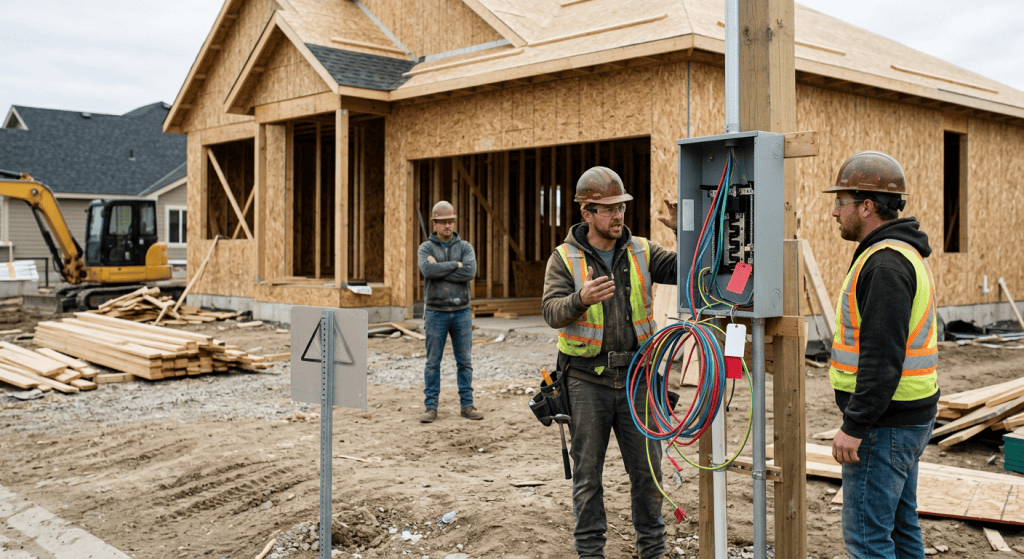
6. Solar and EV Upgrades Can Become More Complicated
The transition towards renewable energy and electric vehicles is changing the electrical requirements of modern homes.
Homeowners are increasingly installing solar systems, batteries and EV chargers.
However, adding significant electrical equipment isn’t always as simple as installing the new device.
Consider the Existing Electrical Infrastructure
Depending on the property, additional electrical infrastructure may be required to support new equipment.
For example, a homeowner installing an EV charger may need to consider:
- Existing electrical capacity
- Consumer mains
- Switchboard capacity
- Circuit protection
- Cable requirements
- Future electrical demand
Solar and battery installations can also involve electrical infrastructure that needs to be appropriately assessed.
Think About Future Demand
If you’re already considering an EV, solar battery or other major electrical upgrade, it can be worthwhile assessing the property’s electrical infrastructure before starting the project.
This can help prevent installing a solution today that creates limitations tomorrow.
7. Waiting for the Right Contractor Can Push Back Your Construction Schedule
A common mistake homeowners make is assuming they can organise a specialist electrician at the last minute.
In reality, experienced electrical contractors can have busy schedules, particularly for larger or more complex projects.
The Right Accreditation Matters
If your project requires Level 2 electrical work, finding a contractor who is appropriately accredited should be part of your planning process.
Trying to use a standard electrician for work outside their authorised scope can create delays if another contractor ultimately needs to be brought in.
This can mean:
- Rebooking trades
- Delaying construction
- Repeating site visits
- Additional contractor costs
- More complicated project coordination
Book Early
If you’re building or renovating, discuss the electrical requirements with your contractor early.
This allows the electrical work to be scheduled alongside other trades rather than becoming an unexpected obstacle later in the project.
8. Failed Inspections or Incorrect Work Can Mean Doing the Job Twice
Perhaps one of the most frustrating outcomes is discovering that electrical infrastructure doesn’t meet the requirements necessary for the project to proceed.
Incorrectly completed work can potentially need to be modified or rectified.
Why Experience Matters
Level 2 electrical work involves specialised requirements, and the consequences of getting the installation wrong can extend beyond the immediate electrical problem.
Rectification may involve additional labour, materials and coordination.
It can also delay other trades that are waiting for the electrical work to be completed.
Getting It Right the First Time
Using an appropriately accredited and experienced provider can help reduce the risk associated with having unsuitable contractors perform work outside their scope.
The objective isn’t simply to complete the electrical work quickly.
It’s to ensure the installation is completed appropriately, tested and ready for the next stage of the project.
When Does a Homeowner Need a Level 2 Electrician?
Not every electrical job requires a Level 2 provider.
Replacing a light fitting, installing a standard power point or carrying out many common household electrical repairs generally falls within standard electrical work.
Level 2 providers are typically involved when electrical work extends to infrastructure associated with the electricity network.
Depending on the circumstances, this can include work involving:
- Consumer mains
- Service lines
- Private poles
- Underground electrical supplies
- Network connections
- Metering-related infrastructure
- Electrical disconnections and reconnections
The exact requirements depend on the project, property and relevant electricity distributor.
If you’re unsure whether your project requires a Level 2 provider, it’s better to ask an appropriately qualified electrical contractor before work begins.
The Benefits of Planning Level 2 Electrical Work Early
Getting the right contractor involved early can provide several practical benefits.
Better Project Coordination
Electrical work can be scheduled alongside construction, excavation, landscaping and other trades.
Fewer Surprises
Potential infrastructure issues can be identified before they disrupt the project.
Better Budgeting
Homeowners can account for specialist electrical work in their project budget from the beginning.
Improved Future Planning
Electrical infrastructure can be considered alongside future requirements such as EV charging, solar and battery storage.
Reduced Risk of Delays
Using an appropriately accredited provider reduces the risk of discovering late in the project that specialist electrical work still needs to be completed.
How Spectra Electrical Can Help
At Spectra Electrical, we understand that electrical infrastructure can have a major impact on the progress of a construction, renovation or property upgrade.
With more than 20 years of experience servicing Sydney, Spectra Electrical provides a broad range of electrical services, including Level 2 electrical services for projects requiring specialist network-related electrical work.
Our team can assist with projects involving areas such as:
- Level 2 electrical services
- Private pole work
- Consumer mains
- Underground electrical supplies
- Electrical connections
- Switchboard upgrades
- EV charger installations
- Solar-related electrical infrastructure
- Commercial electrical services
- Preventative electrical maintenance
For homeowners, builders and property developers, getting the electrical requirements assessed early can help create a clearer project pathway.
Rather than discovering late in the construction process that specialist electrical infrastructure is required, early involvement allows the appropriate work to be planned and coordinated from the outset.
Final Thoughts
Electrical delays can be particularly frustrating because they often have a knock-on effect across an entire construction or renovation project.
A delayed electrical connection can hold up other trades. An ageing private pole can require unexpected replacement work. An unsuitable consumer mains installation can prevent additional electrical upgrades. Poor planning can turn what should have been a straightforward connection into a much more complicated process.
For homeowners, the solution is often straightforward: identify specialist electrical requirements early and use the right provider for the job.
If your project involves private poles, consumer mains, underground electrical supplies, network connections or other specialised electrical infrastructure, an Accredited Level 2 Provider can help ensure the work is approached appropriately from the beginning.
Planning early can reduce unnecessary delays, improve coordination and provide greater confidence that your property’s electrical infrastructure is ready for both today’s requirements and tomorrow’s technology.
For homeowners across Sydney, Spectra Electrical can assist with Level 2 electrical services and a wide range of electrical infrastructure requirements, helping you keep your project moving while creating a safe, reliable and future-ready electrical system.