
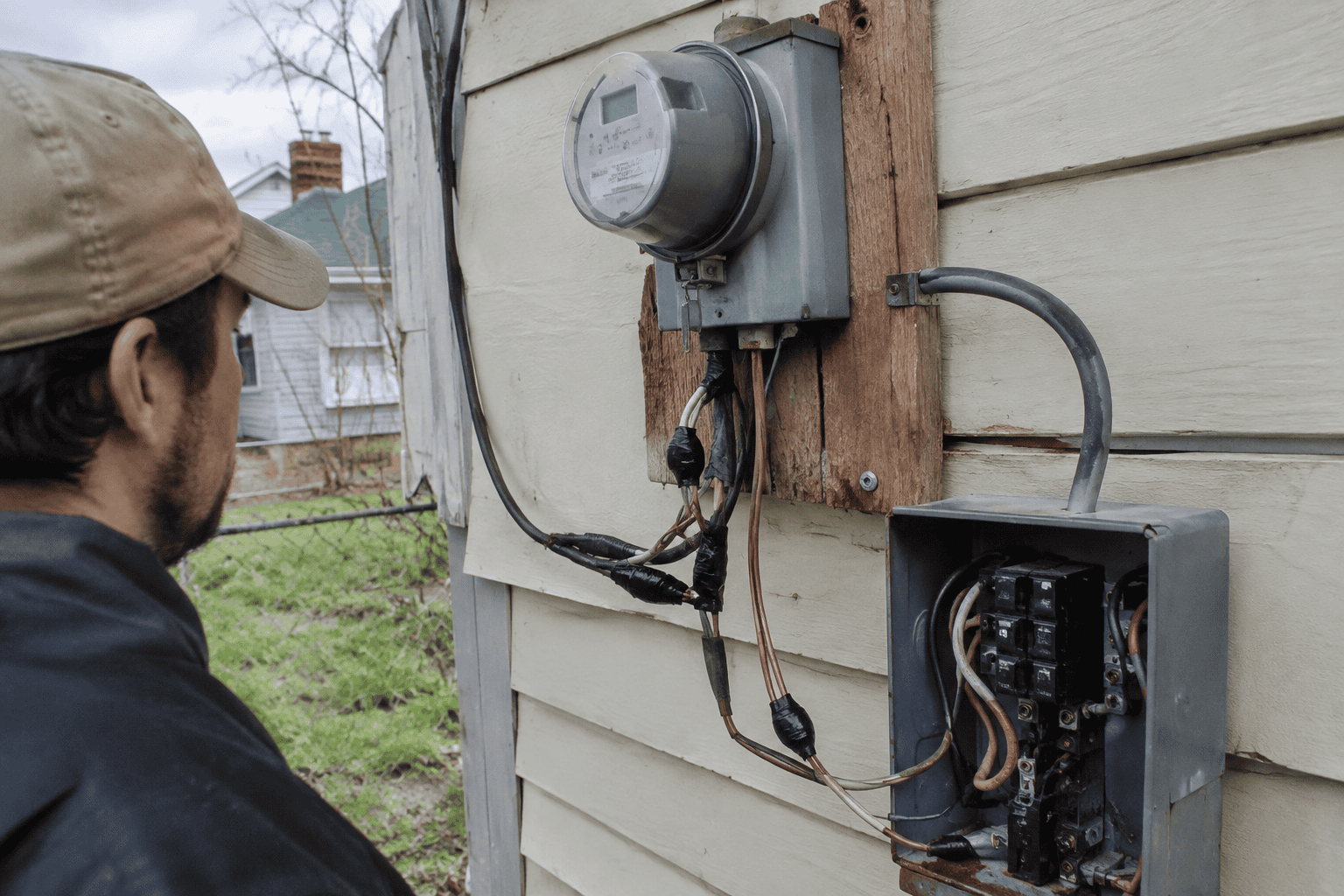
6 Hidden Risks of DIY Meter Box Relocation
Relocating a meter box might seem like a straightforward home improvement project, especially when renovating, extending a property or creating more usable space around the existing electrical installation. However, moving a meter box involves far more than removing an enclosure and attaching it somewhere else.
Your meter box houses equipment associated with measuring and distributing electricity to your property. Depending on the installation, the work may also affect the switchboard, consumer mains, service connections and electricity metering equipment.
Getting these details wrong can create serious safety hazards, unexpected expenses and delays to your renovation.
In New South Wales, electrical wiring work must be performed by, or under the supervision of, a licensed electrician. Altering the connection between a property and the electricity network may also require an appropriately accredited Level 2 Accredited Service Provider (ASP). You can find further details in the NSW Government’s electrical work guidance and ASP Scheme information.
Understanding the risks before starting work can help homeowners avoid costly mistakes and ensure the relocation is planned correctly.
Here are 6 hidden risks of DIY meter box relocation that every homeowner should understand.
1. Serious Electric Shock and Electrocution Risks
The most dangerous risk of moving a meter box yourself is exposure to live electrical components.
A meter box can contain incoming electrical supply conductors and equipment that may remain energised even when individual household circuits have been switched off.
Simply turning off the main switch does not necessarily make every component inside the enclosure safe to touch.
Why the Risk Is So Serious
Working around an electrical supply connection without the appropriate training, isolation procedures and equipment can result in electric shock, severe burns or electrocution.
The danger increases when someone attempts to disconnect cables, remove metering equipment or alter the installation without understanding which components remain live.
Even an apparently straightforward relocation can involve several parts of the electrical system that need to be managed correctly.
The Safer Approach
Never attempt to remove or relocate a meter box containing electrical equipment yourself.
A licensed electrician can assess the installation and identify the electrical work required. Where the service connection or network-related equipment must be changed, an appropriately accredited and authorised Level 2 ASP may also be required.
Professional isolation and disconnection arrangements must be established before work proceeds.
2. Damage to Electrical Cables and Service Connections
A meter box does not operate independently from the rest of the property’s electrical infrastructure.
It connects with cabling and equipment that supply electricity to the premises. Moving the enclosure without understanding these connections can create problems that are difficult or expensive to correct.
Why Cable Positioning Matters
The existing installation may have cables routed through walls, underground conduits or other parts of the property.
Moving the box could require changes to the cable routes, consumer mains or connection arrangements. If these requirements are not identified during planning, the relocation may become significantly more complicated than expected.
Potential consequences include damaged cables, unsuitable connections, additional electrical work and interruptions to the property’s electricity supply.
There may also be requirements relating to the electricity distributor’s equipment and technical specifications.
Plan the Relocation Before Construction Begins
Before changing the meter box location, have the proposed position and existing electrical infrastructure professionally assessed.
This is particularly important during renovations, extensions and façade improvements, where the new location may affect cable access, building materials or other services.
Early assessment helps identify whether the proposed location is practical and what work is needed to achieve it safely.
3. Non-Compliant Installation and Costly Rectification
One of the most frustrating consequences of DIY meter box relocation is discovering that the finished installation does not meet the applicable requirements.
Electrical installations must comply with relevant legislation, technical standards and other requirements that apply to the specific work.
Simply attaching an enclosure securely to a wall does not mean the complete installation is safe or compliant.
What Can Go Wrong?
A poorly planned relocation may overlook important considerations such as:
- The suitability of the proposed enclosure and location
- Safe access to electrical equipment
- Cable protection and routing
- Weather exposure
- Clearances and other installation requirements
- Compatibility with the existing electrical system
- Required inspections and documentation
The actual requirements depend on the property’s installation and the nature of the work.
Why Fixing Mistakes Can Cost More
If the relocation is completed incorrectly, a qualified contractor may need to undo or replace parts of the work before the installation can be accepted or reconnected.
This can mean paying for the same job twice, purchasing additional materials and potentially delaying the wider renovation.
In NSW, electricians must provide a Certificate of Compliance for Electrical Work (CCEW) for applicable electrical wiring work. Further information is available through the NSW Government’s electrical compliance requirements.
Engaging the right professionals from the outset helps avoid unnecessary rectification and ensures the required compliance processes are addressed.
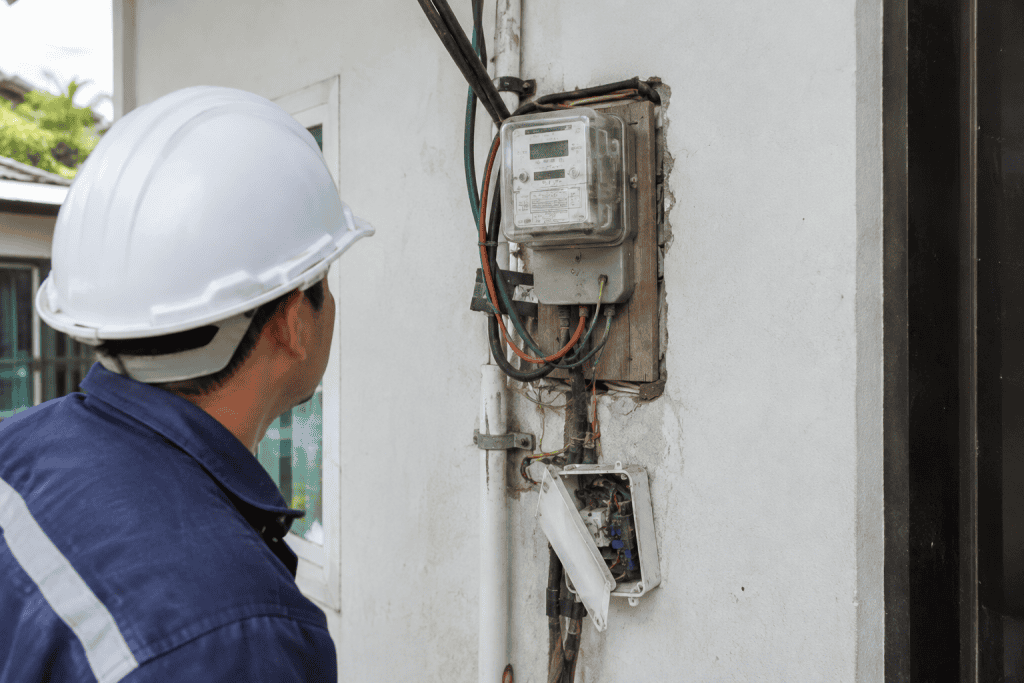
4. Problems With Electricity Metering and Reconnection
Another hidden complication is that moving a meter box can involve more than the electrical enclosure itself.
Electricity meters and associated metering equipment are subject to specific arrangements involving the electricity retailer, metering provider and other relevant parties.
Depending on the existing installation, a relocation may require metering work, supply disconnection, reconnection or coordination with the electricity distributor.
Why You Cannot Assume the Meter Can Simply Be Moved
The equipment installed at a property may have particular requirements governing its removal, replacement or relocation.
For example, Ausgrid’s published ASP guidelines include restrictions on relocating certain existing metering installations. The permitted approach depends on the meter type and the applicable network requirements.
This means a proposed relocation should not proceed on the assumption that the existing meter can automatically be reused in the new position.
Coordinate the Required Services
Before work begins, confirm which parties need to be involved and what approvals or appointments are necessary.
An appropriately qualified contractor can help establish the required process and coordinate the relevant work with the electricity distributor or metering provider.
Failing to organise these arrangements early can result in delays, additional appointments and an extended loss of electricity supply.
5. Increased Fire Risk From Poor Electrical Connections
Electrical connections need to be installed correctly to support safe and reliable operation.
When connections are loose, damaged or unsuitable, electrical resistance can increase and generate excessive heat. Under certain conditions, this can contribute to electrical arcing, component damage and fire.
Why Relocation Work Can Create This Risk
Moving a meter box may require changes to cables, terminations or associated electrical equipment.
If the work is carried out incorrectly, the installation may develop problems that are not immediately obvious.
An electrical connection might appear functional at first, yet deteriorate over time or develop excessive heat when carrying a load.
This is one reason why an installation cannot be judged safe simply because the electricity has been restored and the lights turn on.
Avoid Improvised Repairs
Never attempt to reconnect electrical conductors, modify service equipment or repair damaged connections yourself.
Electrical work must be completed by appropriately qualified professionals using the correct installation procedures and equipment.
Required testing and inspection can help identify problems before the installation is returned to service.
6. Renovation Delays, Unexpected Expenses and Potential Liability
Meter box relocation is often part of a larger renovation or construction project.
Homeowners may want to move the enclosure to improve the appearance of a façade, make room for an extension, alter a driveway or accommodate new landscaping.
When electrical work is not planned correctly, the consequences can extend well beyond the meter box itself.
How a DIY Shortcut Can Derail a Project
An unapproved or incomplete relocation may prevent other trades from progressing.
For example, brickwork or rendering may need to be delayed while the new location is assessed. A builder may be unable to finish an external wall, or a planned electrical connection may require additional work before power can be restored.
Unexpected costs can include:
- Additional labour and materials
- Replacement electrical equipment
- Further inspections and testing
- Contractor call-outs
- Metering and reconnection arrangements
- Delays to other renovation work
There may also be compliance, insurance or liability implications if unlicensed electrical work results in damage or injury. The exact consequences depend on the circumstances, applicable laws and the relevant insurance policy.
Make the Relocation Part of the Original Plan
The most effective way to avoid these problems is to involve the appropriate electrical professionals before construction begins.
Confirm the intended location, required approvals, likely scope of work and coordination requirements before booking other trades.
This gives you a clearer picture of the costs and reduces the risk of discovering an expensive problem after the renovation is underway.
When Should You Relocate a Meter Box?
Meter box relocation can be appropriate when existing equipment interferes with a renovation, extension, driveway, new entrance or other property improvement.
However, the proposed location needs to be assessed for suitability, accessibility, installation requirements and compatibility with the electrical supply.
It is also worth considering whether the project provides an opportunity to address other ageing electrical infrastructure.
For example, a renovation may involve reviewing the switchboard, existing consumer mains or the property’s capacity for future electrical equipment.
These improvements should be assessed on their merits rather than assuming that moving the meter box automatically requires a complete electrical upgrade.
Why Professional Planning Matters
The safest and most efficient meter box relocation begins with understanding the work before construction starts.
In NSW, the specific contractor requirements depend on whether the proposed work involves electrical wiring within the installation, the connection to the electricity network, metering or other specialist tasks.
A licensed electrician and, where required, an appropriately accredited Level 2 ASP can help determine what work falls within their respective scopes.
The relevant electricity distributor and metering provider may also need to be involved.
This coordinated approach helps ensure that the proposed relocation is technically suitable, appropriately authorised and properly documented.
Speak to Spectra Electrical About Meter Box Relocation
Spectra Electrical can assist homeowners, builders and property managers with electrical upgrades and service connection requirements.
If you’re planning a renovation, extending your home or need to relocate an existing meter box, getting professional advice early can help establish the appropriate scope of work and identify any additional requirements before construction progresses.
Depending on the project, the work may involve electrical assessments, switchboard improvements or coordination with an appropriately accredited Level 2 ASP for changes to the service connection.
Contact Spectra Electrical to discuss your proposed meter box relocation and arrange an assessment before starting work. Planning the relocation properly can help prevent unnecessary costs, avoidable delays and electrical safety risks.
Conclusion
Moving a meter box might appear to be a small part of a renovation, but it can involve critical electrical infrastructure, metering arrangements and requirements associated with connecting your property to the electricity network.
DIY relocation can expose homeowners to serious electric shock hazards, damaged cables, non-compliant installations, metering complications, fire risks and unexpected project costs.
The risks are not limited to the installation day. Poor electrical work can also create problems after the renovation appears complete.
The smartest approach is to organise a professional assessment before moving anything, establish the approvals and contractor requirements, and coordinate the work with the relevant parties.
A properly planned meter box relocation protects your property, supports electrical safety and helps keep your renovation moving without preventable complications.
