

12 Essential Steps to Protect Your Home From Summer Power Surges
Summer in Australia brings plenty of sunshine, warmer temperatures and longer days, but it also brings an increased risk of thunderstorms, lightning strikes and sudden electrical disruptions. While many homeowners prepare their properties for heavy rain and strong winds, one important risk is often overlooked: power surges.
A power surge is a sudden increase in electrical voltage that can travel through your home’s electrical system and damage connected appliances, electronics and sensitive equipment. Even a brief voltage spike can affect televisions, computers, refrigerators, air conditioning systems, gaming consoles and smart home technology.
With modern households relying on more electrical devices than ever, protecting your home’s electrical infrastructure is becoming increasingly important.
The good news is that there are practical steps you can take to reduce the risk of electrical damage during summer storms. From installing professional surge protection to checking your switchboard and preparing appliances before severe weather arrives, a proactive approach can make a significant difference.
Here are 12 essential steps to protect your home from summer power surges and keep your electrical systems better prepared for storm season.
1. Install Whole-Home Surge Protection
One of the most effective ways to improve your home’s protection against power surges is to have a whole-home surge protection device installed.
Unlike a standard power board, which only protects equipment connected to its outlets, a whole-home surge protective device (SPD) is installed within your electrical switchboard. It is designed to help limit transient overvoltages entering your electrical installation.
How whole-home surge protection works
When a voltage spike occurs, a properly selected and installed surge protection device helps divert or limit the excess electrical energy, reducing the amount that reaches connected equipment.
This can provide protection across multiple circuits, depending on the device and installation arrangement.
Why professional installation matters
A licensed electrician can assess your switchboard and determine which type of surge protection is appropriate for your property.
The correct device, installation method and coordination with other protective equipment are important considerations. Whole-home surge protection can significantly improve protection, although it cannot guarantee that every appliance will remain unaffected by every electrical event.
2. Protect Sensitive Electronics and Appliances
Modern homes contain an increasing number of sensitive electronic devices. Computers, televisions, gaming consoles, routers and smart home systems can all be vulnerable to electrical disturbances.
Replacing these devices can be expensive, particularly when multiple appliances are affected by the same electrical event.
Identify your most valuable equipment
Start by identifying the electronics and appliances you would least want damaged. Consider:
- Desktop computers and laptops.
- Televisions and home entertainment systems.
- Gaming consoles and accessories.
- Internet modems and Wi-Fi routers.
- Smart home hubs and security equipment.
- Home office electronics and networking equipment.
Consider using appropriately rated surge-protected power boards for suitable plug-in equipment. Check their specifications and replace them if damaged or if their protection status indicates they have reached the end of their service life.
3. Check Your Electrical Switchboard
Your switchboard is the central point where electricity is distributed throughout your property. It also houses important protective devices designed to help manage electrical faults and overloads.
An outdated or poorly maintained switchboard may not provide the level of protection required for a modern household.
Warning signs to look for
Homeowners should be aware of signs such as:
- Frequently tripping circuit breakers.
- Flickering or inconsistent lighting.
- Unusual buzzing or crackling sounds.
- Burning smells near the switchboard.
- Visible discolouration or damage.
- An older fuse-based electrical installation.
These symptoms do not necessarily indicate a power surge problem, but they can point to electrical issues that require investigation.
Consider a professional switchboard assessment
A licensed electrician can inspect your switchboard, assess its condition and determine whether upgrades or additional protection are appropriate.
This is also an opportunity to discuss installing a suitable surge protection device if one is not already present.
Never remove switchboard covers or attempt electrical repairs yourself.
4. Unplug Sensitive Appliances Before Severe Storms
One of the simplest ways to reduce the risk of electrical damage during an approaching thunderstorm is to disconnect sensitive appliances from power points before the storm arrives.
Even with surge protection installed, unplugging selected equipment provides an additional layer of protection.
Which appliances should you disconnect?
Consider unplugging non-essential electronics such as televisions, computers, gaming consoles, chargers and entertainment equipment.
Pay particular attention to devices connected through external antennas, telephone lines or data cables, as electrical disturbances can potentially enter through more than just the mains power supply.
Prepare before the storm arrives
Do not wait until lightning is directly overhead to begin disconnecting equipment. Prepare when severe weather is approaching and do so only if it is safe.
Avoid touching plugs or electrical equipment if your hands are wet, you are standing in water or there is any indication of electrical damage.
5. Understand the Difference Between Safety Switches and Surge Protection
A common misconception is that having safety switches installed means your home is automatically protected against power surges.
While both devices are important for electrical safety, they perform different functions.
What does a safety switch do?
A safety switch, also known as a Residual Current Device (RCD), monitors electrical current and disconnects the supply when it detects current leaking from a circuit.
Its primary purpose is to reduce the risk of serious electric shock.
What does surge protection do?
A surge protection device is designed to limit transient voltage spikes that could otherwise damage electrical equipment.
It is not a replacement for a safety switch or circuit breaker.
Why your home needs appropriate protection
Having the correct combination of electrical protective devices is important for maintaining a safer installation.
A licensed electrician can assess your switchboard and explain whether your existing protection is suitable for your home’s electrical requirements.
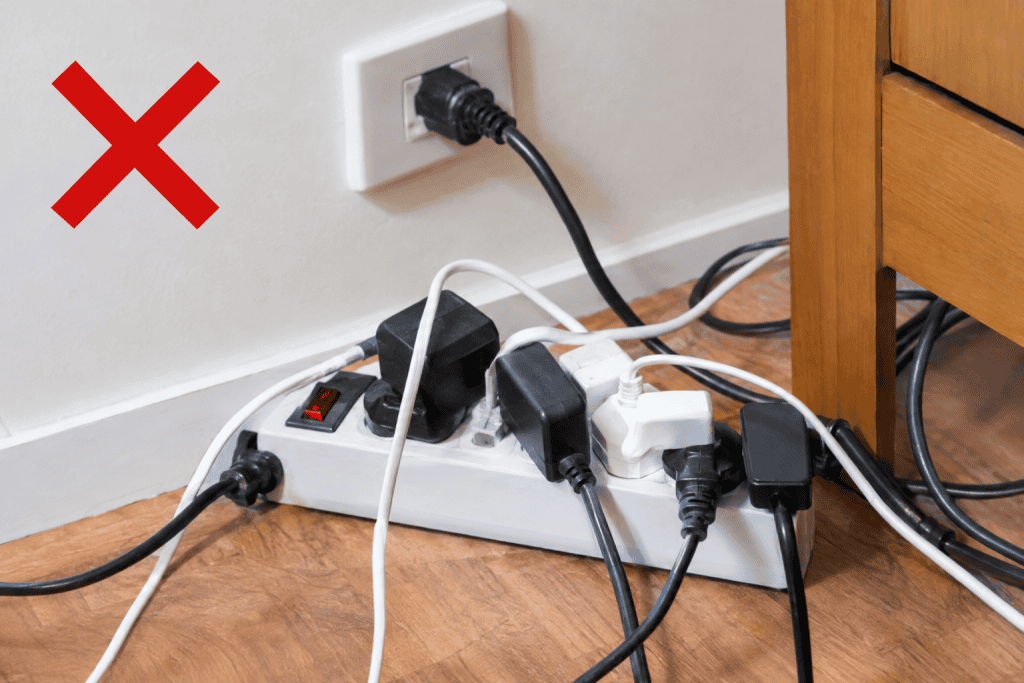
6. Avoid Overloading Power Boards and Electrical Outlets
During summer, households often use more electrical equipment, including fans, air conditioners, refrigerators and entertainment devices.
Connecting too many appliances to one outlet or power board can create an overloaded circuit and increase the risk of overheating.
Why overloading is dangerous
Power boards have specific electrical ratings that should never be exceeded. Connecting multiple high-demand appliances through one board or using extension leads incorrectly can create hazardous conditions.
Overloading is not the same as a power surge, but both are electrical risks worth addressing before summer.
Use electrical equipment responsibly
Avoid connecting multiple power boards together, check equipment ratings and distribute electrical loads appropriately.
If your household regularly runs out of available power points, speak with a licensed electrician about installing additional outlets or assessing whether your electrical circuits need attention.
7. Inspect Outdoor Electrical Equipment
Summer storms can expose outdoor electrical equipment to heavy rain, moisture, lightning-related disturbances and physical damage.
Outdoor lighting, pool pumps, garden equipment, external power points and electrical connections should all be considered when preparing your property for storm season.
Check for visible damage
Look for cracked outdoor power point covers, damaged extension leads, loose fittings and signs of water entering electrical enclosures.
Pay particular attention to equipment that is exposed to the elements or located around pools and garden areas.
Keep outdoor equipment protected
Ensure outdoor electrical equipment is suitable for its environment and installed with appropriate weather protection.
Never use damaged electrical leads or equipment, and avoid handling outdoor electrical fittings during wet weather.
If you identify damage, arrange an inspection by a licensed electrician before using the equipment again.
8. Arrange Regular Electrical Inspections
Many electrical problems develop gradually and may not become obvious until a serious fault occurs.
Regular electrical inspections can help identify deteriorating components, damaged wiring, loose connections and other issues that may affect the safety and reliability of your electrical installation.
Why inspections are important before summer
An electrical inspection before storm season gives homeowners an opportunity to address potential problems before periods of increased storm activity.
An electrician can assess the switchboard, protective devices, visible wiring and other relevant parts of the installation.
Depending on the property, they may also recommend thermal imaging to help identify abnormal heat patterns that could indicate developing electrical faults.
Don’t wait for a problem
If your home has an older electrical installation or you have noticed recurring electrical issues, consider arranging an assessment before summer weather becomes more unpredictable.
9. Check Your Air Conditioning and High-Demand Appliances
Air conditioning systems work harder during periods of extreme summer heat. Refrigerators, pool pumps and other electrical equipment may also operate for longer periods.
Although increased electricity demand does not automatically cause power surges, it can place additional demands on your home’s electrical installation.
Check your electrical capacity
If your home has recently added major appliances, consider whether the existing switchboard and electrical circuits are suitable for the additional demand.
Warning signs such as frequently tripping breakers, unusual noises or flickering lights should be investigated.
Arrange servicing and electrical assessments
Have air conditioning and other major electrical equipment maintained according to manufacturer recommendations.
Where necessary, a licensed electrician can assess circuit capacity, connections and protective devices to help ensure the installation is suitable for the equipment being used.
10. Protect Your Solar Power and Battery Systems
Solar panels and home battery systems are becoming increasingly common across Australian households.
While these systems can provide significant benefits, they introduce additional electrical equipment that should be considered when assessing your property’s protection against electrical disturbances.
Why solar systems need attention
Solar inverters, battery systems and their associated electrical components can be affected by electrical faults, severe weather and voltage disturbances.
The protection requirements will depend on the system design, equipment specifications and existing electrical installation.
Have your system professionally assessed
If your property has solar panels or a home battery, ask a qualified professional whether the existing surge protection arrangements are suitable.
Do not attempt to isolate, repair or reconnect damaged solar or battery equipment yourself.
If severe weather has damaged your roof or solar installation, keep clear and arrange an inspection by an appropriately qualified professional before the system is used again.
11. Prepare an Electrical Emergency Plan
Even with appropriate protection installed, summer storms can still cause power outages and electrical disruptions.
Having a basic emergency plan can help your household respond safely if electricity is interrupted.
Prepare essential supplies
Keep the following items accessible:
- Fully charged torches and spare batteries.
- A charged mobile phone and portable power bank.
- A battery-powered radio.
- Important emergency contact numbers.
- Essential supplies for household members who rely on electrical equipment.
It is also useful to understand where your main switchboard is located and how to safely switch off the electricity supply if required.
Know when to stay away
If your property experiences flooding, damaged wiring, fallen powerlines or electrical equipment exposed to water, keep clear.
Never touch electrical equipment while standing in water or attempt to investigate damaged infrastructure.
If there is immediate danger, contact emergency services on 000.
12. Schedule Professional Surge Protection Before Summer
One of the best ways to prepare your property for summer is to address electrical protection before severe weather becomes a regular occurrence.
Waiting until after a lightning strike or electrical incident can mean dealing with damaged equipment, unexpected repair costs and disruption to your household.
Take a proactive approach
A professional electrical assessment can help identify opportunities to improve your home’s protection.
Depending on your property’s requirements, recommendations may include:
- Installing a whole-home surge protection device.
- Upgrading an outdated switchboard.
- Reviewing existing safety switches and circuit breakers.
- Assessing electrical connections and wiring.
- Reviewing protection for solar and battery systems.
- Installing additional power points where required.
Make electrical protection part of your summer preparation
Rather than treating surge protection as an optional extra, consider it as part of your broader approach to maintaining your home’s electrical infrastructure.
Taking action early can help reduce the potential impact of electrical disturbances and give you greater confidence heading into storm season.
Speak to Spectra Electrical About Surge Protection
Summer power surges can cause unexpected damage to household electronics, appliances and electrical equipment. Taking preventative action before storm season is an important step towards protecting your property.
Spectra Electrical & Communications provides electrical services across Sydney, including surge protection, switchboard upgrades and electrical maintenance.
If you’re looking to improve your home’s electrical protection before summer, contact Spectra Electrical on 1300 665 587 or visit spectraelectrical.com.au to discuss your requirements.
Conclusion
Summer storms and electrical disturbances can create risks for modern households, particularly when homes rely on numerous electronic devices and appliances.
From installing whole-home surge protection and checking your switchboard to disconnecting sensitive electronics and arranging professional inspections, there are several practical steps you can take to improve your home’s electrical preparedness.
Remember that surge protection, safety switches and circuit breakers perform different functions, and no single device can guarantee protection against every electrical event.
The most effective approach is to combine suitable electrical protection with regular maintenance and sensible storm preparation.
By taking these 12 steps before summer arrives, you can help reduce the risk of costly electrical damage and keep your home better prepared for the months ahead.
